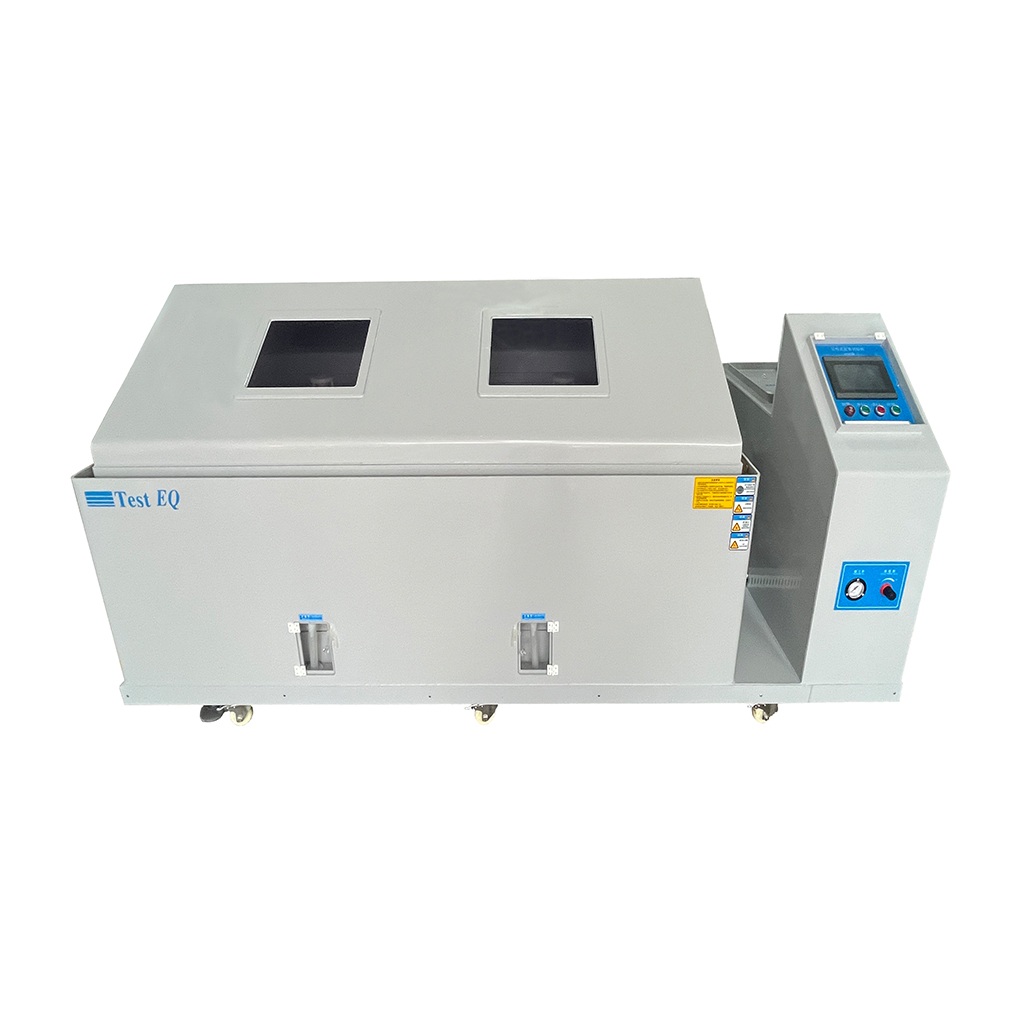
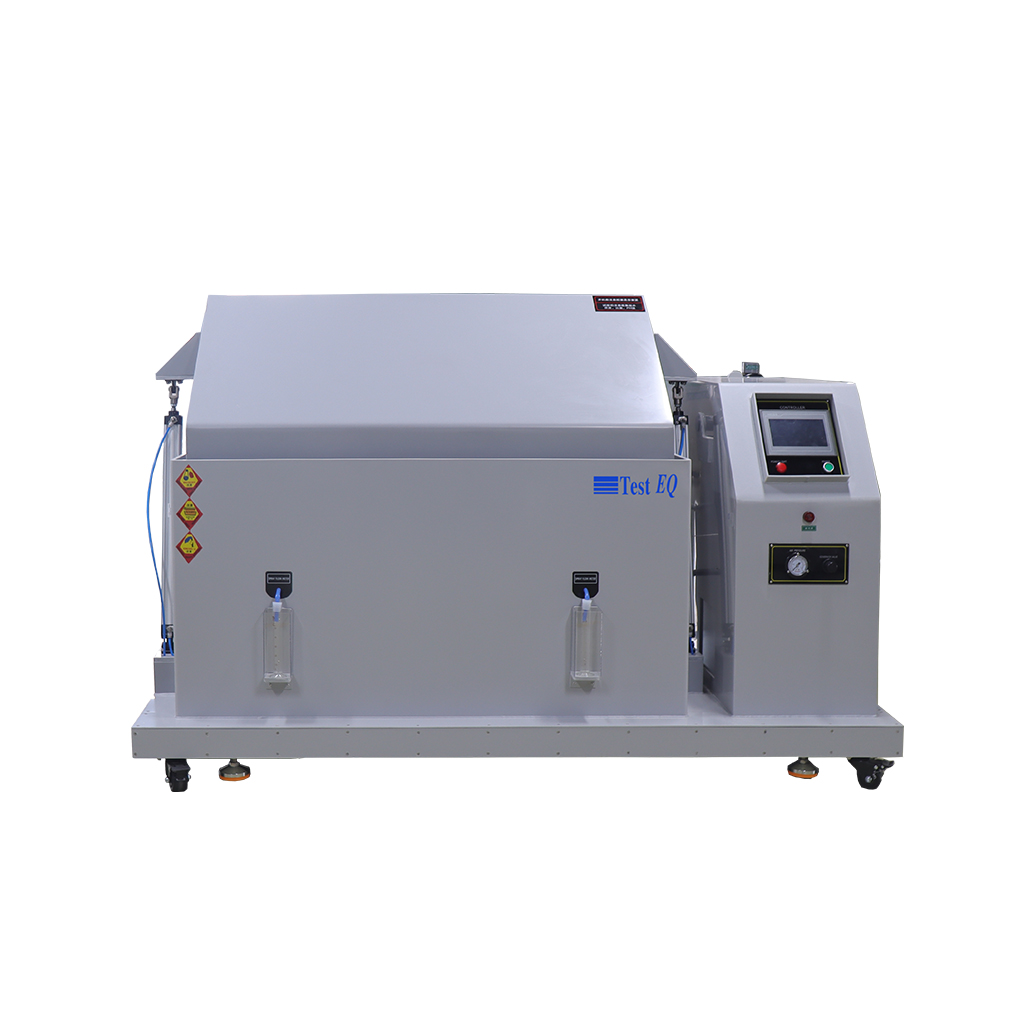
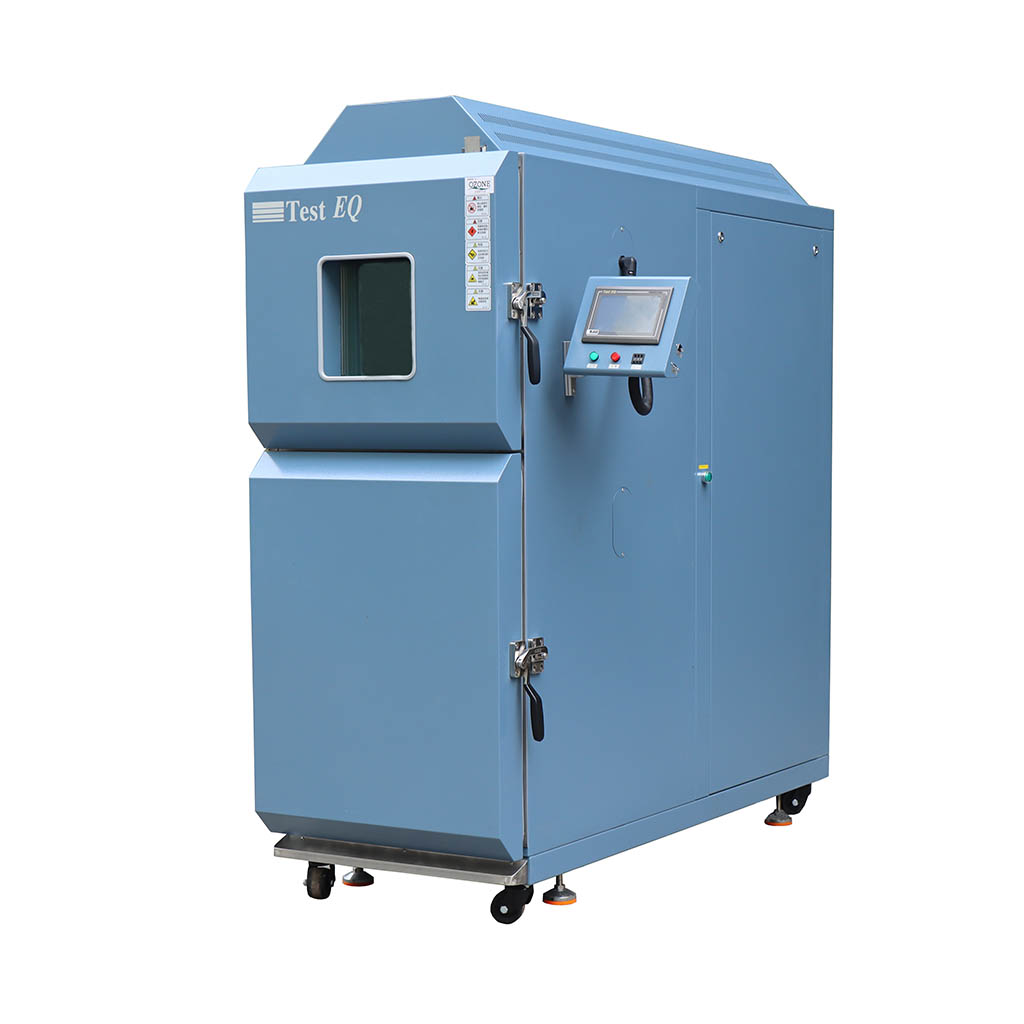
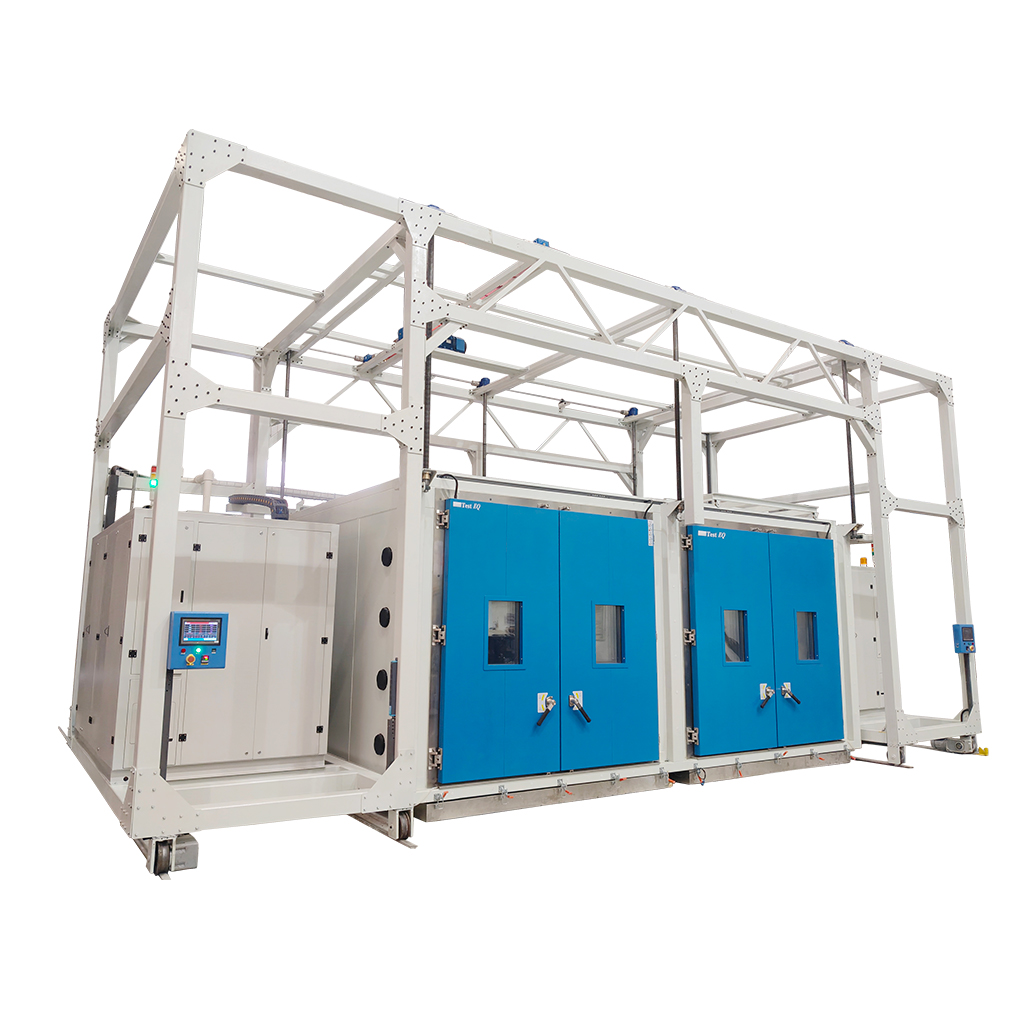
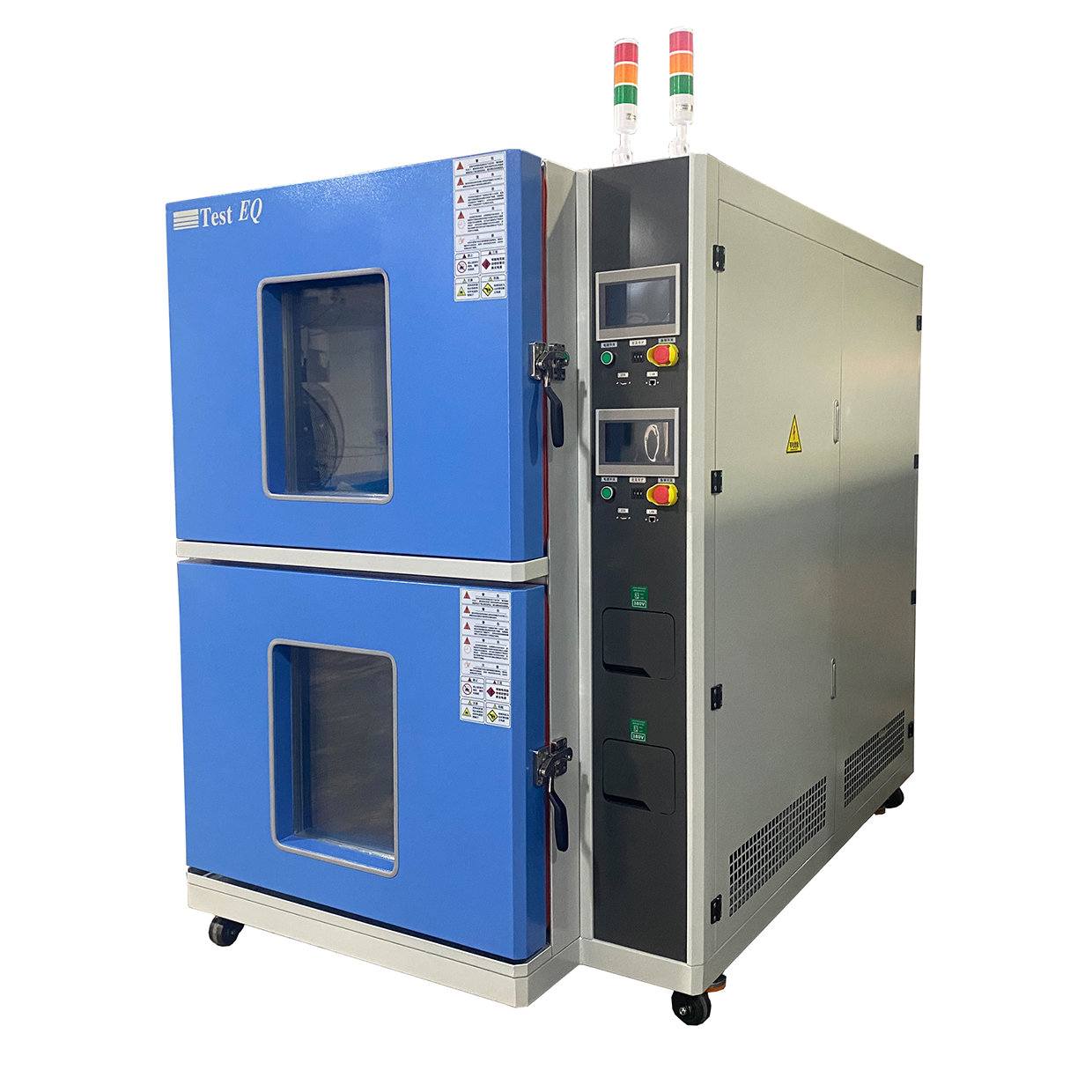
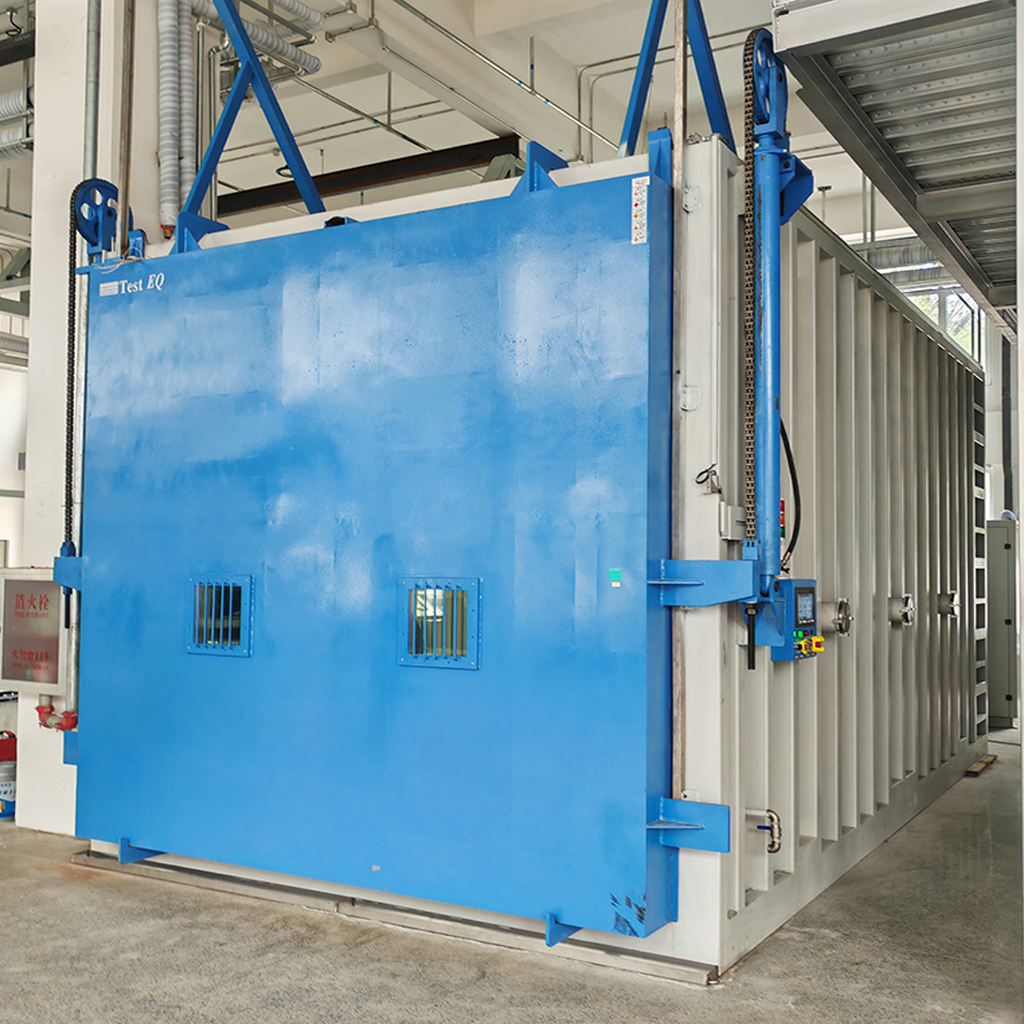
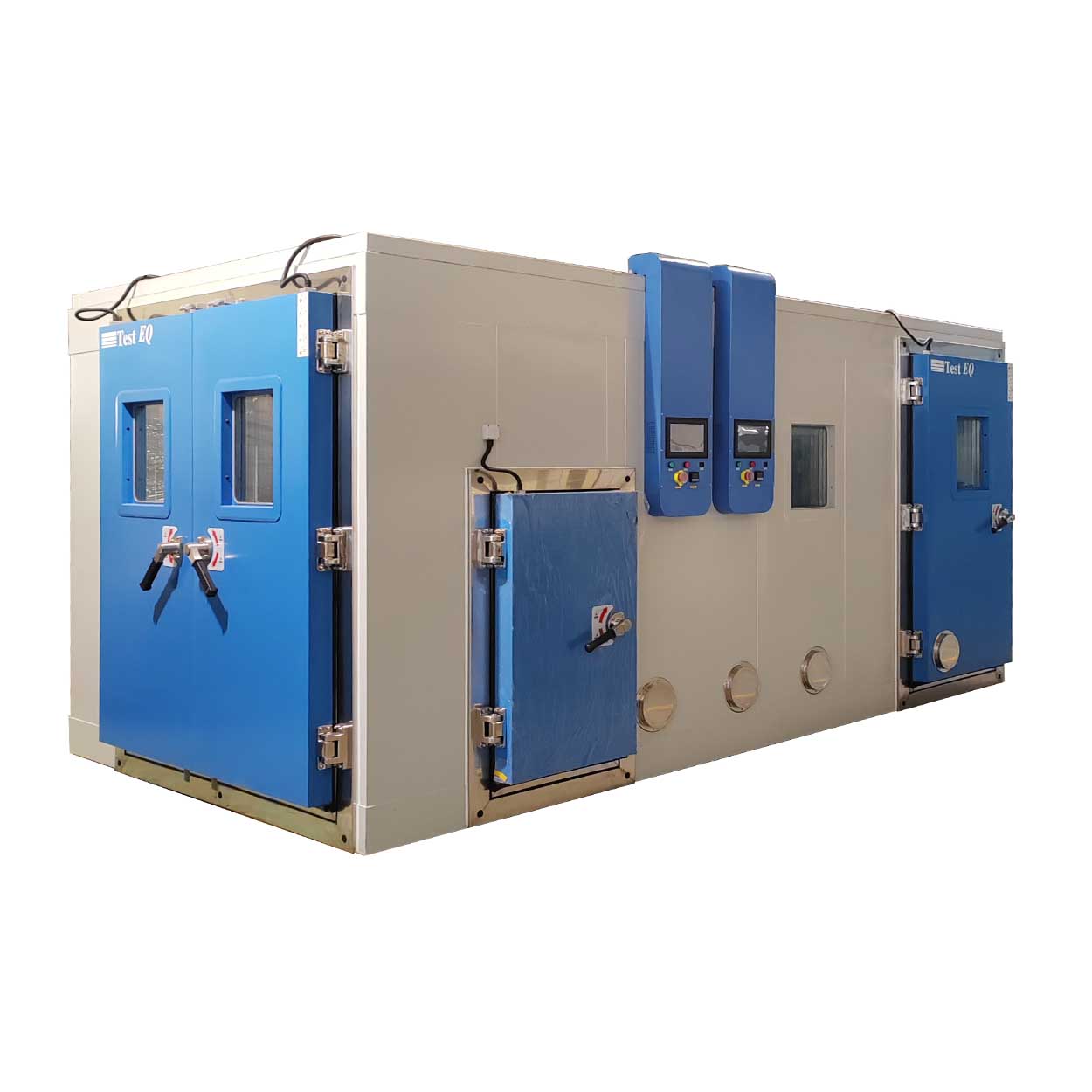
What Is a Cyclic Salt Spray Chamber?
The Cyclic Salt Spray Chamber (also known as a Cyclic Corrosion Test Chamber, CCT Chamber) is designed to simulate real-world corrosive environments through programmable environmental cycles, including salt spray, humidity, drying, and temperature variation.
Unlike traditional salt spray testing, cyclic corrosion testing replicates actual outdoor exposure conditions, enabling more accurate evaluation of material durability and coating performance.
This makes it an essential solution for industries requiring long-term corrosion resistance validation, such as automotive, aerospace, coatings, and metal finishing.
Working Principle:
The cyclic salt spray chamber operates by automatically switching between different environmental conditions:
Salt spray (corrosive fog exposure)
High humidity (condensation phase)
Drying phase (hot air or ambient)
Optional temperature variation
These cycles are repeated continuously to simulate natural weathering conditions, providing a more realistic corrosion mechanism compared to constant salt spray exposure.
Cyclic Salt Spray vs Traditional Salt Spray
Traditional salt spray testing provides continuous salt fog exposure, while cyclic corrosion testing introduces multiple environmental phases including salt spray, drying and humidity.
Cyclic corrosion testing provides better correlation with real-world corrosion conditions, especially for automotive coatings, EV components and aerospace materials.
| Feature | Cyclic Salt Spray (CCT) | Neutral Salt Spray (NSS) |
|---|
| Test Mode | Cyclic | Continuous |
| Environment | Realistic | Static |
| Accuracy | High | Moderate |
| Application | Automotive, aerospace | Basic coating comparison |
| Standards | ASTM G85, ISO 9227 | ASTM B117 |
Applications of Cyclic Corrosion Testing in Automotive Industry
Cyclic corrosion testing helps automotive manufacturers and suppliers verify the durability of coatings, metal parts, EV battery enclosures, and electronic components against harsh environments such as road salt, moisture, and temperature variations. TestEQ cyclic corrosion chambers provide reliable simulation solutions for automotive corrosion resistance evaluation according to ASTM G85, ISO 9227, and OEM testing requirements.
Designed for Advanced Corrosion Testing
Cyclic corrosion testing helps identify:
Coating degradation over time
Rust formation under real conditions
Material fatigue due to environmental changes
Long-term durability of surface treatments
Compared to traditional salt spray testing, cyclic testing provides more reliable lifetime prediction for real-world applications.
Why Choose TestEQ:
20+ Years Manufacturing
Custom Corrosion Chamber
Advanced multi-cycle corrosion simulation technology
Stable operation for long-term testing cycles
Widely used in automotive & aerospace testing labs
Custom engineering for complex test standards
Optimized airflow & spray system for uniform exposure
Optional Configurations:
SO₂ corrosion testing module
Temperature cycling integration
Large-capacity chambers
Remote monitoring & data logging
Customized test profiles (OEM standards)
Standards Supported
1.Global:
•ASTM G85 (Modified Salt Spray Tests), ISO 14993 (Corrosion of Metals).
2.Automotive:
•Volvo VCS 1027,1496, Ford CETP 00.00-L-467.
3.Military:
•MIL-STD-810H (Method 509.6), DEF STAN 07-35.
4.Regional:
•GB/T 10125-2021 (China), DIN 50021 (Germany).
FAQ
1.What is a cyclic salt spray chamber?
A cyclic salt spray chamber is a corrosion testing system that simulates real-world environments by alternating between salt spray, humidity, and drying cycles.
2.What is the difference between cyclic corrosion and salt spray testing?
Cyclic corrosion testing uses multiple environmental cycles, while traditional salt spray testing uses continuous salt fog exposure.
3.What standards does cyclic salt spray testing follow?
Common standards include ASTM G85, ISO 9227, IEC 60068-2-52, and OEM automotive standards.
4.Why is cyclic testing more accurate?
Because real environments involve changing conditions, not constant exposure, cyclic testing better reflects actual corrosion behavior.
5.How to choose a cyclic salt spray chamber?
Key factors include:
Chamber size
Cycle programmability
Standards compliance
Application industry
6. What industries use cyclic salt spray chambers?
Cyclic salt spray chambers are widely used in automotive, electric vehicles, aerospace, electronics, marine, and coating industries to evaluate corrosion resistance of metals, coatings, assemblies, and components under accelerated environmental conditions.
7. How long does a cyclic corrosion test usually take?
The duration of a cyclic corrosion test depends on the selected standard, corrosion cycle profile, and product requirements. Testing time can range from several days to several weeks based on the required corrosion evaluation level and application conditions.
8. Can a cyclic salt spray chamber test EV battery components?
Yes. Cyclic salt spray chambers can be used to evaluate corrosion resistance of EV battery enclosures, connectors, terminals, fasteners, and other metal components exposed to moisture, salt contamination, and temperature changes during vehicle operation.
Internal Linking Module
Recommended Products
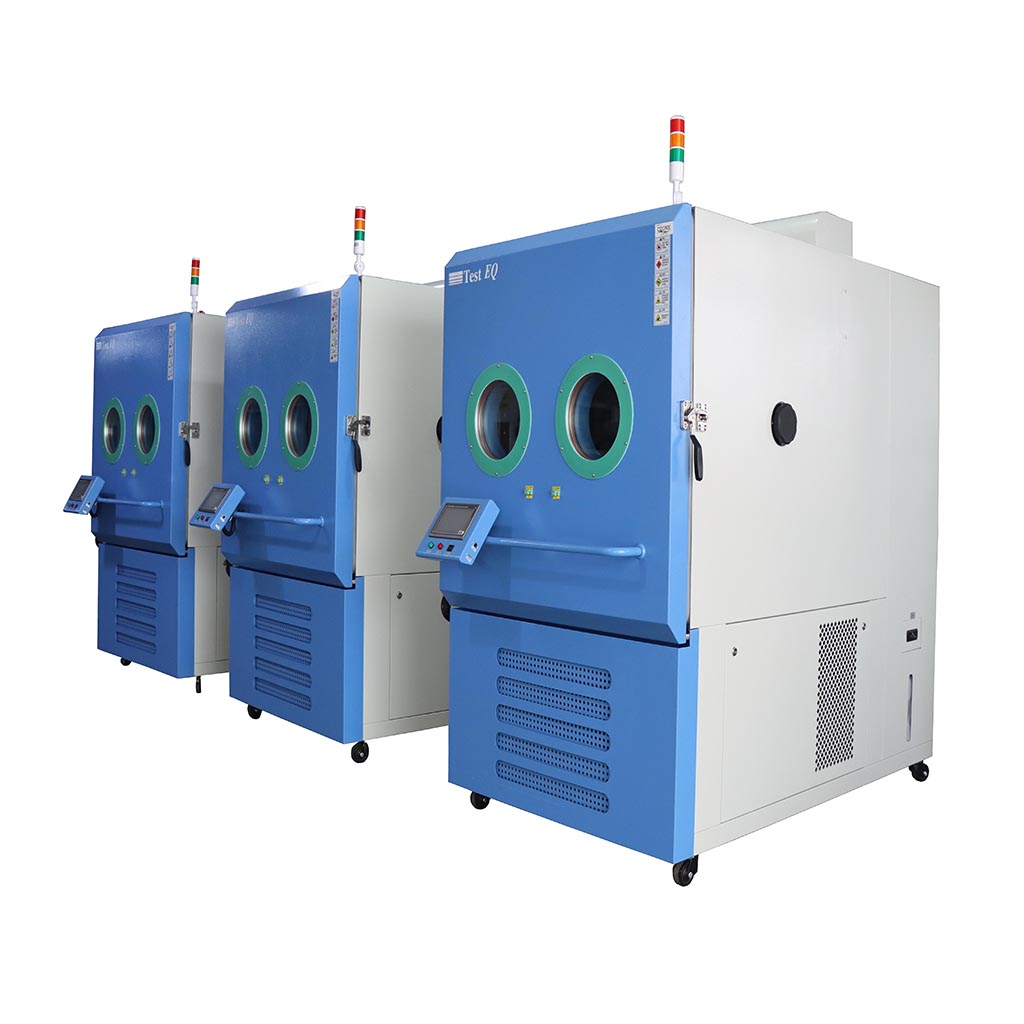
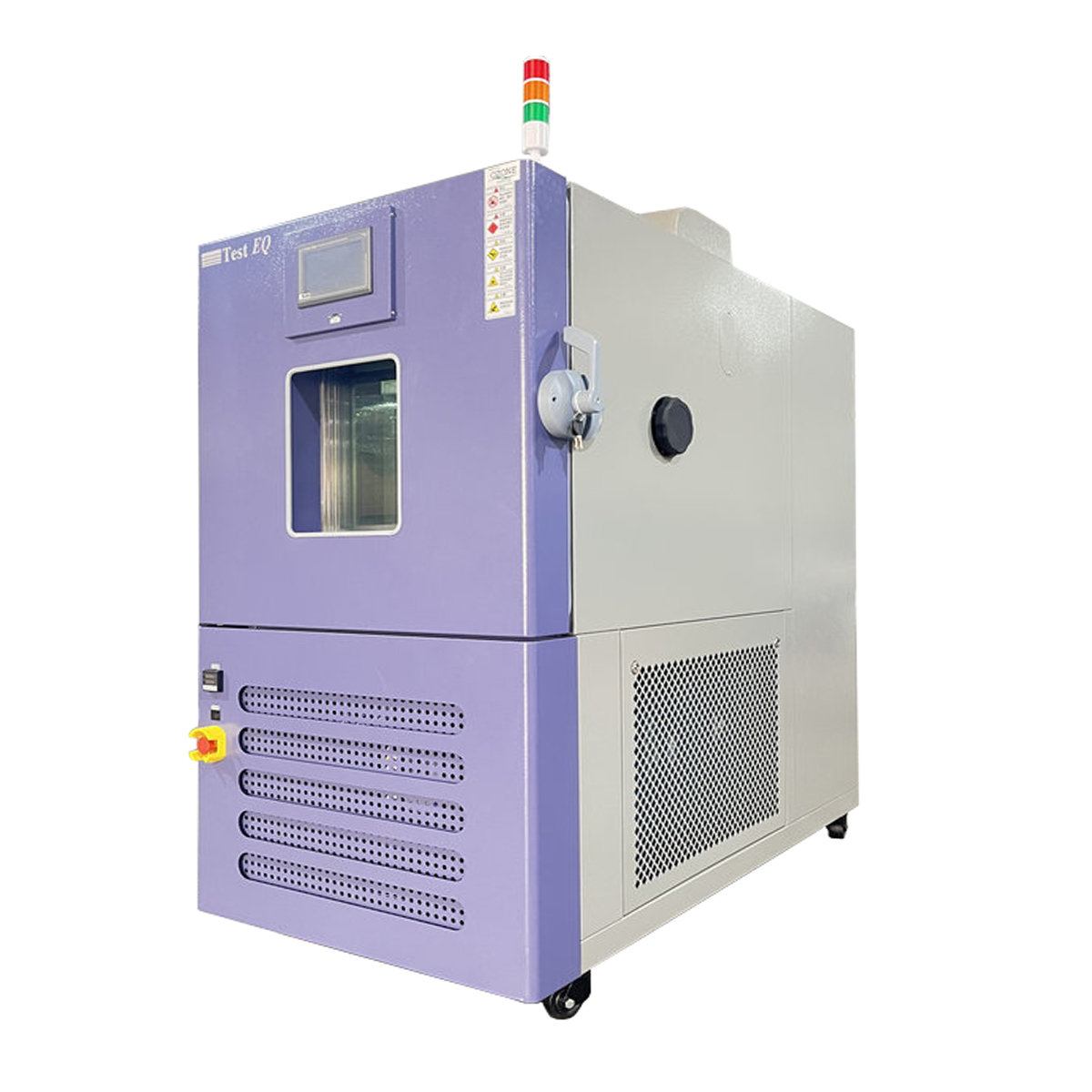
Designed for high-stress environmental simulation, this chamber enables rapid temperature transition testing to evaluate material fatigue, solder joint reliability, and electronic component durability under extreme thermal cycling conditions. Widely used in aerospace, automotive electronics, and semiconductor industries.
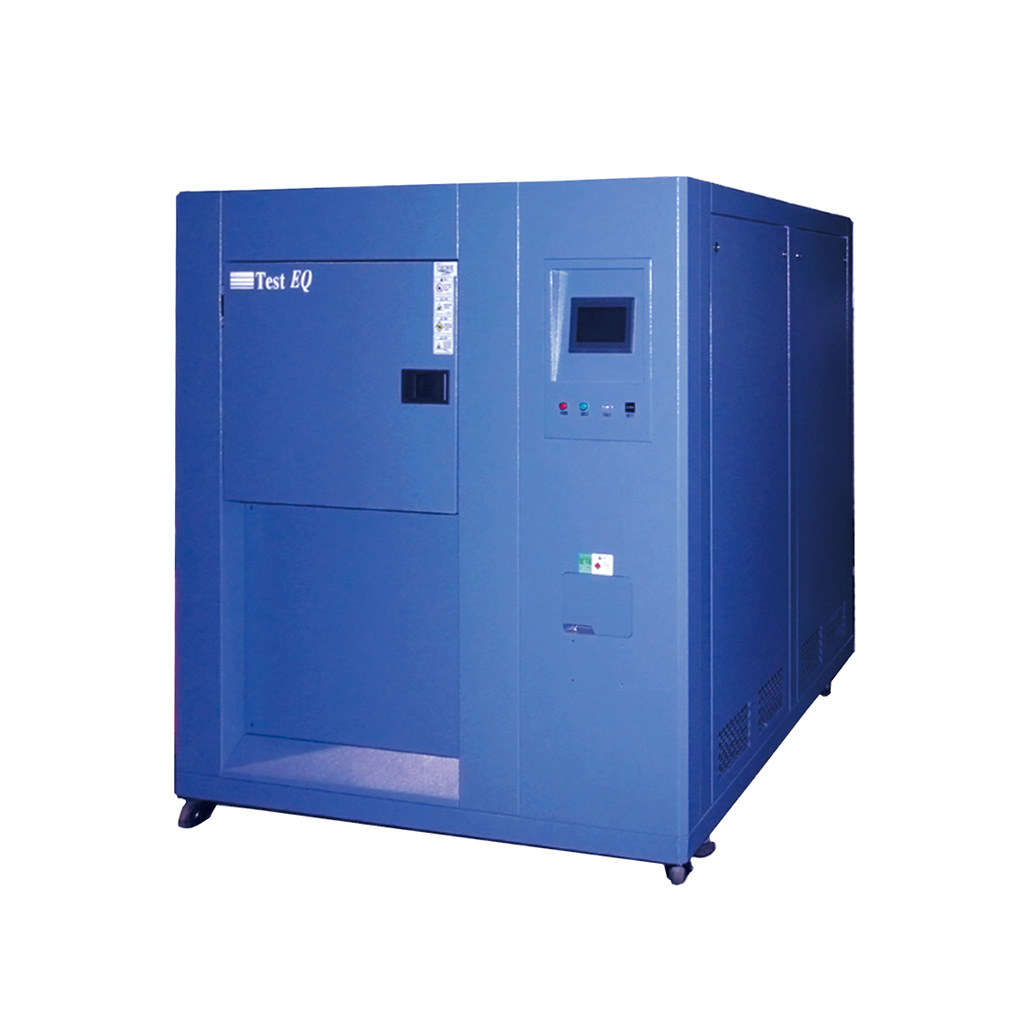
A dual-zone environmental testing system that exposes products to extreme hot and cold air alternation to simulate thermal shock conditions. It is ideal for identifying structural weaknesses, sealing failures, and material cracking in electronics, batteries, and industrial components.
Related Standards
A widely recognized standard for neutral salt spray (NSS) testing used to evaluate corrosion resistance of coated metals and materials under continuous salt fog exposure. It is one of the most commonly referenced corrosion testing standards globally.
Related Resources
A practical selection guide covering key factors such as chamber size, spray system type, control accuracy, cycle programming, and compliance standards. Helps procurement teams and engineers choose the right corrosion testing equipment.