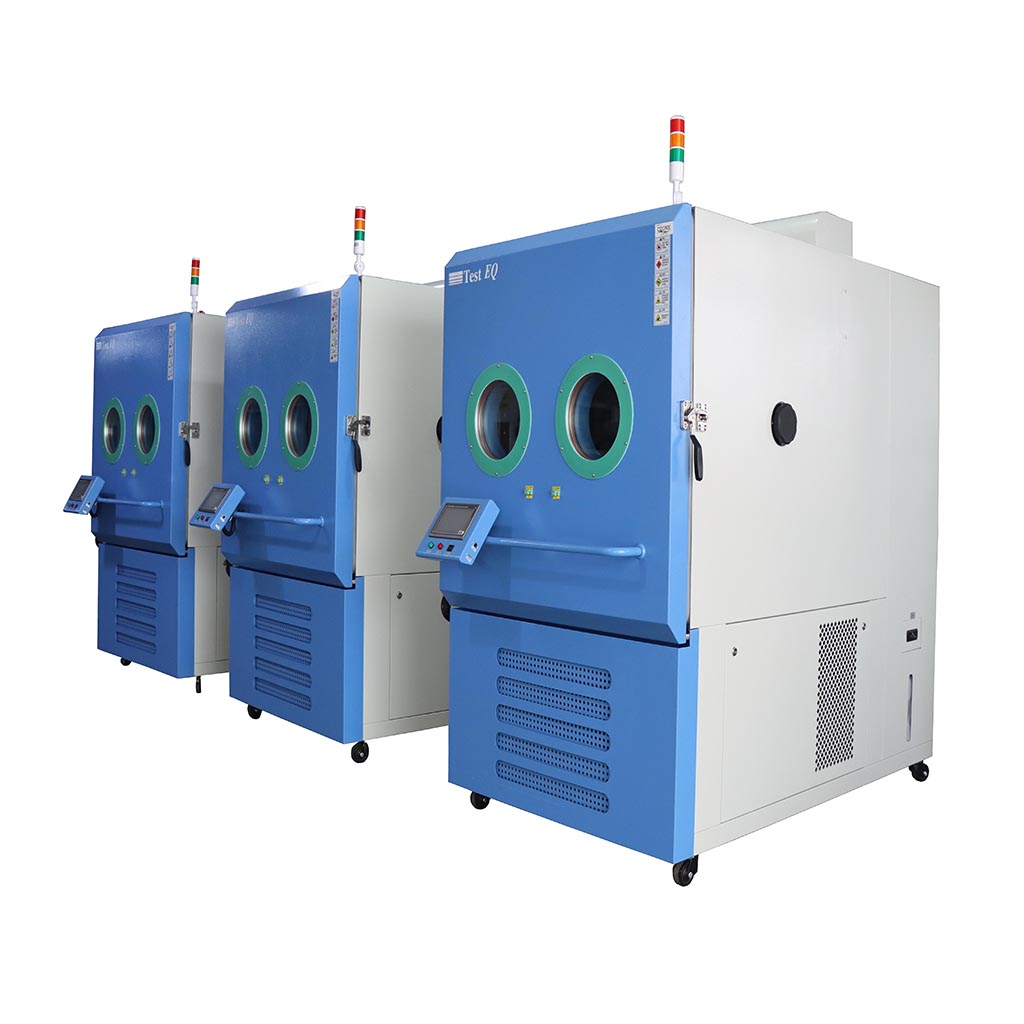
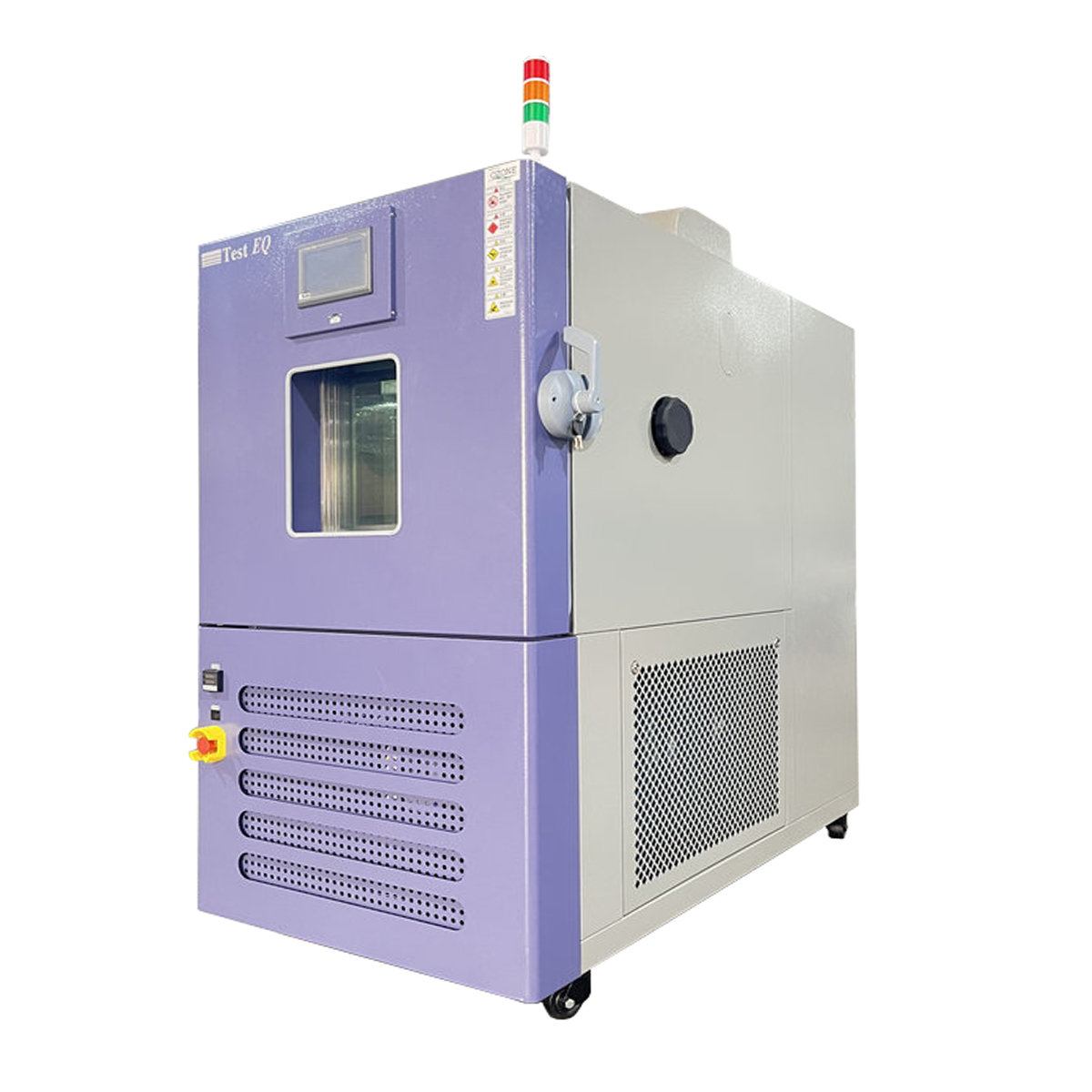
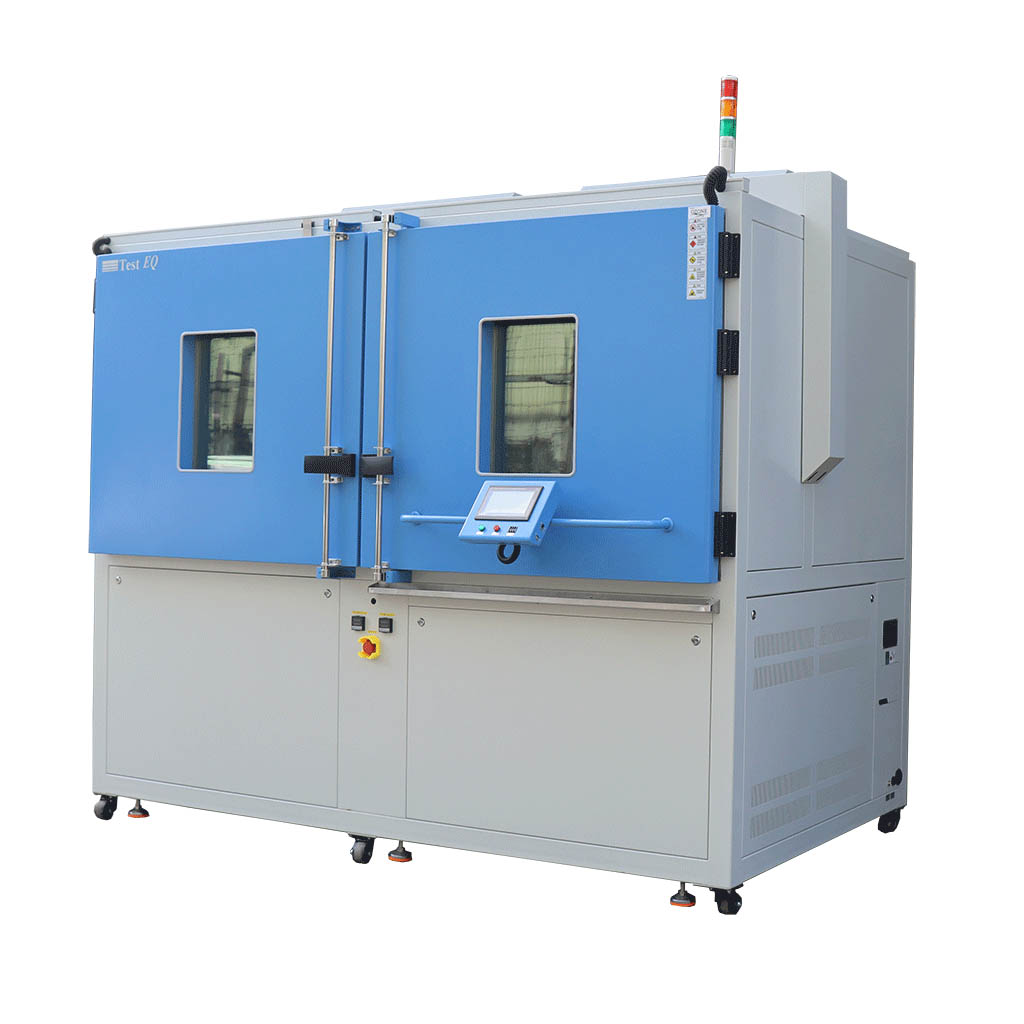
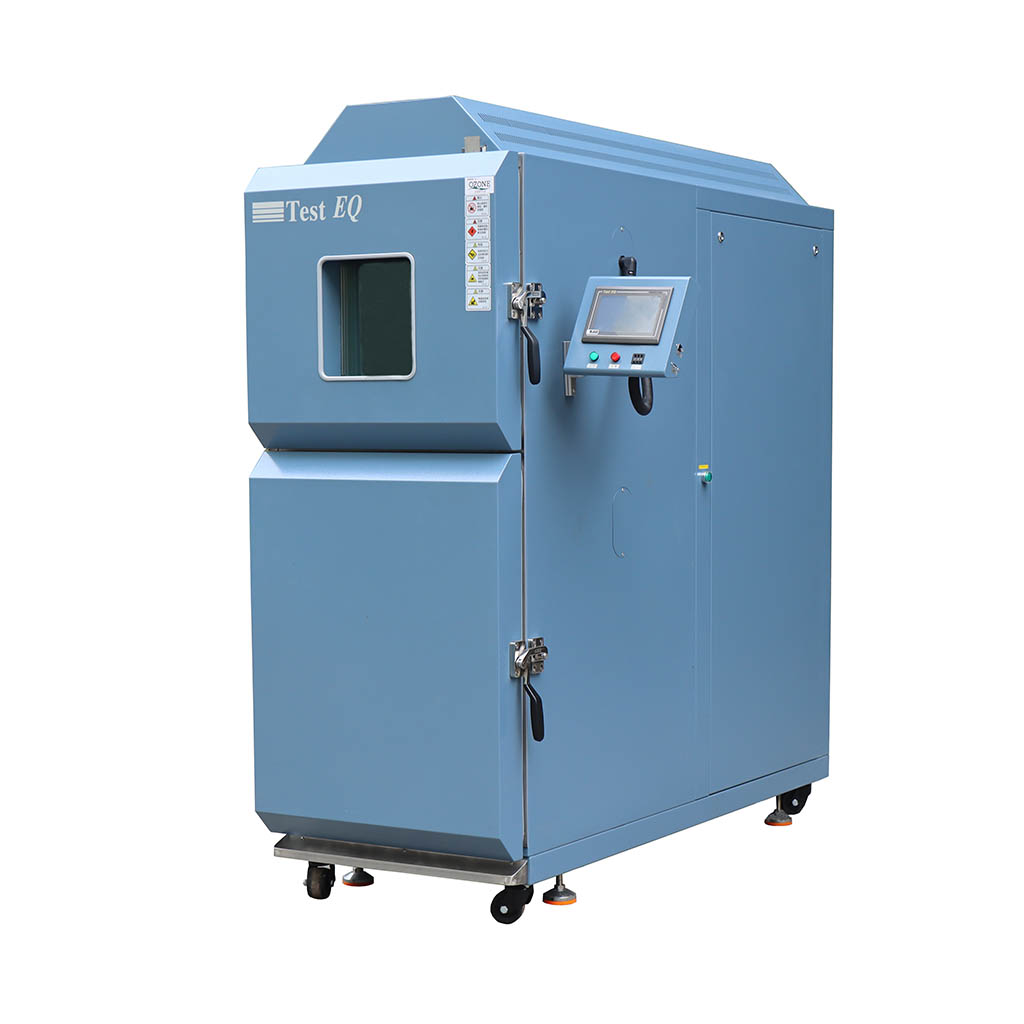
Key Advantages:
Capacity: 22.5 to 64L
Temperature Range:-65℃ to +150℃
Temperature Fluctuation:≤ ±0.5℃
Temperature Deviation:≤ ± 2.0℃
Humidity Range:5% to 98%R.H
Humidity Deviation:± 3.0% RH(>75%RH)
Noise test:≤ 68dB




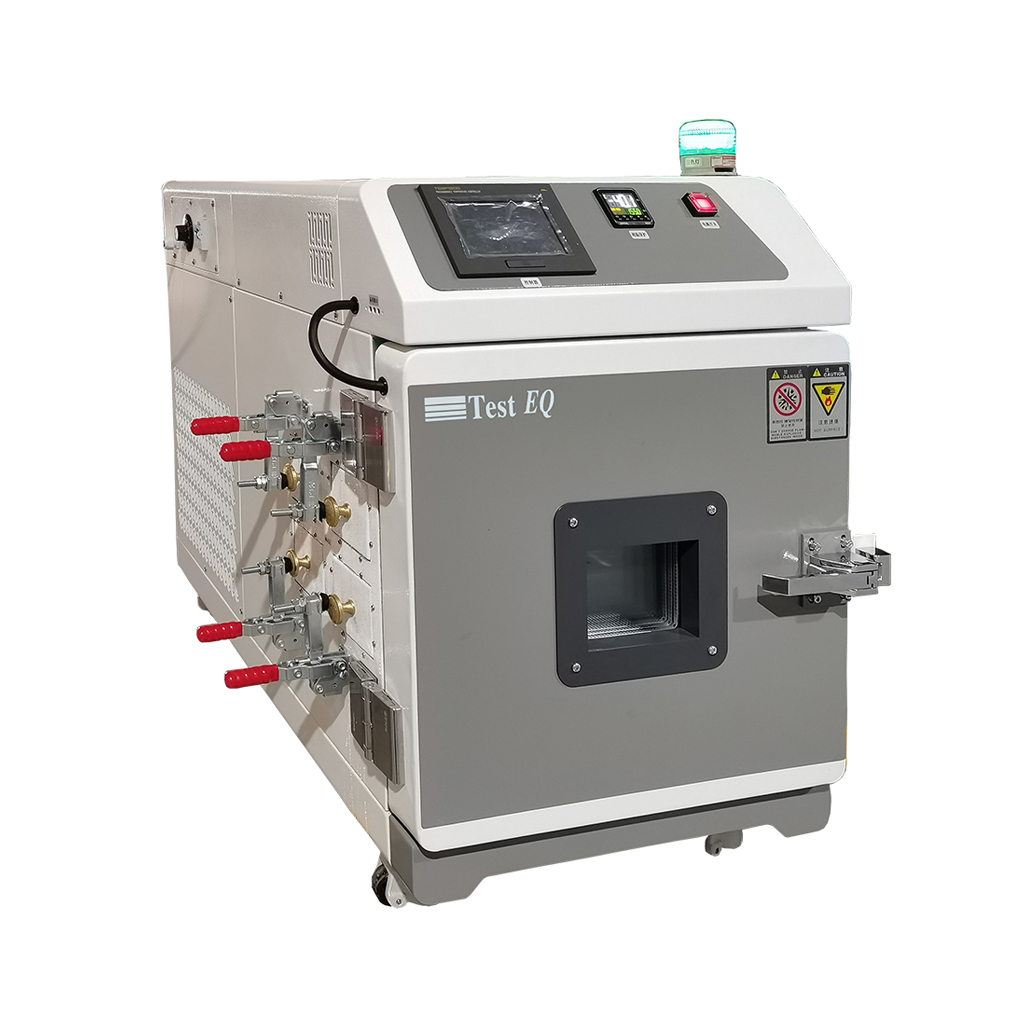
Key Advantages:
Capacity: 22.5 to 64L
Temperature Range:-65℃ to +150℃
Temperature Fluctuation:≤ ±0.5℃
Temperature Deviation:≤ ± 2.0℃
Humidity Range:5% to 98%R.H
Humidity Deviation:± 3.0% RH(>75%RH)
Noise test:≤ 68dB
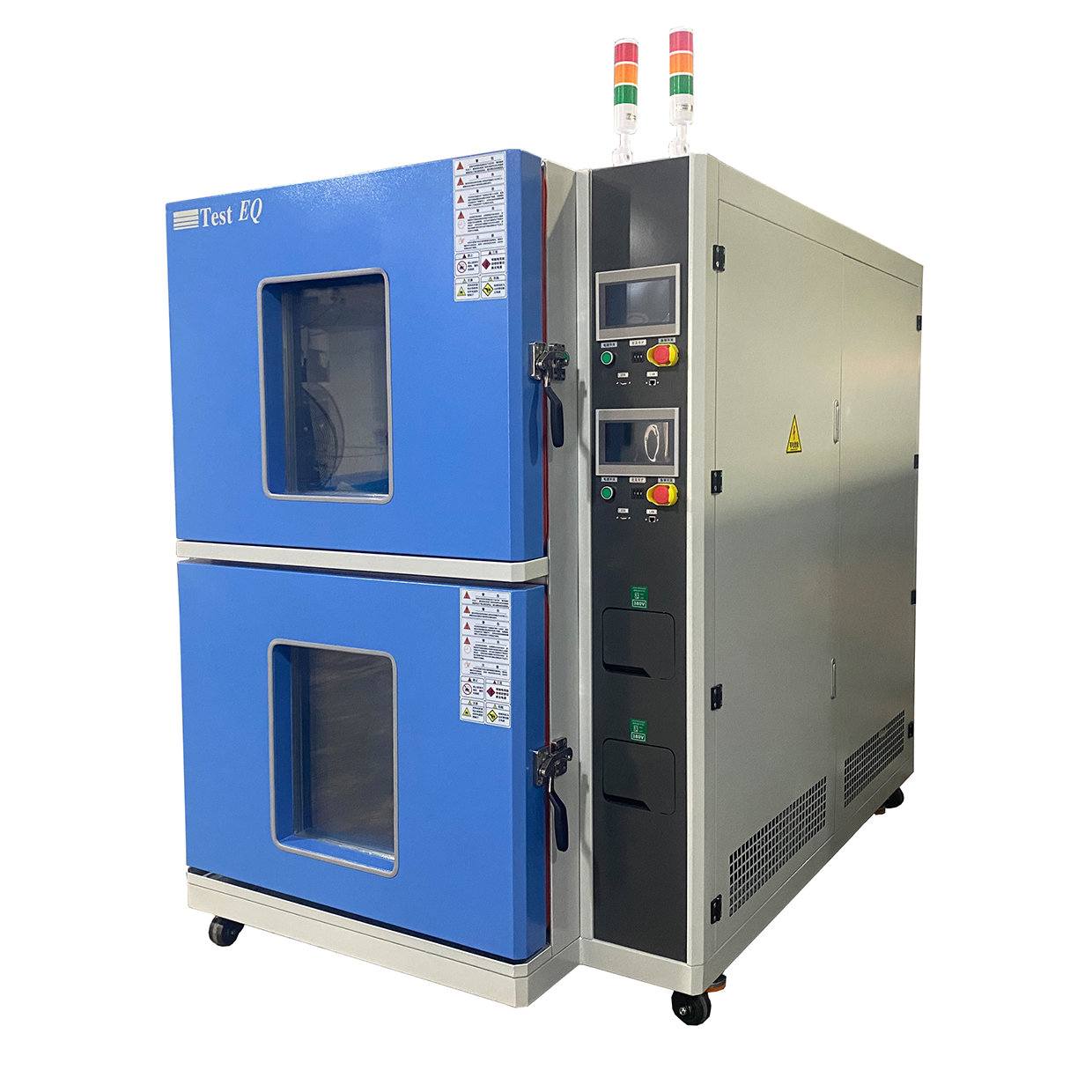
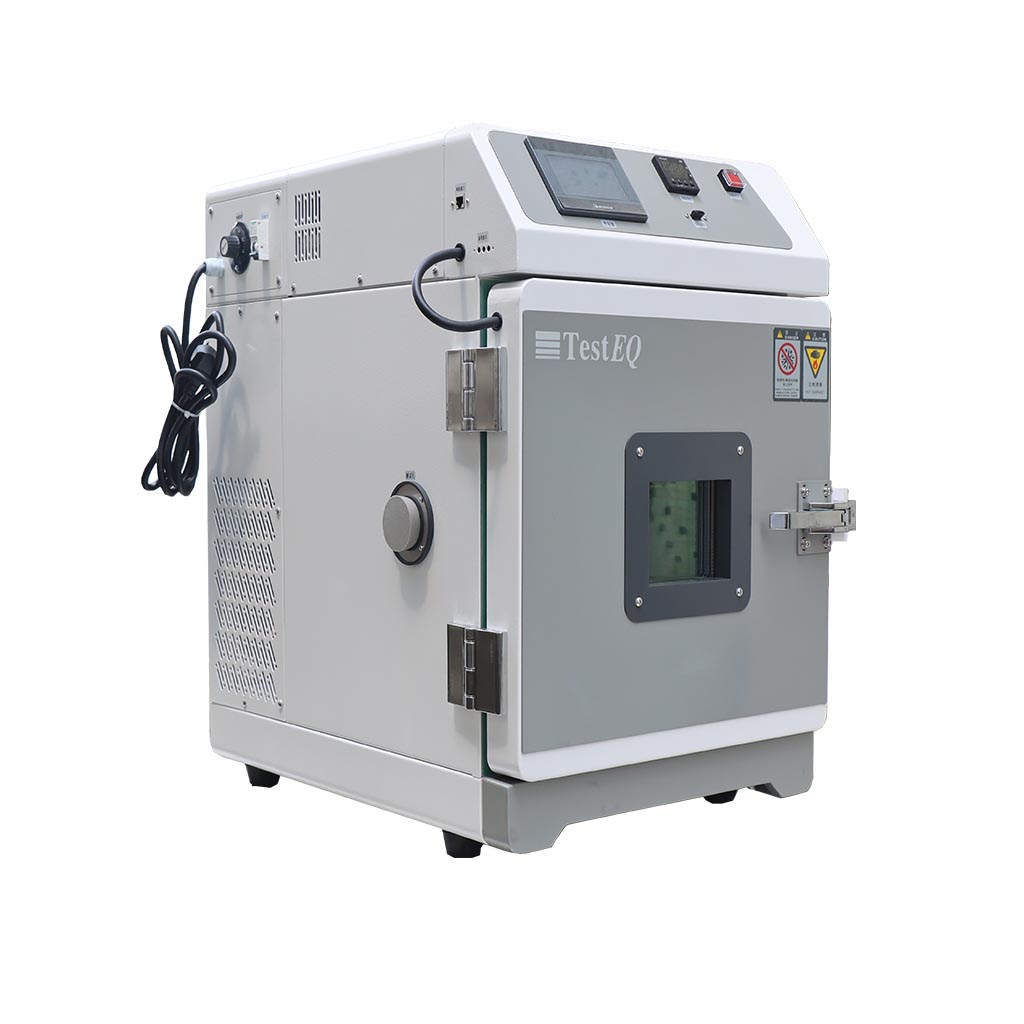
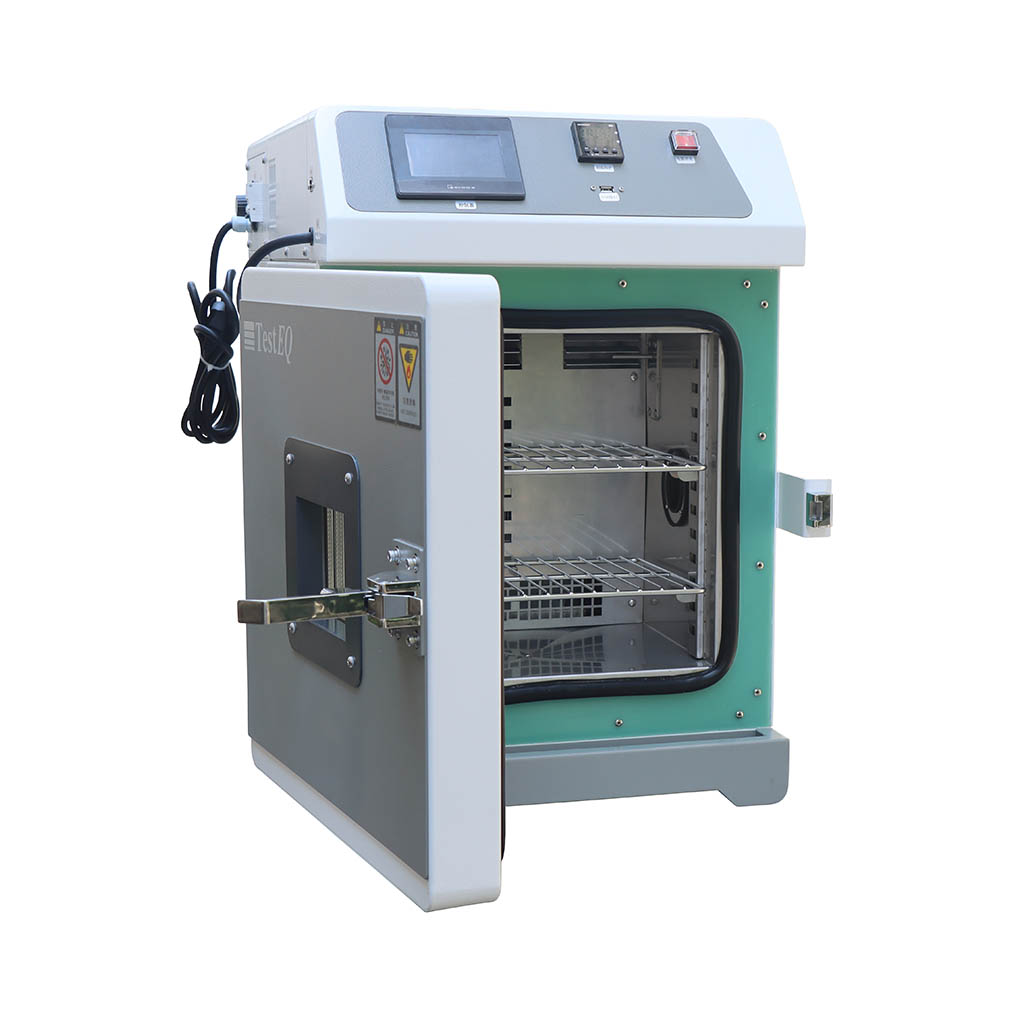
Key Specifications of Benchtop Environmental Chamber:
| Serial number | Capacity ( m³ ) | 0.0225 | 0.064 | |||||
| 1 | Model | Benchtop Environmental Chamber | MITH-270A20 | MITH-270A40 | MITH-270A60 | MITH-640A20 | MITH-640A40 | MITH-640A60 |
| 2 | Internal Dimension (WxHxD mm) | 300x300x250 | 400x400x400 | |||||
| 3 | External Dimension (WxHxD mm) | 550x850x900 | 1300x1150x1000 | |||||
| 4 | Temperature Range | -20℃ to +100℃ | -40℃ to +100℃ | -60℃ to +100℃ | -20℃ to +100℃ | -40℃ to +100℃ | -65℃ to +100℃ | |
| 5 | Temperature Fluctuation | ≤ ± 0.5℃ | ||||||
| 6 | Temperature Deviation | ≤ ± 2.0℃ | ||||||
| 7 | Humidity Range | 20% ~98%R.H (Humidity 5%R.H-optional ) | ||||||
| 8 | Humidity Deviation | ± 3.0% RH (>75%RH); ±5.0% RH (75% RH) | ||||||
| 9 | Optional Accessories | Inner door with operation Hole , Recorder, Water Purifier etc | ||||||
| 10 | Power | AC220V; 1phase 3 lines ; 50/60HZ | ||||||
What is a Benchtop Environmental Chamber?
A benchtop environmental chamber is a compact environmental test chamber used to expose small products, components, materials, or assemblies to controlled temperature and humidity conditions.
Compared with large floor-standing or walk-in environmental chambers, a benchtop chamber is designed for component-level testing where laboratory space, test volume, and operating cost are important considerations.
Typical environmental test conditions include:
Constant temperature testing
Temperature and humidity testing
Damp heat testing
Temperature cycling
Accelerated aging
Reliability screening
Material conditioning
Product validation
For engineering teams, the main advantage is the ability to perform controlled environmental testing close to the R&D or quality-control workflow.
Why Benchtop Chamber Matters in Reliability Testing
Benchtop chambers are critical for early-stage product validation because they allow engineers to:
Detect thermal failure points
Simulate real-world environmental stress
Validate product lifespan
Ensure compliance with international standards
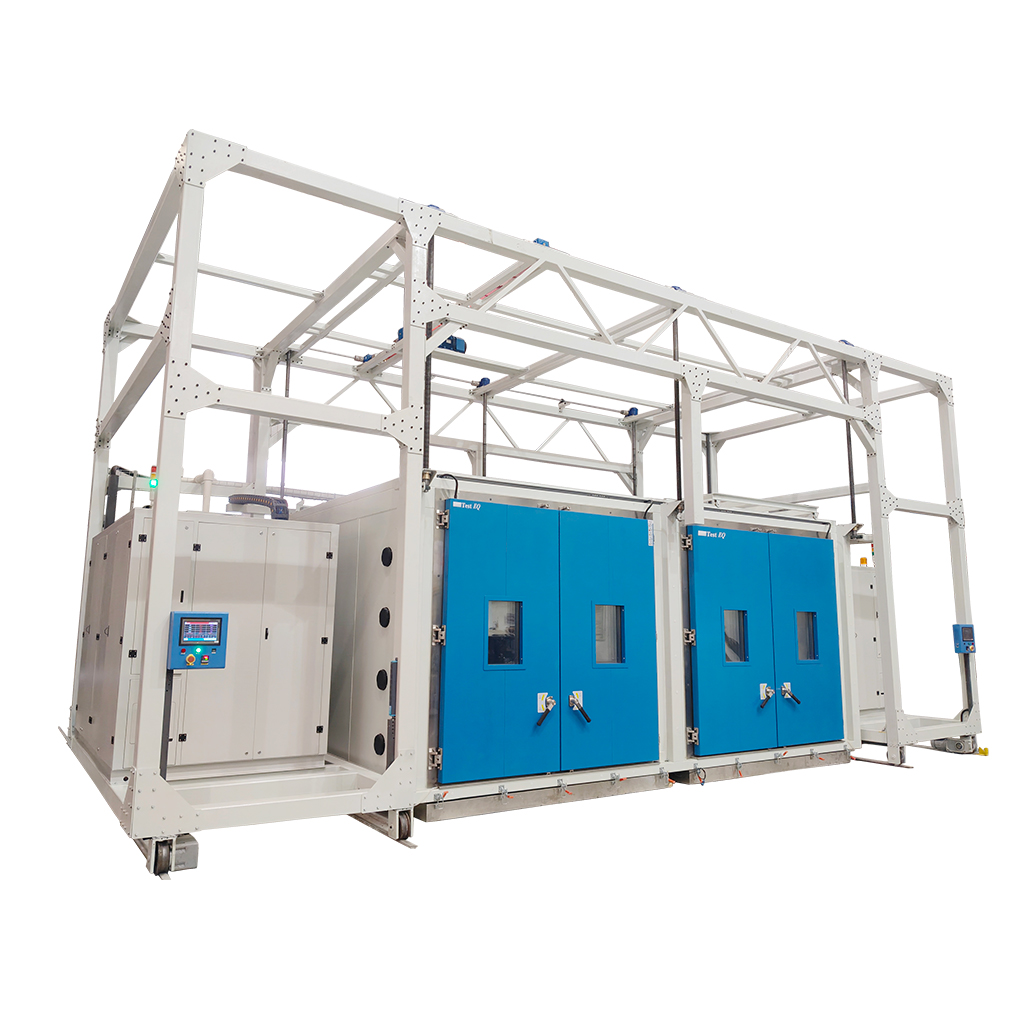
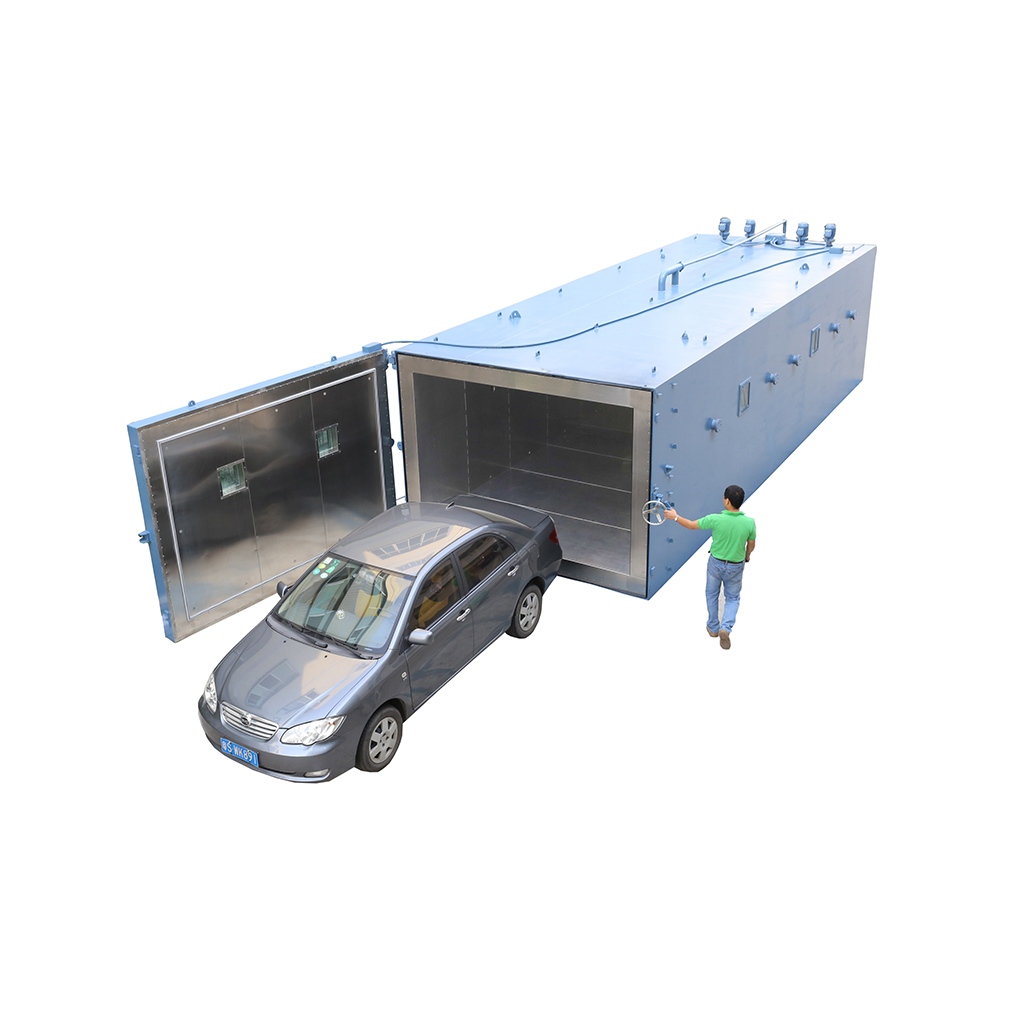
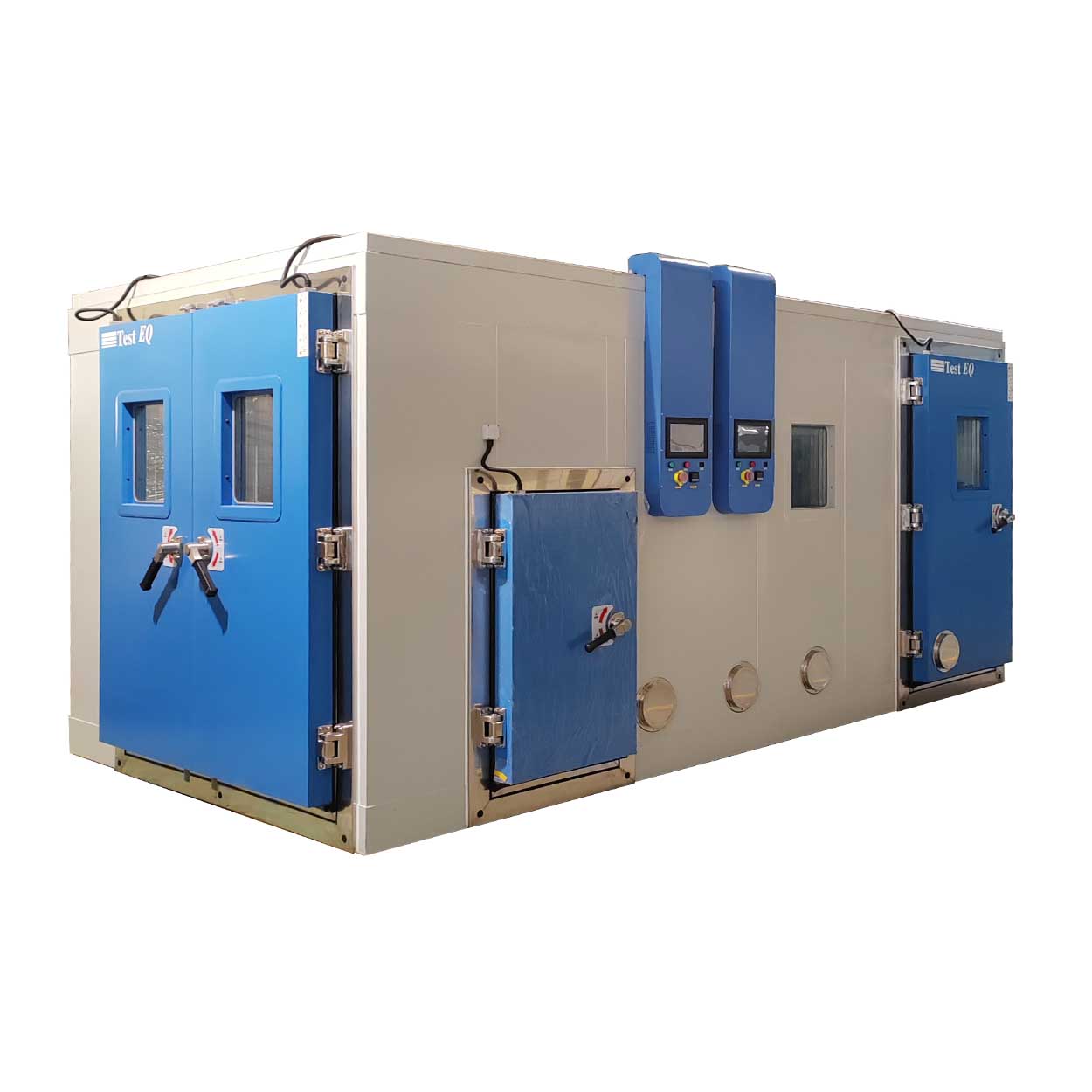
Benchtop vs Floor-Standing Environmental Chamber
Choosing the correct chamber size depends primarily on the DUT size, test quantity, required environmental conditions, and available laboratory space.
| Selection Factor | Benchtop Environmental Chamber | Floor-Standing Environmental Chamber |
|---|---|---|
| Test Volume | Small-volume testing | Medium- to large-volume testing |
| Typical DUTs | Electronic components, PCBs, sensors, and small assemblies | Larger products, assemblies, and multiple DUTs |
| Installation | Laboratory bench or compact workspace | Dedicated floor space |
| Space Requirement | Compact footprint | Larger footprint |
| Typical Applications | R&D, quality control, component reliability testing | Product validation, production testing, and larger DUT testing |
| Test Throughput | Small-batch testing | Higher-volume or multi-sample testing |
For small electronic components and laboratory samples, a benchtop environmental chamber can provide a more efficient testing solution.
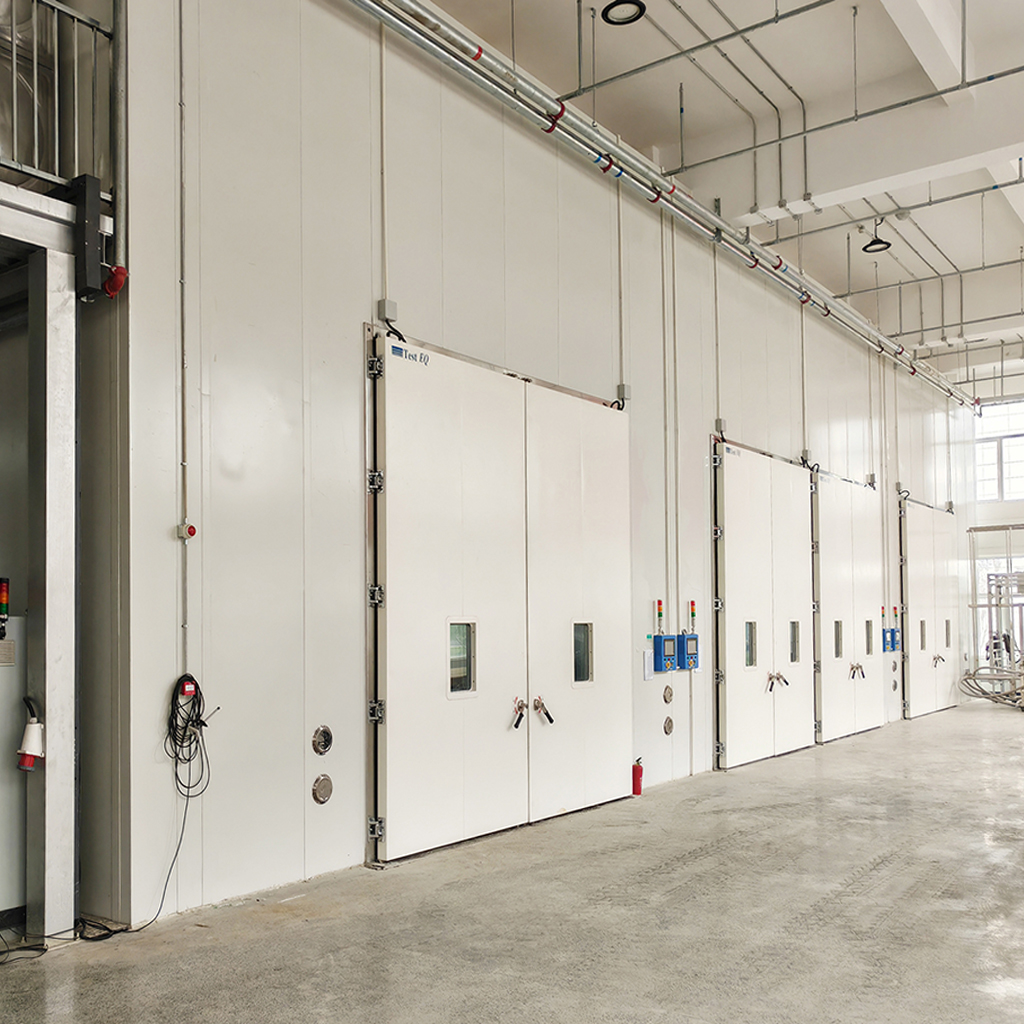
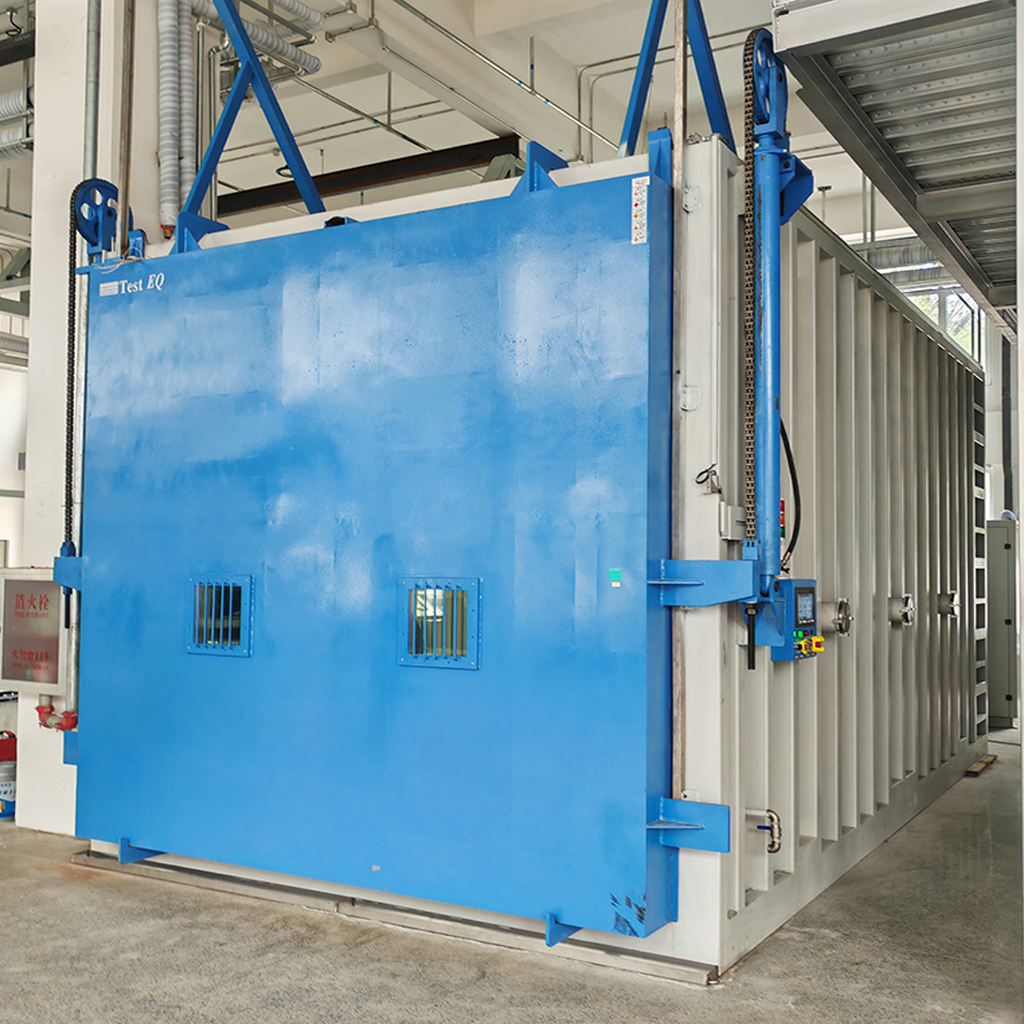
For large assemblies, battery packs, vehicle components, or batch testing, a floor-standing or walk-in environmental chamber may be more appropriate.
Why Choose Our Benchtop Environmental Chamber:
A compact chamber can be a practical solution when the test specimen is relatively small but the required environmental conditions still need to be controlled and repeatable.
Compact Laboratory Footprint
The 22.5L and 64L configurations are suitable for laboratories, R&D facilities, university research environments, quality-control departments, and electronics testing areas where floor space is limited.
Precise Temperature Control
The chamber uses programmable temperature control to maintain stable test conditions. Temperature fluctuation is specified at ≤ ±0.5°C, while temperature deviation is ≤ ±2.0°C for applicable configurations.
Temperature and Humidity Simulation
Humidity control allows engineers to evaluate product performance under combined temperature and moisture conditions rather than temperature alone.
This is useful for:
Moisture-related reliability testing
Corrosion evaluation
Insulation performance testing
Material aging
Electronic component validation
Environmental durability testing
Programmable Test Profiles
Programmable control allows users to establish multi-step temperature and humidity profiles for repeated environmental test cycles.
This helps laboratories standardize test procedures and improve test repeatability.
Flexible Configuration
Depending on the application, the chamber can be configured with options such as:
• Access ports
• Inner doors
• Data recording
• Water purification
• Customized sample fixtures
• Country-specific electrical configuration
How to Choose the Right Benchtop Environmental Chamber
Before purchasing a benchtop environmental chamber, engineers and procurement teams should confirm five key parameters.
1. Required Temperature Range
Determine the lowest and highest test temperature required by the test specification.
2. Humidity Requirements
Confirm whether the application requires temperature-only testing or combined temperature and humidity control.
3. Test Volume
Select a chamber large enough for the DUT and fixtures while maintaining adequate airflow around the samples.
4. Test Profile
Determine whether the chamber needs constant temperature operation, humidity testing, temperature cycling, or programmable multi-step profiles.
5. Applicable Standards
Identify the applicable IEC, MIL-STD, ISO, ASTM, automotive, semiconductor, or customer-specific test requirement before selecting the final chamber configuration.
Why Choose TestEQ for Benchtop Environmental Chambers?
TestEQ designs and manufactures environmental test chambers and customized reliability testing systems for industrial and laboratory applications.
Our engineering approach focuses on:
Temperature and humidity control
Stable long-duration operation
Programmable environmental test profiles
Application-specific chamber configuration
Customized fixtures and access ports
Factory testing and performance verification
Technical support for chamber selection
For projects requiring conditions outside the standard benchtop configuration, TestEQ can evaluate customized temperature ranges, humidity requirements, chamber dimensions, monitoring functions, and electrical configurations.
Test Standards and Environmental Testing
Depending on the application and configured chamber performance, TestEQ environmental chambers can be engineered for testing programs based on recognized environmental and reliability standards.
Commonly referenced standards include:
IEC 60068 – Environmental testing
MIL-STD-810 – Environmental engineering considerations and laboratory tests
ISO 16750 – Environmental conditions and testing for road vehicles
ASTM D4332 – Standard practice for conditioning containers, packages, or packaging components
ISTA testing procedures – Packaging and transport testing
The exact test conditions and required chamber performance should always be confirmed against the applicable standard and test method before equipment selection.
Frequently Asked Questions (FAQ)
1. What is a benchtop environmental chamber used for?
A benchtop environmental chamber is used to simulate controlled temperature and humidity conditions for small samples, components, and assemblies. It is commonly used in electronics, semiconductor, automotive, medical device, materials, and laboratory testing to evaluate product reliability, aging performance, and environmental durability.
Typical applications include temperature testing, humidity testing, damp heat exposure, environmental conditioning, accelerated aging, and component reliability testing.
2. What temperature and humidity range is available for the benchtop environmental chamber?
The available temperature range depends on the selected chamber model and configuration. TestEQ benchtop environmental chambers are available with different low-temperature configurations, including approximately -20°C, -40°C, and -60°C options.
The typical humidity range is 20% to 98% RH, with an optional low-humidity configuration available for applications requiring humidity levels down to approximately 5% RH.
The final temperature and humidity specifications should be confirmed according to the selected model and required test conditions.
3. What industries use benchtop environmental chambers?
Benchtop environmental chambers are commonly used by:
• Electronics and PCB manufacturers
• Semiconductor companies
• Automotive electronics suppliers
• Medical device manufacturers
• Materials research laboratories
• Universities and R&D laboratories
• Quality control and reliability testing departments
They are particularly suitable for small-sample testing where laboratory space is limited and controlled environmental conditions are required.
4. What is the difference between a benchtop environmental chamber and a walk-in chamber?
A benchtop environmental chamber is designed for small samples, components, and laboratory-scale testing, while a walk-in environmental chamber is designed for large products, assemblies, vehicles, or higher-volume batch testing.
A benchtop chamber is generally preferred when:
• Test specimens are relatively small
• Laboratory space is limited
• Component-level testing is required
• R&D testing is performed frequently
• A compact test volume is sufficient
A walk-in chamber is more appropriate when large products, multiple assemblies, or full-scale environmental testing must be performed.
5. What test standards can a benchtop environmental chamber be used for?
Depending on the chamber configuration and required test conditions, TestEQ benchtop environmental chambers can be used for environmental testing based on internationally recognized standards and test methods, including:
• IEC 60068 — Environmental testing
• MIL-STD-810 — Environmental engineering and laboratory testing
• ISO 16750 — Environmental conditions and testing for road vehicle electrical and electronic equipment
• ASTM D4332 — Standard practice for conditioning containers, packages, or packaging components
• Applicable ISTA test procedures for packaging and transport testing
The required chamber performance should be verified against the specific test method before equipment selection.
6. Can the benchtop environmental chamber be customized?
Yes. TestEQ can provide customized configurations based on the required test conditions and laboratory environment.
Available options may include:
• Customized temperature range
• Low-humidity or low-dew-point control
• Data logging and monitoring
• USB or Ethernet communication
• Customized sample fixtures
• Cable and sensor access ports
• Additional feed-through openings
• Country-specific voltage and power configurations
For specialized research or industrial testing projects, TestEQ engineers can evaluate the required test profile and recommend an appropriate chamber configuration.
7. How do I choose the right benchtop environmental chamber?
The most important factors are the required temperature range, humidity range, test sample size, test volume, test profile, and applicable testing standard.
Before selecting a chamber, provide:
• Minimum and maximum test temperature
• Required humidity range
• Sample dimensions and quantity
• Required test cycle or profile
• Applicable IEC, MIL-STD, ISO, ASTM, or customer-specific standard
• Available laboratory installation space
TestEQ can recommend the appropriate chamber model based on these requirements.
8. Is a benchtop environmental chamber suitable for electronics and semiconductor testing?
Yes. Benchtop environmental chambers are particularly suitable for small electronic components, PCB assemblies, sensors, connectors, semiconductor packages, and other component-level test specimens.
They can be used for controlled temperature and humidity exposure, environmental conditioning, reliability evaluation, accelerated aging, and product development testing.
For applications requiring rapid temperature transitions, a dedicated thermal cycling or rapid temperature change chamber may be more appropriate.
9. What is the typical capacity of a benchtop environmental chamber?
TestEQ offers compact benchtop configurations in different test volumes, including approximately 22.5L and 64L models.
The appropriate chamber size depends on the dimensions and quantity of the test specimens. The chamber should provide sufficient space around the samples to allow proper airflow and environmental exposure.
10. Can I request a customized benchtop environmental chamber from TestEQ?
Yes. TestEQ provides customized environmental testing equipment for applications that require non-standard temperature ranges, humidity conditions, chamber dimensions, fixtures, monitoring systems, or access ports.
When requesting a quotation, provide the required temperature range, humidity range, sample dimensions, test standard, test profile, and power supply requirements. TestEQ engineers can then recommend a suitable configuration and provide a technical quotation.
Internal Linking Module
Recommended Equipment
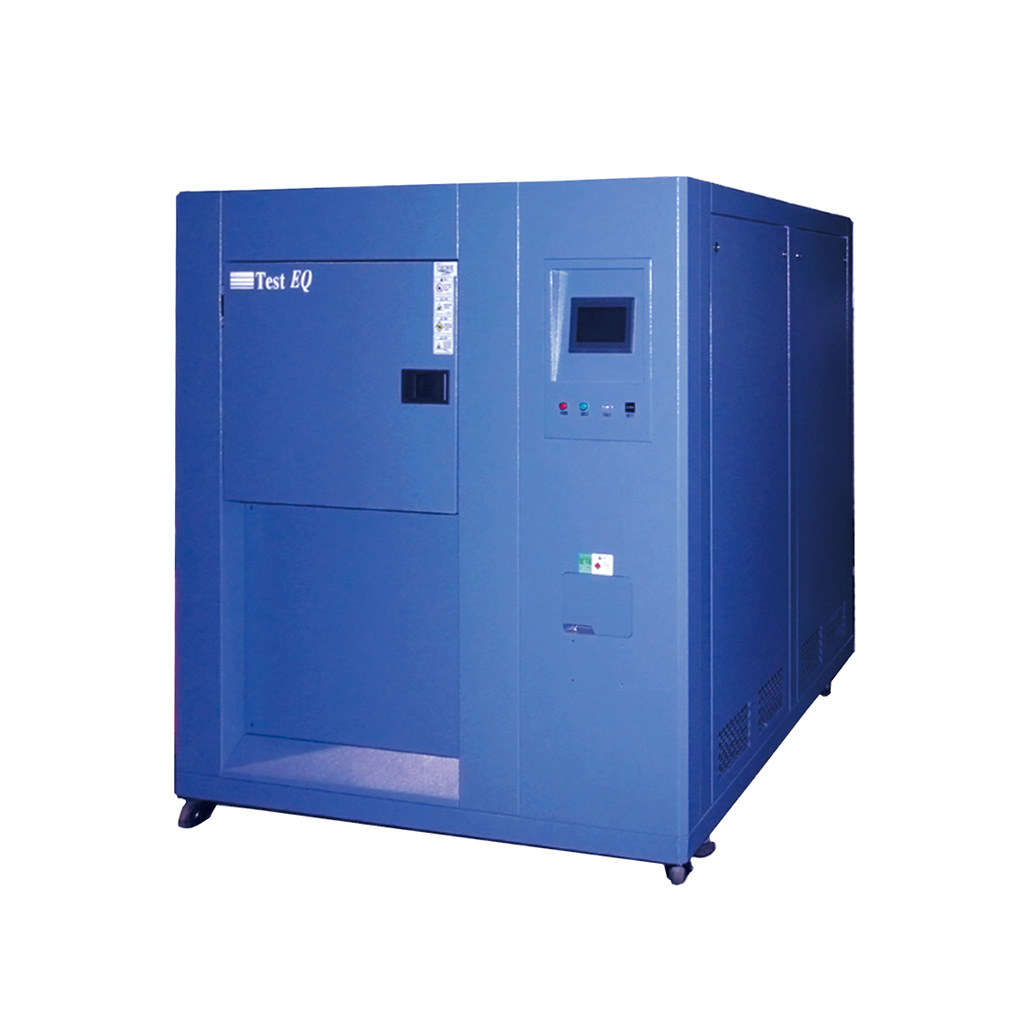
Designed for rapid hot-to-cold and cold-to-hot thermal shock testing of components and electronic assemblies.
For larger DUTs and production-scale temperature and humidity testing where a benchtop chamber is not sufficient.
Designed for repeated temperature cycling and accelerated reliability testing of electronics, automotive components, and semiconductor devices.
Testing Standards
A widely used environmental testing standard covering temperature, damp heat, shock, vibration, and other environmental stresses.
Provides environmental engineering and laboratory test methods for evaluating equipment under simulated environmental conditions.
Defines environmental conditions and testing methods for electrical and electronic equipment used in road vehicles.
Technical Resources
A practical guide for selecting chamber temperature range, humidity range, test volume, and chamber configuration.
Explains the technical differences between temperature cycling and thermal shock testing and when each method should be used.
Helps engineers and procurement teams evaluate environmental chamber specifications, reliability, customization, and supplier capabilities.
Applications of Benchtop Environmental Chambers:
Benchtop chambers are widely used across industries requiring precise environmental simulation for small samples
Electronics & Semiconductor
• PCB reliability testing
• IC aging & ESS screening
Automotive Components
• Sensor validation
• Adhesive durability testing
Pharmaceutical & Medical
• Stability testing (ICH Q1A)
• Vaccine and drug storage validation
Materials Research
• Thermal expansion testing
• Polymer and composite analysis
Academic & Research Labs
• Climate simulation
• Biological and aerospace studies
CTA:
Need a compact environmental chamber for temperature and humidity testing?
Contact TestEQ with your sample size, required temperature and humidity range, test standard, and test profile. Our engineering team can recommend a suitable benchtop environmental chamber configuration for your application.
Send TestEQ your:
• Required temperature range
• Required humidity range
• Sample dimensions and quantity
• Applicable testing standard
• Required test profile
• Power supply requirements
Our engineering team can recommend the appropriate benchtop environmental chamber configuration and provide a technical quotation.
We will contact you within 1 working day, please pay attention to the email with
the suffix "@test-eq.com".
We will contact you within 1 working day, please pay attention to the email with the suffix "@test-eq.com".
P.IVA: 91441900MAECQJHY37 Guangdong Test EQ Equipment Co., Ltd. | All Rights Reserved