What Is the AEC-Q100 Temperature Cycling Test?
The Automotive Electronics Council developed the AEC-Q100 standard to verify the reliability of integrated circuits used in automotive applications.
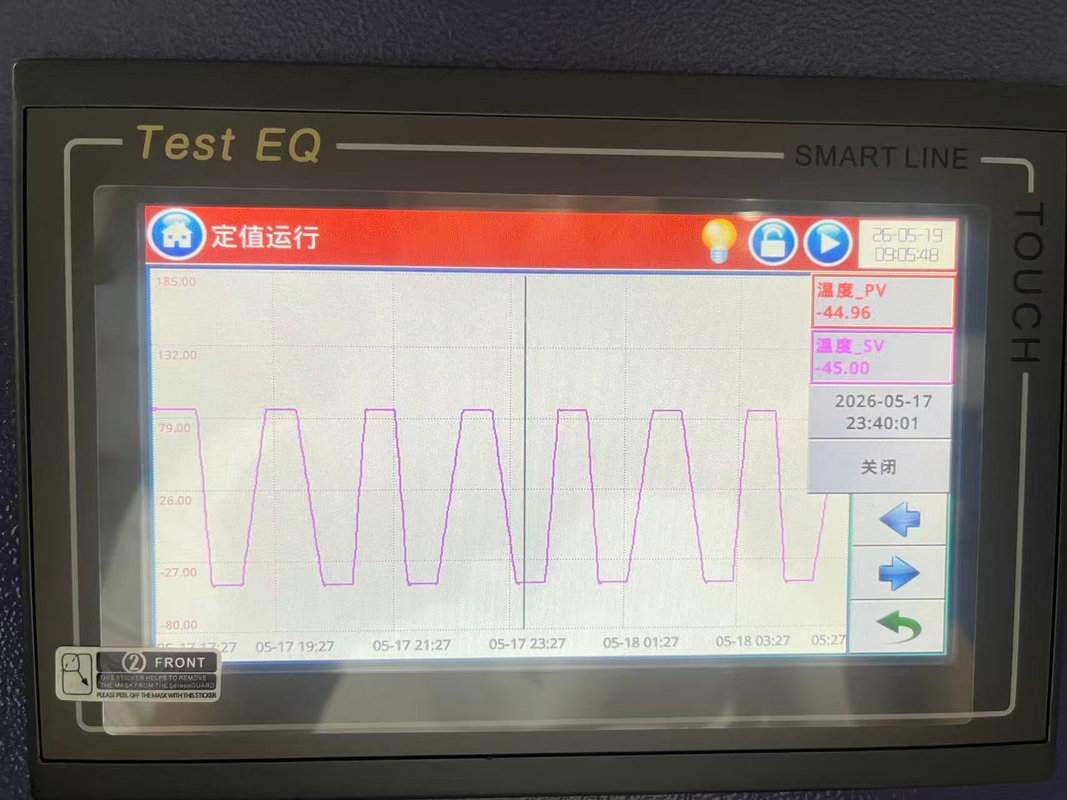
The temperature cycling test evaluates how electronic components respond to repeated transitions between extreme high and low temperatures. During the process, materials inside the device expand and contract continuously, creating mechanical stress on solder joints, bonding wires, substrates, and encapsulation materials.
The goal is to identify potential failures before products enter mass production.
Typical failure modes include:
Solder joint cracking
PCB delamination
Wire bond fatigue
Package deformation
Intermittent electrical failure
Semiconductor performance degradation
Because automotive electronics operate under severe thermal environments, AEC-Q100 thermal cycling has become one of the most important reliability qualification procedures in the automotive supply chain.
Typical AEC-Q100 Temperature Cycling Conditions
Most automotive thermal cycling tests simulate rapid environmental transitions that electronic devices experience during real vehicle operation.
Common testing conditions include:
| Test Item | Typical Requirement |
|---|---|
| Low Temperature | -40°C |
| High Temperature | +125°C to +150°C |
| Transition Time | Fast transfer between zones |
| Dwell Time | 10–30 minutes |
| Cycle Quantity | 500–3000 cycles |
| Test Purpose | Reliability & lifetime verification |
Different automotive applications may require customized testing profiles depending on component sensitivity, package type, and target vehicle platform.
Why Thermal Cycling Is Critical in Automotive Electronics
Compared with consumer electronics, automotive electronic systems face significantly harsher operating conditions.
Vehicles may experience:
Cold starts in winter environments
High engine compartment temperatures
Rapid day-night thermal fluctuations
Continuous vibration during driving
Humidity and condensation exposure
These combined stresses accelerate material fatigue and increase the possibility of hidden reliability failures.
For this reason, automotive OEMs and Tier 1 suppliers increasingly require stricter environmental validation procedures during product qualification.
AEC-Q100 testing helps engineers:
Detect early-life failures
Improve design robustness
Reduce field return risk
Validate solder and package reliability
Shorten product development cycles
Improve long-term vehicle safety
TestEQ Thermal Cycling Testing Solutions
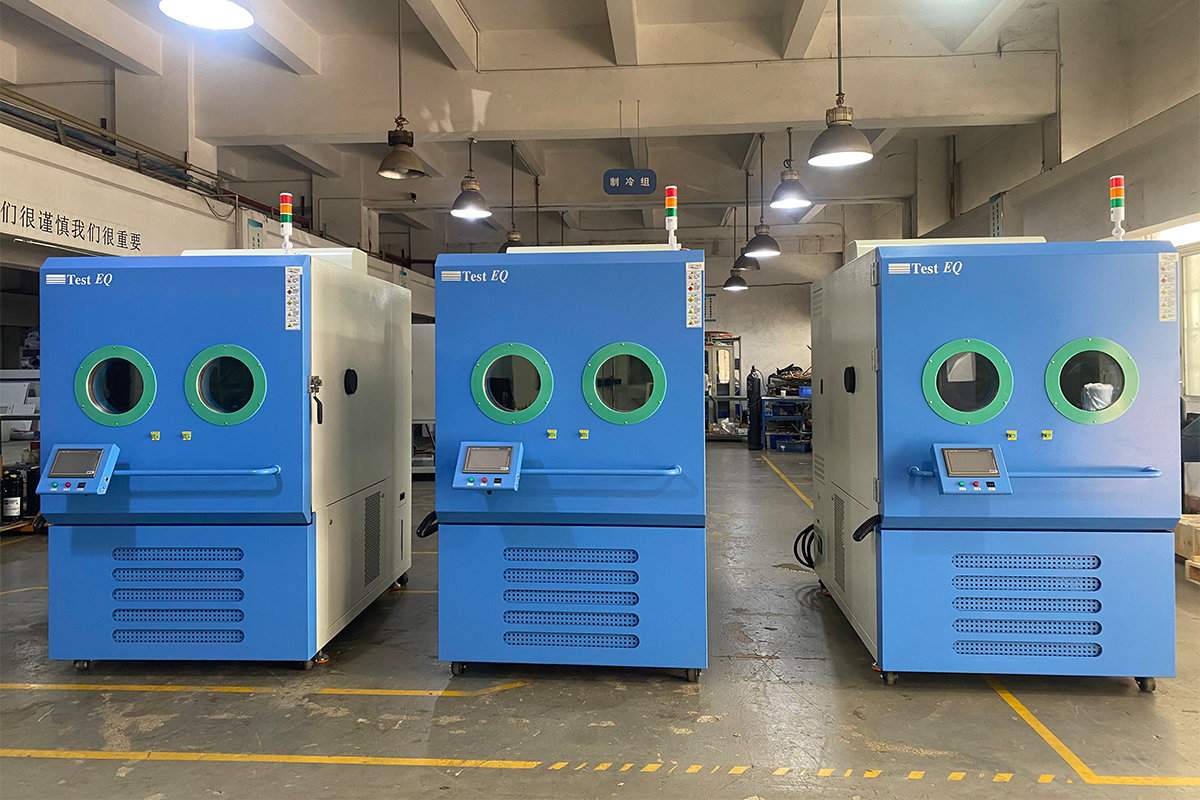
TestEQ Environmental Test Chambers provides advanced thermal cycling and rapid temperature change chambers designed for automotive electronics qualification and semiconductor reliability testing.
Our systems support:
Fast temperature ramp rates
Stable temperature uniformity
Long-duration automated cycling
Multi-channel monitoring integration
High repeatability testing performance
Custom chamber configurations for automotive applications
TestEQ chambers are widely used for:
Automotive ECU validation
Semiconductor reliability testing
PCB thermal fatigue analysis
Sensor durability testing
Power module qualification
For laboratories requiring compliance-focused testing environments, customized solutions are available based on specific AEC-Q100 cycling profiles and customer validation standards.
How Accurate Thermal Control Impacts Test Results
In temperature cycling validation, chamber performance directly affects data accuracy and repeatability.
Poor thermal uniformity or unstable ramp rates may lead to inconsistent stress conditions, making test results unreliable across different batches or laboratories.
High-precision thermal cycling systems help engineers achieve:
More repeatable qualification data
Better failure reproduction
Lower testing uncertainty
Faster engineering validation
Improved cross-laboratory consistency
This is especially important for semiconductor manufacturers and automotive suppliers operating under strict quality management systems.
Future Trend of Automotive Reliability Testing
With the rapid growth of EV platforms, autonomous driving systems, and high-density semiconductor packaging, automotive electronics are facing even more demanding thermal stress conditions.
Future AEC-Q100 testing requirements are expected to become stricter in areas such as:
Higher temperature exposure
Longer cycle duration
Advanced power semiconductor validation
AI and autonomous vehicle electronics reliability
As reliability expectations continue to increase, thermal cycling testing will remain a core qualification method throughout the automotive electronics industry.
Why Engineers and Laboratories Choose TestEQ
TestEQ focuses on delivering high-reliability environmental testing solutions for demanding industrial applications.
Our advantages include:
Advanced automotive testing experience
Custom non-standard chamber engineering
Fast ramp rate thermal cycling systems
Semiconductor-focused reliability solutions
Stable long-term testing performance
Global technical support capability
Whether you are validating automotive semiconductors, ECUs, PCBs, or next-generation EV electronics, TestEQ provides reliable environmental testing systems designed for modern automotive qualification standards.
Internal Linking Module
Recommended Equipment
Designed for AEC-Q100, JEDEC JESD22 and automotive electronics reliability testing. Supports rapid temperature ramp rates up to 30°C/min for accelerated thermal fatigue validation, semiconductor qualification, ECU testing and PCB reliability analysis.
Ideal for automotive ICs, sensors, power modules and electronic assemblies requiring long-term temperature cycling qualification. Engineered for continuous operation with stable temperature uniformity and repeatable test results.
Recommended Standards
Learn how JEDEC thermal cycling requirements compare with AEC-Q100 qualification testing. A valuable reference for semiconductor manufacturers, packaging engineers and automotive electronics suppliers.
Understand the differences between temperature shock and thermal cycling testing, including stress mechanisms, test methods and application scenarios for electronics and automotive components.
Recommended Resources
Discover the most common failure mechanisms found during automotive thermal cycling tests, including solder cracking, package fatigue, airflow issues and thermal expansion mismatch. Useful for reliability engineers and validation teams.
A technical guide covering thermal cycling failure modes in EV batteries, energy storage systems and lithium-ion cells. Learn how accelerated testing helps improve long-term reliability and product safety.
FAQ
1. What is the AEC-Q100 temperature cycling test?
AEC-Q100 temperature cycling testing is a reliability qualification method used to evaluate how automotive semiconductors and electronic components withstand repeated high and low temperature changes.
2. Why is thermal cycling important for automotive electronics?
Thermal cycling helps identify failures caused by material expansion and contraction, including solder cracking, PCB fatigue, and semiconductor package damage.
3. What temperature range is commonly used in AEC-Q100 testing?
Typical AEC-Q100 thermal cycling conditions range from -40°C to +125°C or +150°C depending on component type and automotive application requirements.
4. Which products require AEC-Q100 temperature cycling validation?
Common products include automotive ICs, ECUs, sensors, PCBs, power modules, and EV electronic systems.
5. What chamber is used for AEC-Q100 thermal cycling tests?
Engineers typically use thermal cycling chambers or rapid temperature change chambers with precise temperature control and stable cycling performance.
6. Why choose TestEQ for automotive thermal cycling testing?
TestEQ Environmental Test Chambers provides high-reliability thermal cycling systems designed for automotive electronics, semiconductor qualification, and customized environmental testing applications.
CTA:
If you are validating automotive semiconductors, ECUs, or PCB assemblies under AEC-Q100 standards, TestEQ can provide a customized thermal cycling test solution for your application.
Contact our engineering team to discuss your testing requirements
Request a quotation for AEC-Q100 temperature cycling test chambers