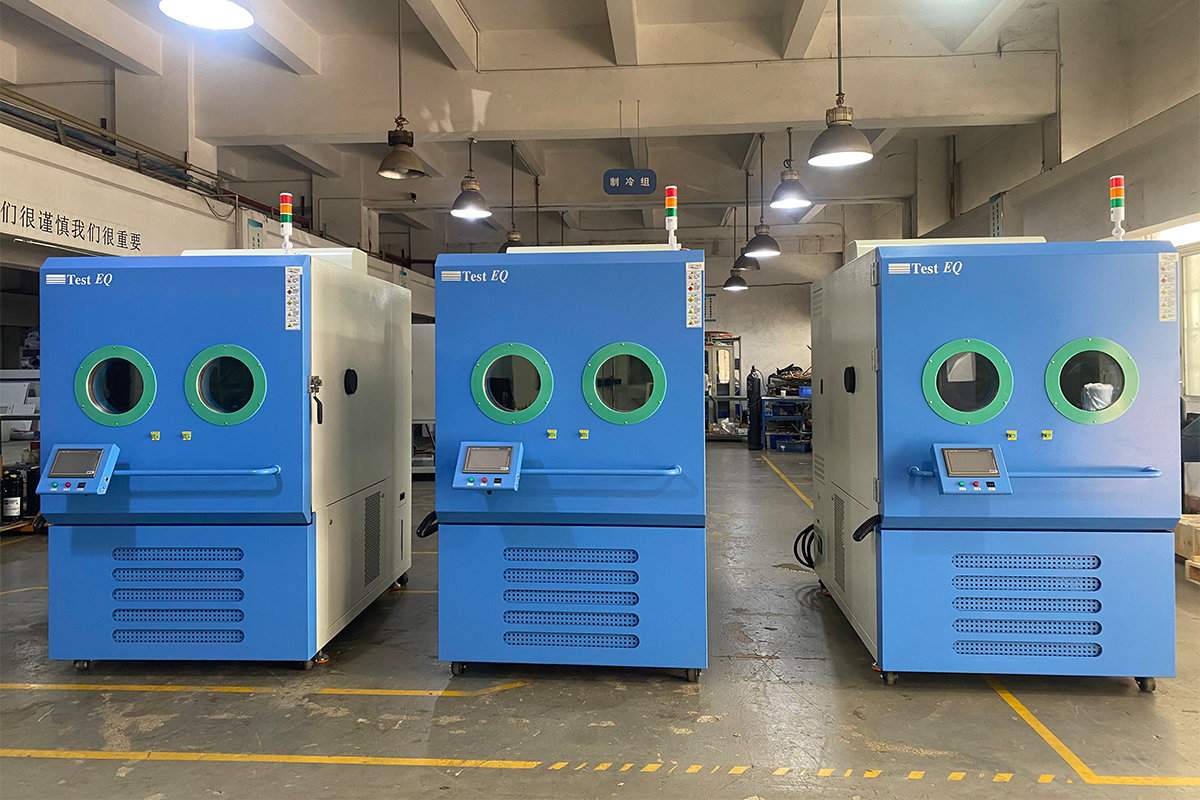
1. Thermal Vacuum Test Standard Overview
A thermal vacuum test standard defines:
Required vacuum level (10⁻³ to 10⁻⁶ mbar)
Temperature range and cycling profile
Outgassing limits and contamination control
Test duration and acceptance criteria
These standards ensure that components can survive space, high-altitude, and extreme military environments.
2. NASA Thermal Vacuum Test Requirements
Standards from NASA are widely considered the global benchmark.
Key Parameters:
Vacuum: ≤ 1×10⁻⁵ torr
Thermal cycling: multi-cycle validation
Outgassing: ASTM E595 compliance
Stability: long-duration operation
NASA thermal vacuum test standards are essential for satellite qualification, payload validation, and deep space missions.
3. ECSS Thermal Vacuum Standards
The ECSS framework ensures standardized testing across Europe.
Core Standards:
ECSS-Q-ST-70-02 (Outgassing)
ECSS-E-ST-10 (Engineering)
ECSS-Q-ST-20 (Quality)
Feature:
High consistency
Traceable testing process
Uniform standards for multi-country projects
ECSS thermal vacuum standard is widely used in ESA programs and international aerospace collaborations.
4. MILT VAC Testing Standards
MILT VAC standards are designed for extreme durability and battlefield reliability.
Requirements:
Thermal shock under vacuum
Extended lifecycle testing
MILT VAC testing is critical for:
Defense electronics
Avionics
Missile systems
5. NASA vs ECSS vs MILT VAC
| Standard | Vacuum Level | Focus | Application |
|---|---|---|---|
| NASA | Ultra-high | Precision & mission safety | Space |
| ECSS | High | Standardization | Europe aerospace |
| MILT VAC | Medium–High | Durability | Military |
6. Thermal Vacuum Chamber Requirements:
To meet thermal vacuum test standards, a chamber must include:
High-vacuum pumping system
Thermal shroud (radiation simulation)
Low outgassing materials
Precision temperature control
A non-compliant chamber can result in test failure, certification delay, and mission risk.
7. Why TestEQ:
TestEQ thermal vacuum chambers are engineered for NASA, ECSS, and MILT VAC compliance.
Core Advantages:
Vacuum capability down to 10⁻⁶ mbar
Wide temperature range (-70°C to +150°C+)
Custom chamber size for satellite or component testing
Stable long-duration operation
Designed for:
Aerospace manufacturers
Defense contractors
Research laboratories
8. Procurement Decision Guide
Before purchasing a thermal vacuum chamber, consider:
Required standard (NASA / ECSS / MILT VAC)
Chamber size and payload
Vacuum level and pumping speed
Temperature uniformity
This directly impacts:
Certification success
Testing efficiency
ROI
Internal Linking Module
Recommended Equipment
Designed for NASA, ECSS and aerospace qualification testing with vacuum levels down to 10⁻⁷ mbar and thermal cycling under vacuum conditions. Ideal for satellite, spacecraft and high-reliability electronics validation.
Customizable TVAC chamber engineered for long-duration aerospace testing, thermal balance studies and vacuum qualification programs. Supports aerospace, defense and research laboratory applications.
Related Standards
Comprehensive guide to IEC 60068 environmental testing methods including temperature, humidity, vibration and thermal cycling requirements used across electronics, aerospace and automotive industries.
Learn MIL-STD-810 thermal shock testing requirements, validation methods and chamber selection criteria for military, aerospace and high-reliability products.
Related Resources
Understand how thermal vacuum chambers simulate space environments using high vacuum and extreme temperature control for aerospace qualification testing.
Detailed engineering guide covering TVAC principles, applications, chamber selection and thermal vacuum testing best practices for aerospace and semiconductor industries.
9.FAQ
What is a thermal vacuum test standard?
A thermal vacuum test standard defines how equipment is tested under vacuum and extreme temperature conditions to simulate space environments.
What vacuum level is required for NASA testing?
Typically ≤ 10⁻⁵ torr, depending on mission requirements.
What is the difference between ECSS and NASA standards?
NASA focuses on mission validation, while ECSS emphasizes standardization across European projects.
10.CTA
Need a Thermal Vacuum Test Solution?
Whether you are performing satellite qualification, aerospace component validation, or space simulation testing, TestEQ provides customized thermal vacuum chambers designed to meet NASA, ECSS, MIL-STD and commercial aerospace requirements.
"Contact TestEQ today for:"engineers today to discuss your testing specifications and receive a customized solution recommendation.
Custom engineering solutions
Fast quotation
Technical consultation