Automotive Interior Fogging Testing: Why Compliance Matters for Global Vehicle Manufacturers
As automotive manufacturers continue to improve cabin air quality, passenger comfort, and material reliability, fogging testing has become an essential qualification process for interior components.
Materials such as dashboards, door panels, adhesives, coatings, plastics, leather, rubber, and textile components can release volatile organic compounds (VOCs) under elevated temperatures. These emissions may condense on glass surfaces, causing windshield haze, reduced visibility, unpleasant odors, and potential compliance issues.
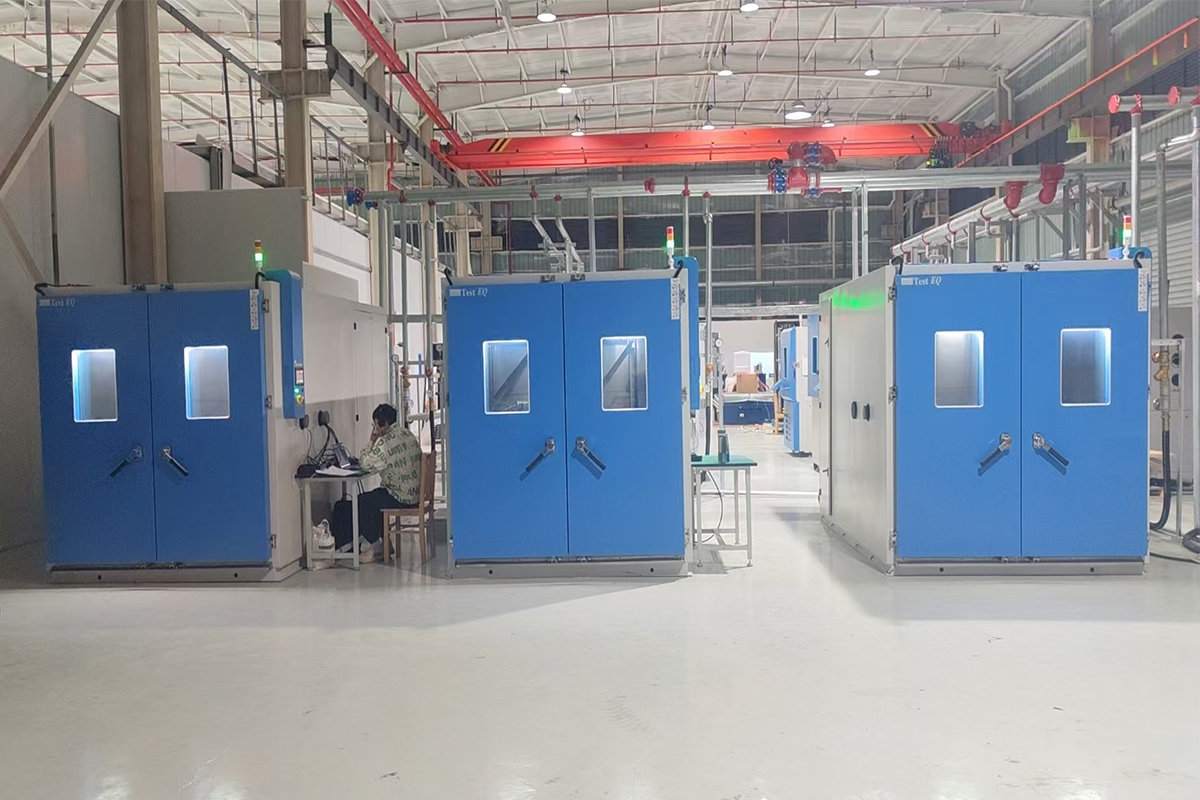
To address these challenges, automotive OEMs and Tier 1 suppliers rely on internationally recognized standards including DIN 75201, ISO 6452, and SAE J1756. TestEQ's Automotive Fogging Test Chamber is engineered to help laboratories achieve accurate, repeatable, and standards-compliant testing results.
What Is Automotive Fogging Testing?
Automotive fogging testing evaluates the tendency of interior materials to release volatile substances when exposed to elevated temperatures.
During testing, a material specimen is heated under controlled conditions. The evaporated substances condense onto a cooled surface, where the amount of condensate is measured using either:
Reflectometric Method
Gravimetric Method
Haze Measurement Method
The results help manufacturers determine whether interior materials meet automotive quality requirements before vehicle production.
Fogging testing is widely used for:
Instrument panels
Automotive plastics
PU foam materials
Decorative trims
Leather components
Rubber products
Adhesives and sealants
Textile and carpet materials
Key Testing Standards Supported
DIN 75201 Fogging Test
DIN 75201 is one of the most widely adopted automotive fogging standards globally.
It evaluates the fogging characteristics of materials used inside passenger compartments and is commonly specified by German automotive manufacturers.
ISO 6452 Fogging Test
ISO 6452 provides an internationally standardized method for determining condensable emissions from vehicle interior materials.
The standard is frequently required for global vehicle development programs and supplier qualification projects.
SAE J1756 Testing
SAE J1756 establishes fogging evaluation methods commonly used by North American automotive manufacturers and suppliers.
The standard helps assess material suitability for windshield visibility and interior air quality requirements.
Features of TestEQ Automotive Fogging Test Chamber
TestEQ develops high-precision environmental testing equipment designed for automotive laboratories, material manufacturers, research institutions, and quality control centers.
Precision Temperature Control
Stable heating system
Uniform temperature distribution
Accurate compliance with standard requirements
High Repeatability
Optimized chamber structure
Consistent testing conditions
Reliable comparison of material performance
User-Friendly Control System
Programmable touch-screen controller
Automatic test cycle operation
Real-time monitoring and data recording
Compliance-Oriented Design
Supports testing requirements based on:
DIN 75201
ISO 6452
SAE J1756
Laboratory Reliability
Durable stainless-steel construction
Long service life
Low maintenance requirements
Applications Across the Automotive Supply Chain
Automotive OEMs
Verify compliance of interior materials before vehicle launch.
Tier 1 and Tier 2 Suppliers
Qualify components according to customer specifications and automotive standards.
Material Manufacturers
Evaluate new formulations during product development.
Independent Testing Laboratories
Provide accredited testing services for automotive customers worldwide.
Why Choose TestEQ?
TestEQ specializes in environmental simulation and reliability testing equipment for automotive, electronics, aerospace, battery, and industrial applications.
Advantages include:
Customized chamber solutions
Engineering-focused technical support
International standard compliance
Fast project response
Global export experience
Reliable after-sales service
By combining precision temperature control, stable test performance, and standards-based design, TestEQ helps laboratories generate dependable fogging test data for product qualification and regulatory compliance.
Conclusion
As vehicle manufacturers place greater emphasis on cabin air quality, occupant safety, and material reliability, automotive fogging testing continues to play a critical role in material validation.
The TestEQ Automotive Fogging Test Chamber provides a dependable solution for conducting DIN 75201, ISO 6452, and SAE J1756 compliant testing, helping engineers and laboratories improve product quality while reducing development risks.
For organizations seeking accurate and repeatable fogging test results, TestEQ delivers a professional testing platform designed for modern automotive material evaluation.
Internal Linking Module
Recommended Equipment
This equipment is used to simulate the volatilization and condensation behavior of automotive interior materials under different temperature and humidity conditions. It is an important device for pretreatment and material comparison verification in Fogging tests.
Suitable for testing the volatility stability of materials under high and low temperature cycling conditions, and can be used in conjunction with a Fogging Test Chamber for reliability verification analysis.
Testing Standards
IEC 60068 is a core international standard for environmental reliability testing, covering environmental testing methods for multiple factors such as temperature, humidity, and vibration. It is widely used in the automotive, electronics, and materials industries for verification.
AEC-Q101 is a crucial semiconductor reliability certification standard for the automotive electronics industry, used to verify the long-term stability of devices under temperature, humidity, and environmental stress.
Related Resources
This resource explains the accelerated aging principle of the HAST test under high temperature, high humidity, and high pressure conditions, making it an important reference method for reliability verification of automotive electronics and materials.
This resource provides a clear overview of the key environmental testing standards used for EV battery validation, including temperature cycling, humidity resistance, vibration, and combined stress testing. It explains how international standards such as IEC and automotive qualification requirements ensure battery safety, durability, and long-term performance under real-world operating conditions.
Frequently Asked Questions (FAQ)
1.What materials require fogging testing?
Common materials include plastics, rubber, leather, textiles, adhesives, sealants, coatings, and polyurethane foam used inside vehicle cabins.
2.What is the difference between DIN 75201 and ISO 6452?
DIN 75201 originated in Germany and is widely referenced by European OEMs, while ISO 6452 serves as an internationally harmonized testing standard.
3.Why is fogging testing important?
Fogging emissions can reduce windshield visibility, affect cabin air quality, and create customer complaints related to odors and appearance.
4.Which industries use fogging test chambers?
Primarily automotive manufacturers, material suppliers, testing laboratories, research institutes, and quality assurance centers.
5.Can TestEQ customize fogging testing equipment?
Yes. TestEQ provides customized environmental testing solutions based on specific standards, specimen sizes, and laboratory requirements.
6.How often should fogging chambers be calibrated?
Calibration intervals typically follow laboratory quality procedures and accreditation requirements, commonly performed annually.
CTA
Looking for a Reliable DIN 75201, ISO 6452 or SAE J1756 Fogging Test Chamber?
TestEQ designs and manufactures high-performance automotive fogging test chambers for material qualification, VOC emission evaluation, and interior component validation.
With extensive experience in environmental simulation testing equipment, we help automotive laboratories achieve accurate, repeatable, and standards-compliant testing results.
"Contact TestEQ" today and discover how our fogging testing solutions can support your next automotive reliability project.