Opening:
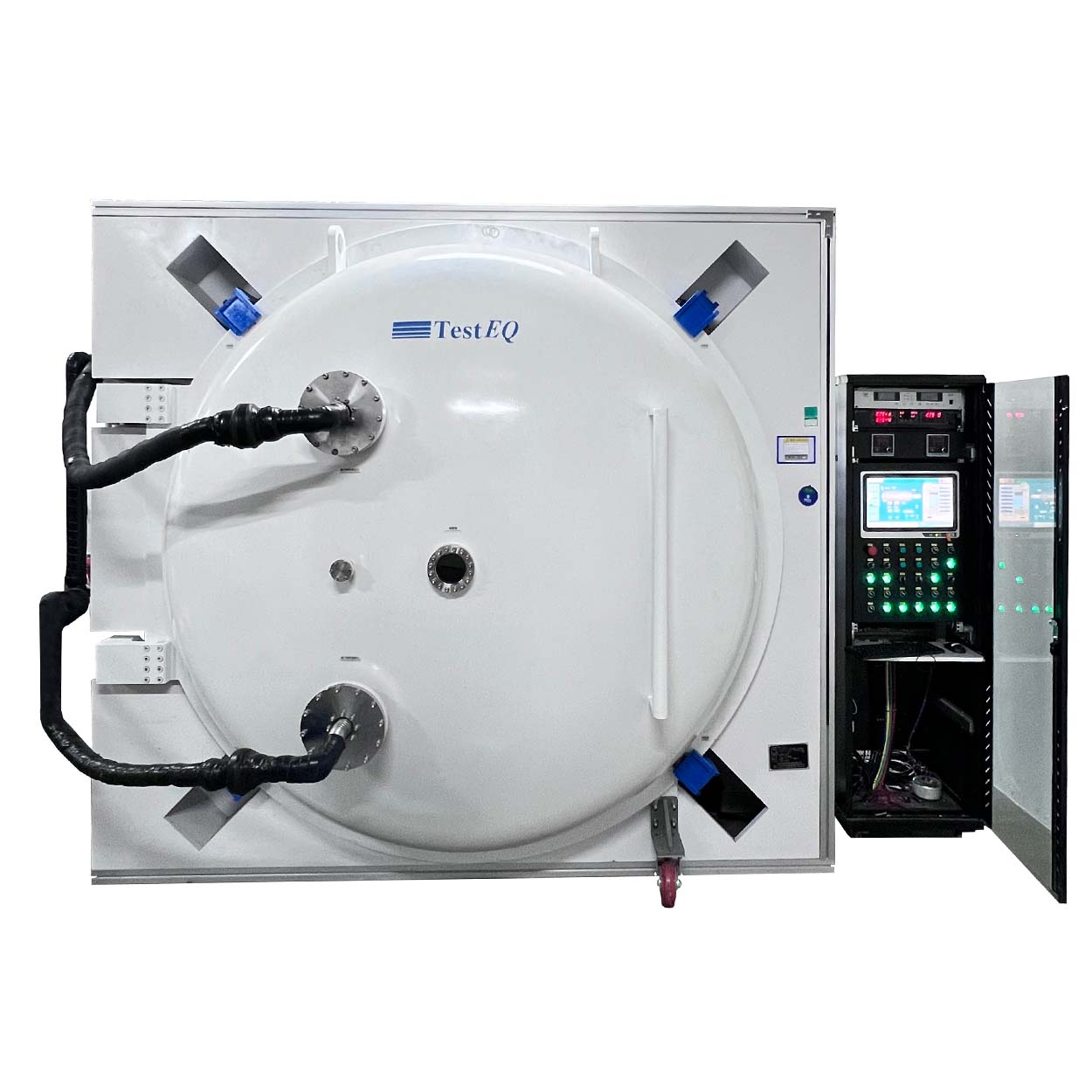
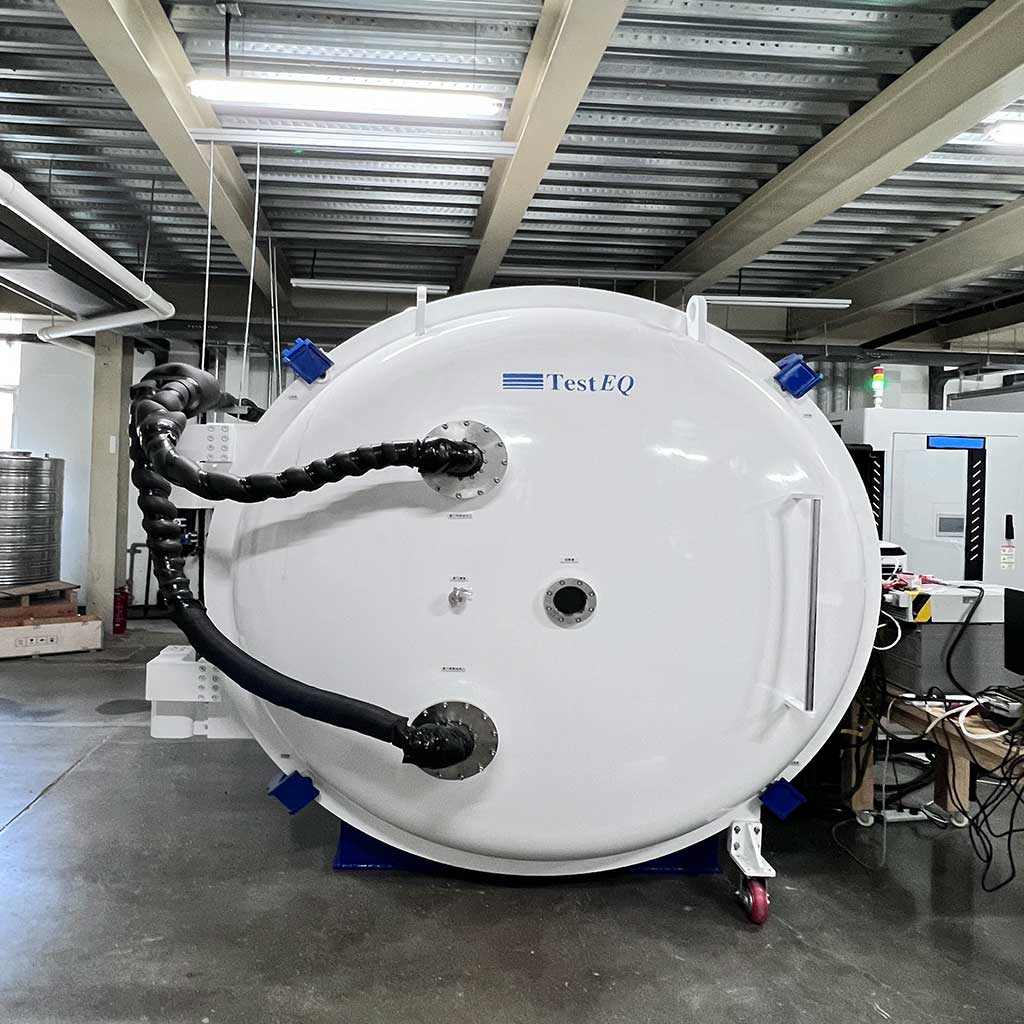
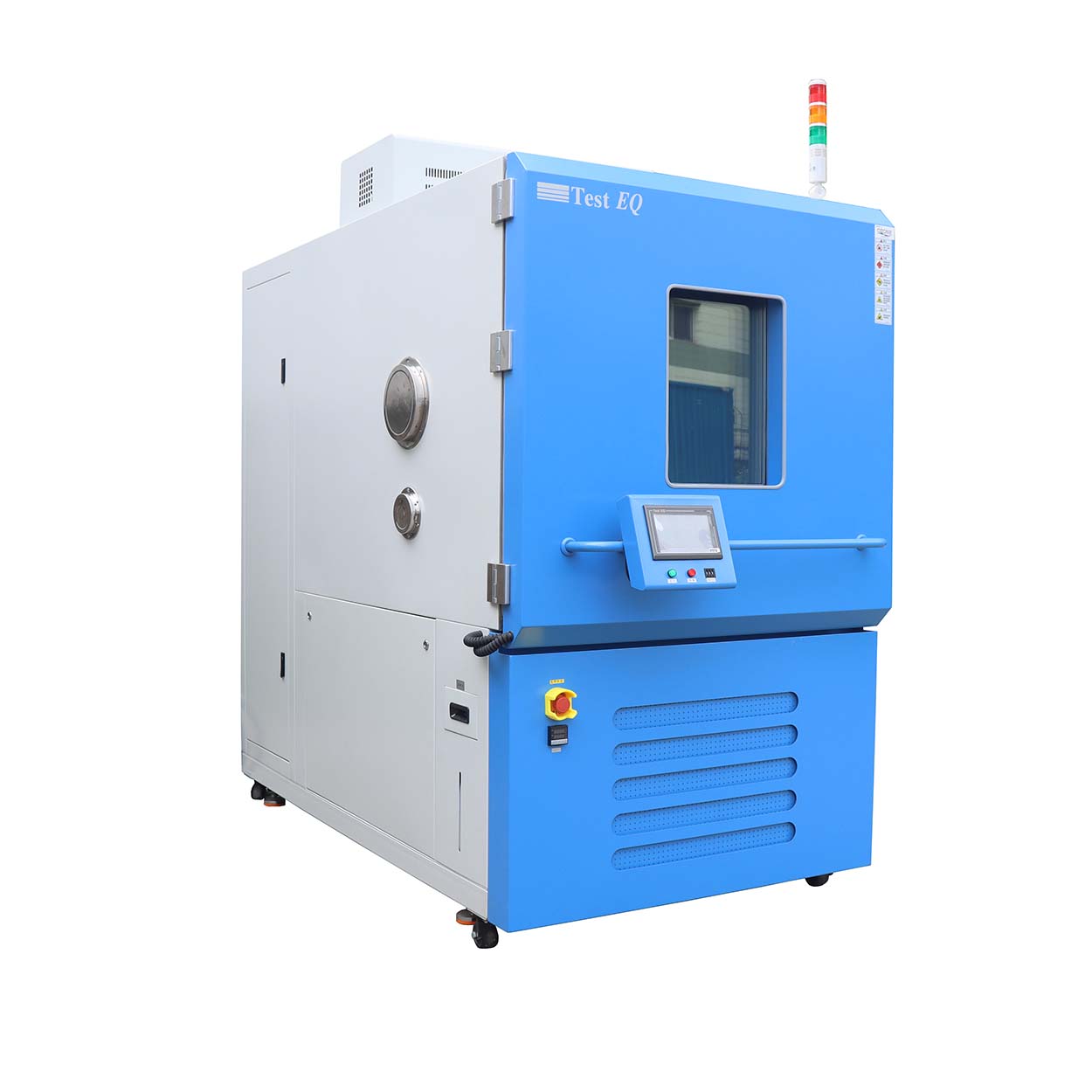
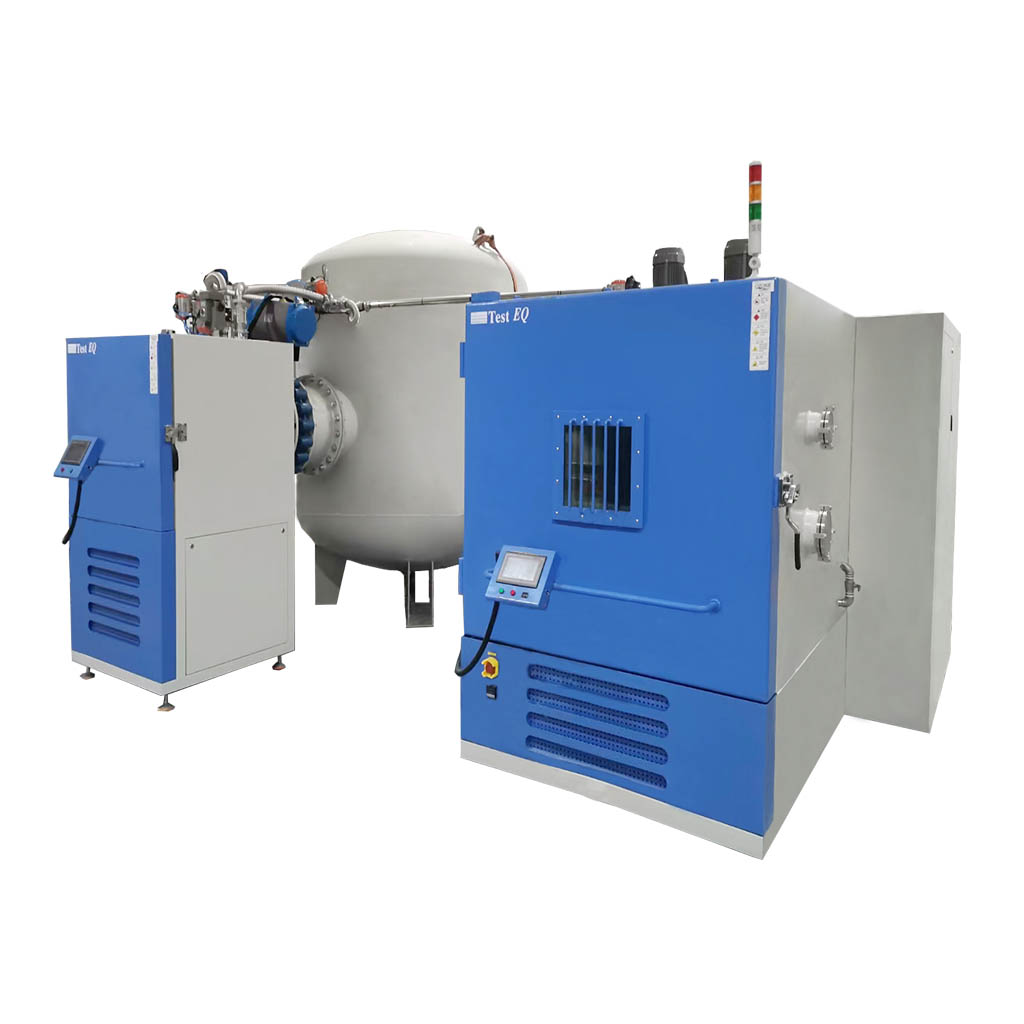
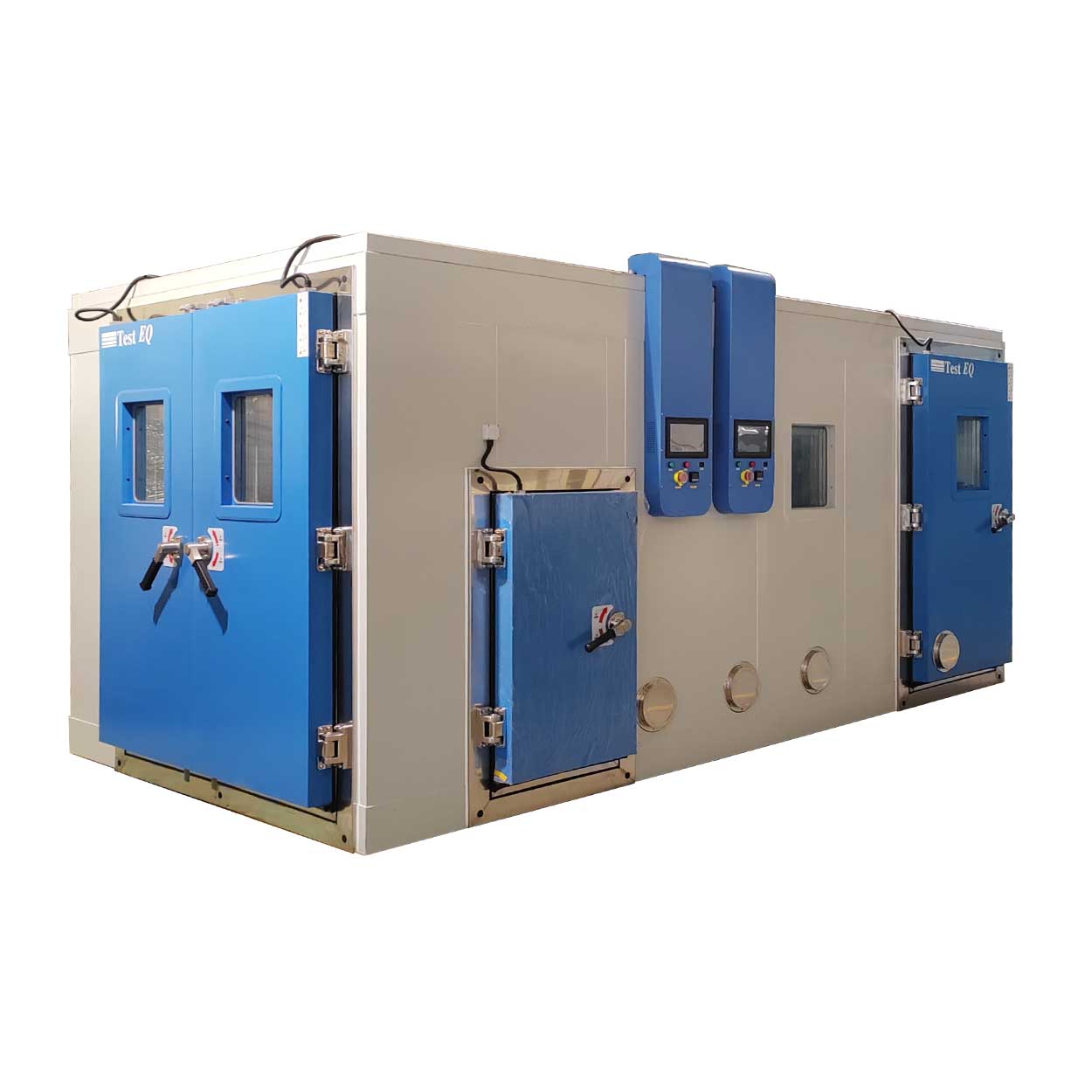
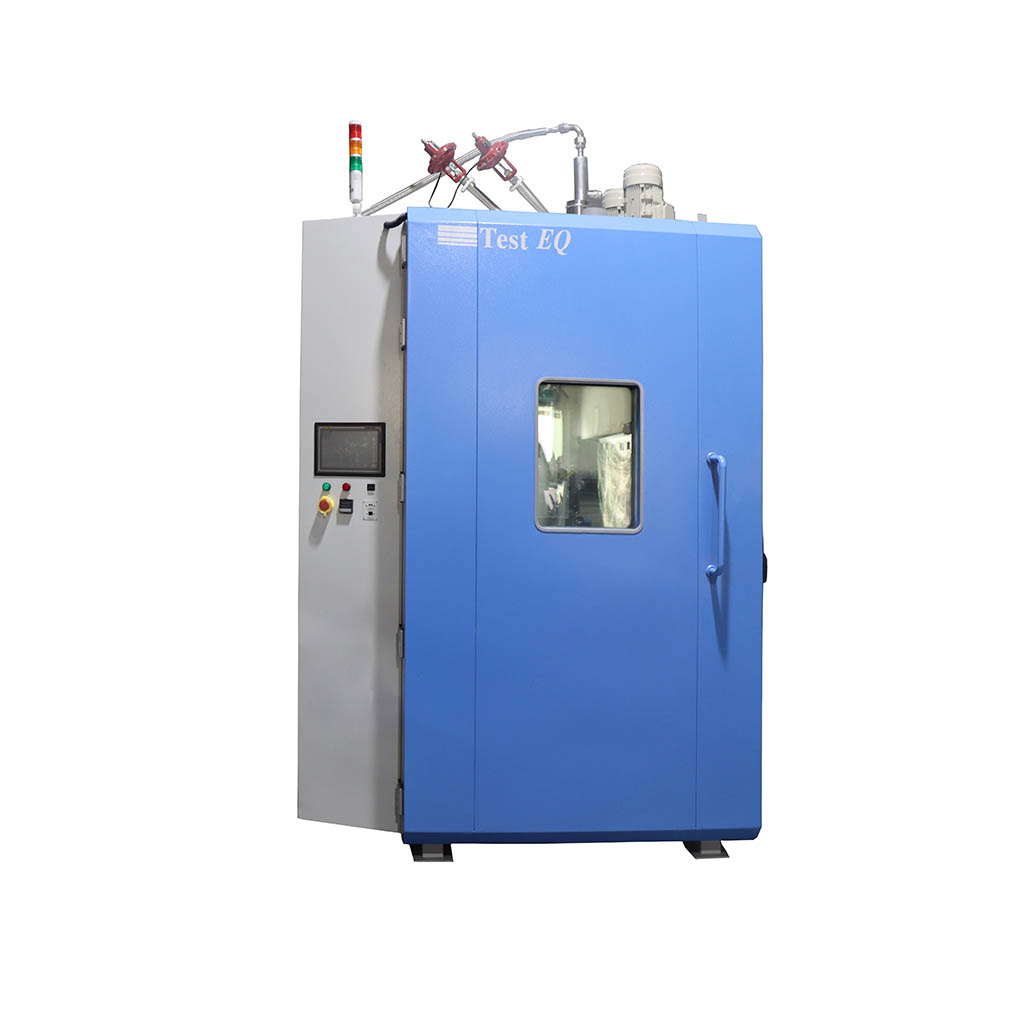
The Thermal Vacuum Test Chamber (TVAC) is designed to simulate the extreme conditions of outer space by combining high vacuum and wide temperature ranges in a controlled environment.
By recreating vacuum conditions and thermal cycling simultaneously, it enables accurate testing of satellites, aerospace components, and high-reliability electronics before deployment. This testing is essential to ensure performance in space, where hardware must operate under high vacuum and extreme thermal fluctuations.
Working Principle:
The chamber combines:
Vacuum pumping system (to achieve ultra-low pressure)
Thermal shroud or cold plate (for temperature control)
Heating system (for high-temperature simulation)
Under vacuum conditions, heat transfer occurs mainly through radiation instead of convection, accurately replicating space environments where air is absent.
Designed for Space Simulation Testing:
Thermal vacuum testing enables engineers to evaluate:
Thermal deformation of structures
Material outgassing behavior
Electronic performance under vacuum
Thermal balance and heat dissipation
This process is essential for pre-launch qualification of aerospace systems and ensures mission reliability.
Thermal Vacuum vs Thermal Cycling:
| Feature | Thermal Vacuum | Thermal Cycling |
|---|
| Environment | Vacuum + temperature | Air environment |
| Heat Transfer | Radiation | Convection |
| Application | Space & aerospace | Electronics |
| Standard | ECSS / MIL-STD-1540 | JESD22 |
Why Choose TestEQ:
Expertise in advanced environmental simulation systems
Proven solutions for aerospace & high-end laboratories
Stable vacuum and thermal control technology
Custom engineering for complex testing requirements
Reliable performance under extreme conditions
Optional Configurations
Liquid nitrogen cooling (LN₂ boost to -190°C)
Solar radiation simulation system
Multi-zone thermal control
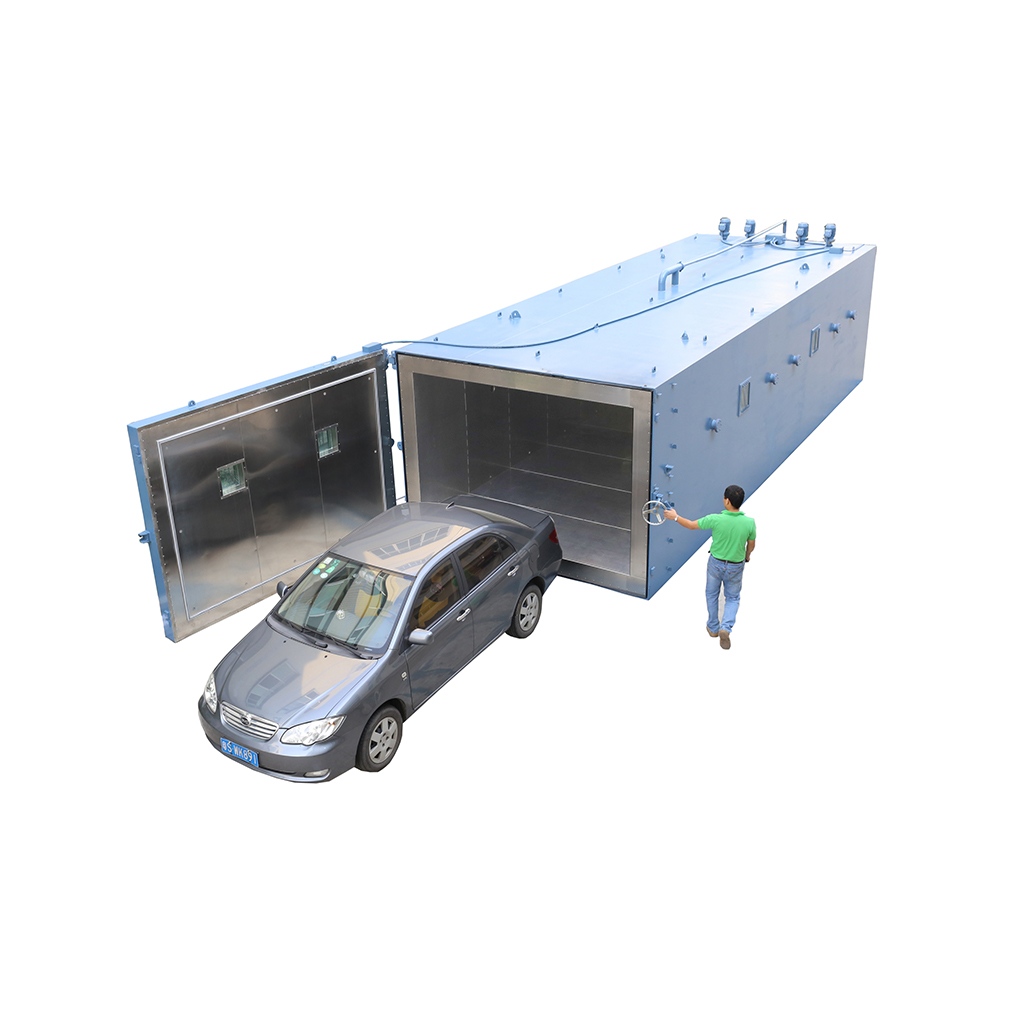
Large-scale customized chambers
Remote monitoring & data acquisition system
How to choose a thermal vacuum chamber?
Key factors include:
Standards Supported
1.Military:
•MIL-STD-810H (Method 501.7, 502.6), MIL-STD-1540E (Space Vehicle Requirements).
2.European Space:
•ECSS-E-ST-10-03C (Thermal Vacuum Testing), ECSS-Q-ST-70-02C (Contamination Control).
3.Commercial:
•NASA-HDBK-6022 (Materials Compatibility), ISO 14644-1 (Cleanroom Class 100–100,000).
4.Industry-Specific:
•GSFC-STD-7000 (Goddard Space Flight Center), JAXA-STD-003 (Japan Aerospace).
Internal Linking Module
Recommended Equipment
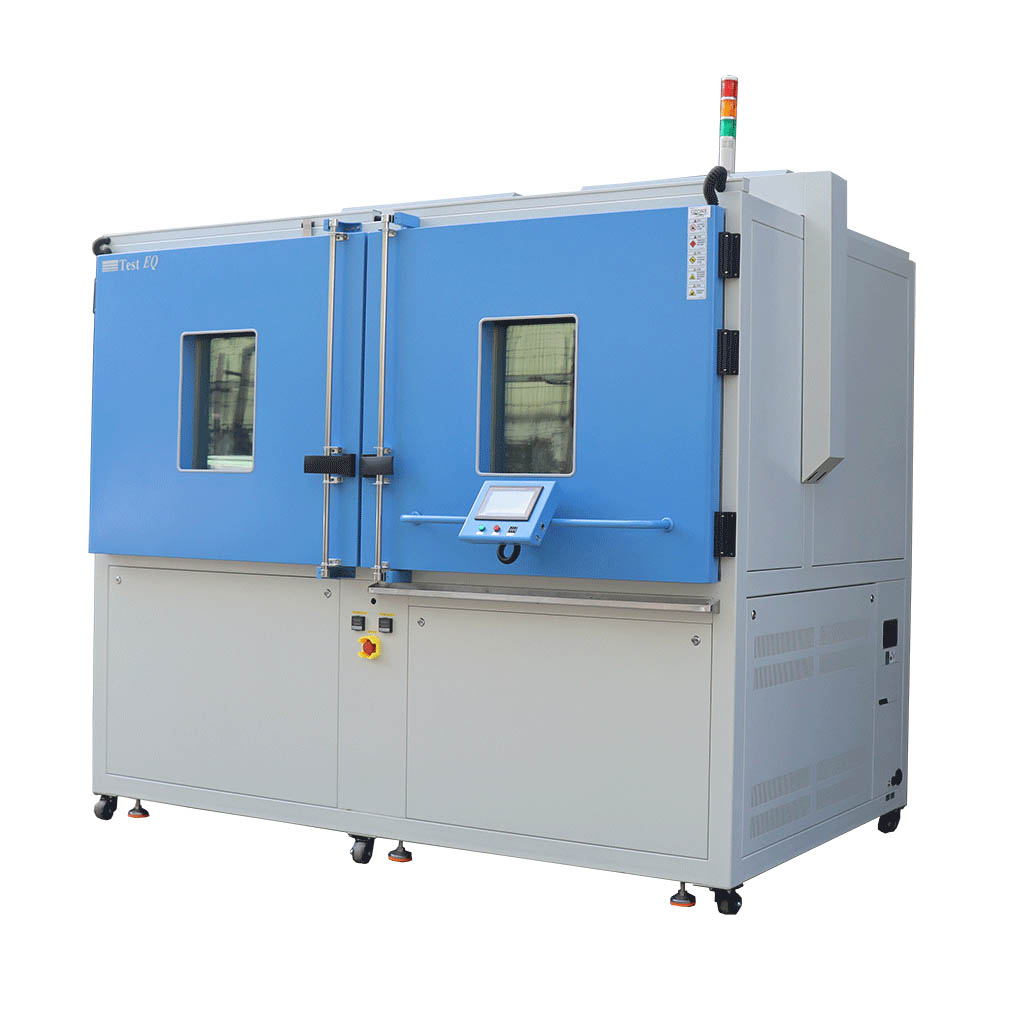
Applicable for spacecraft, satellite subsystems, aerospace electronics and long-duration qualification testing. Supports ultra-high vacuum and thermal cycling simulation under space conditions.
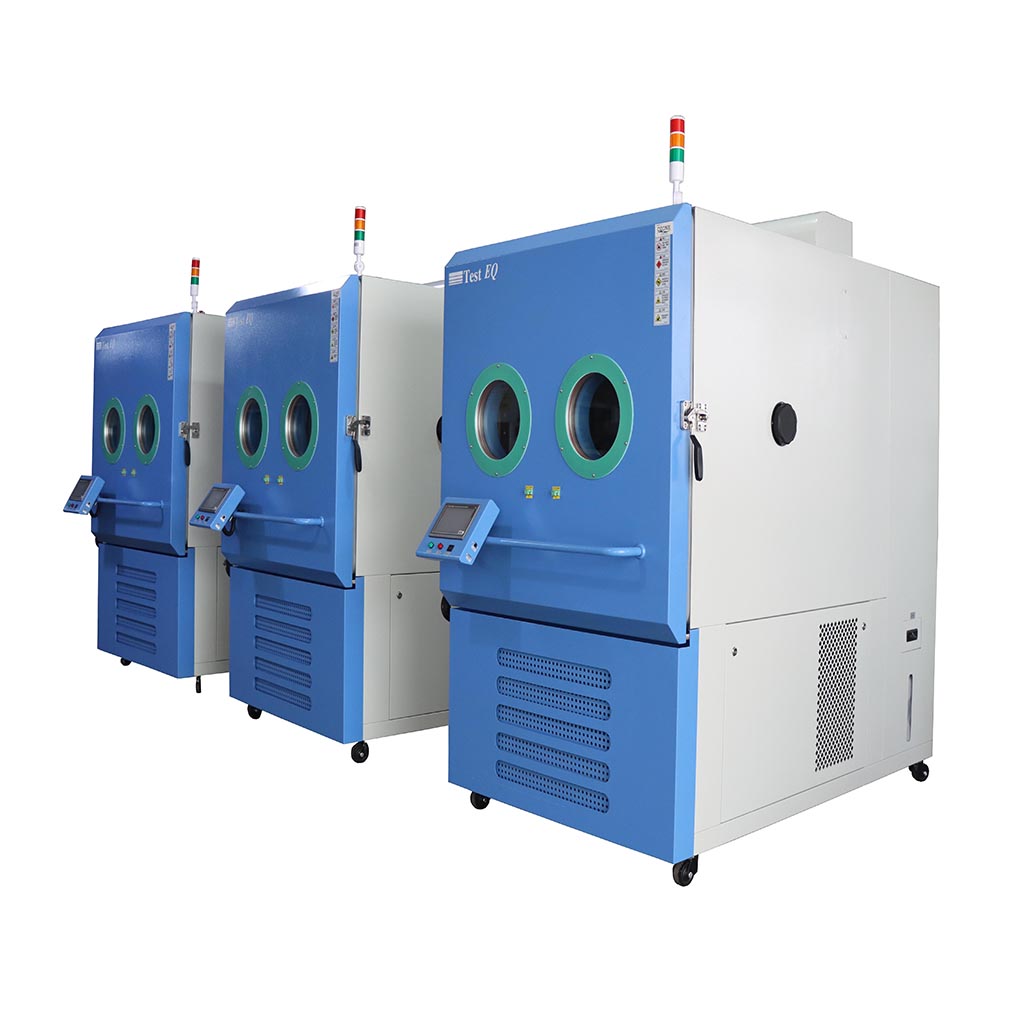
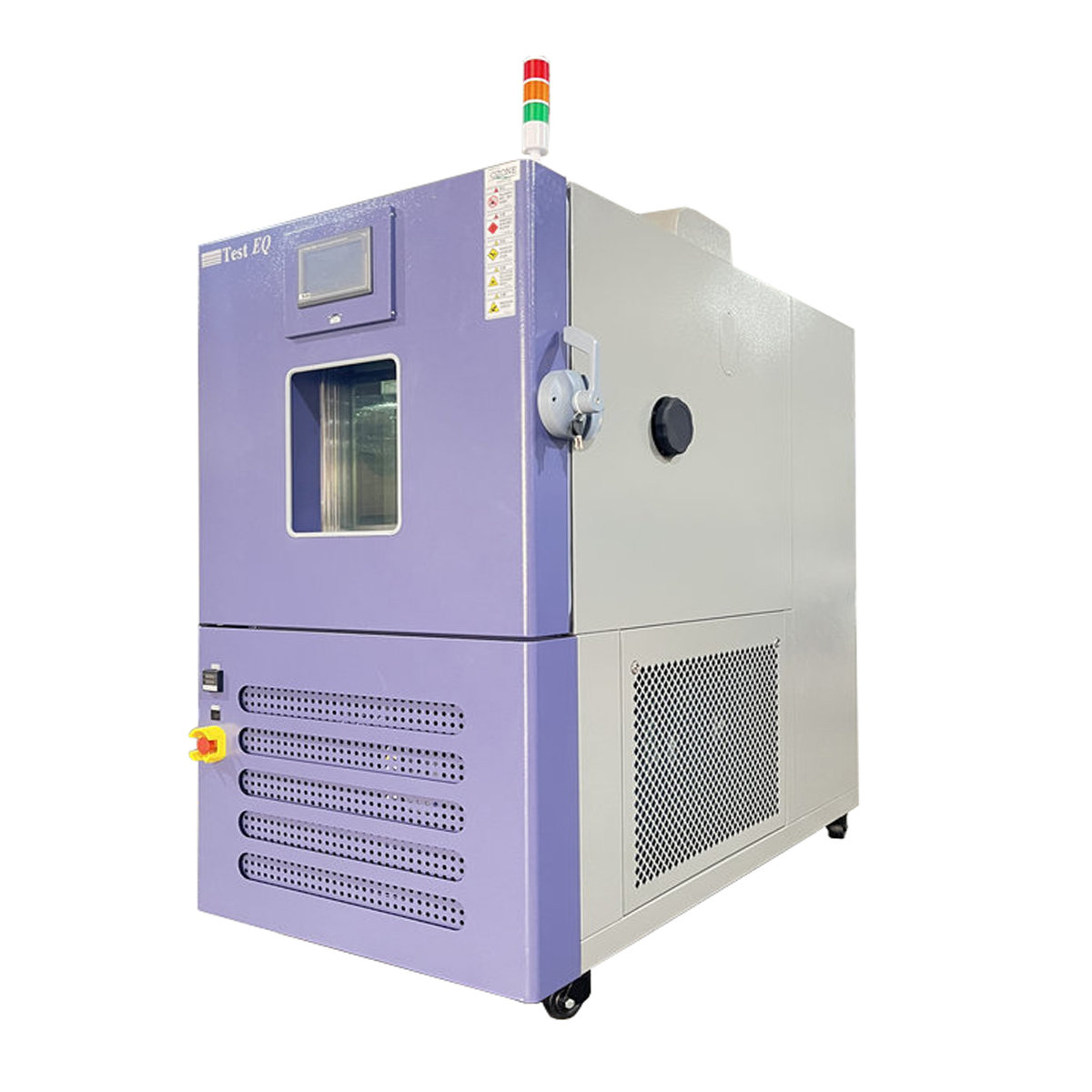
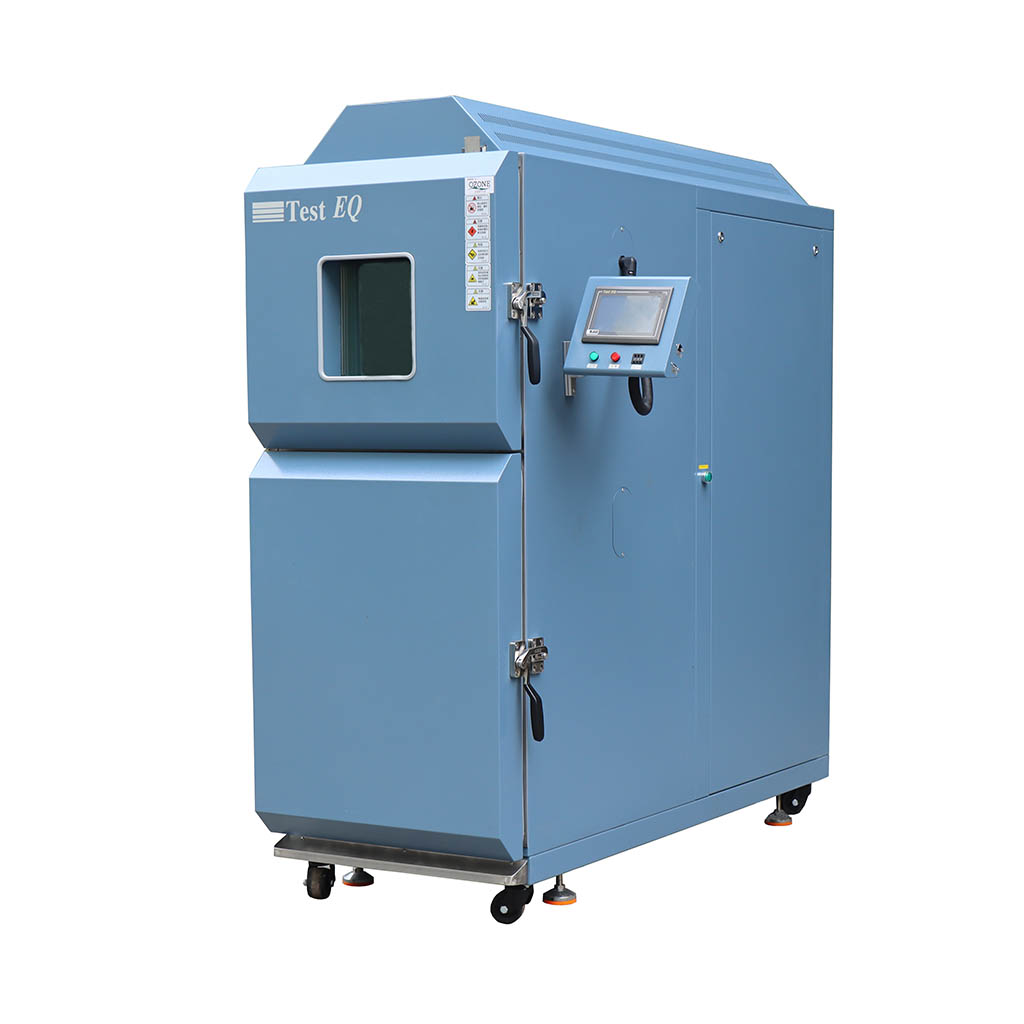
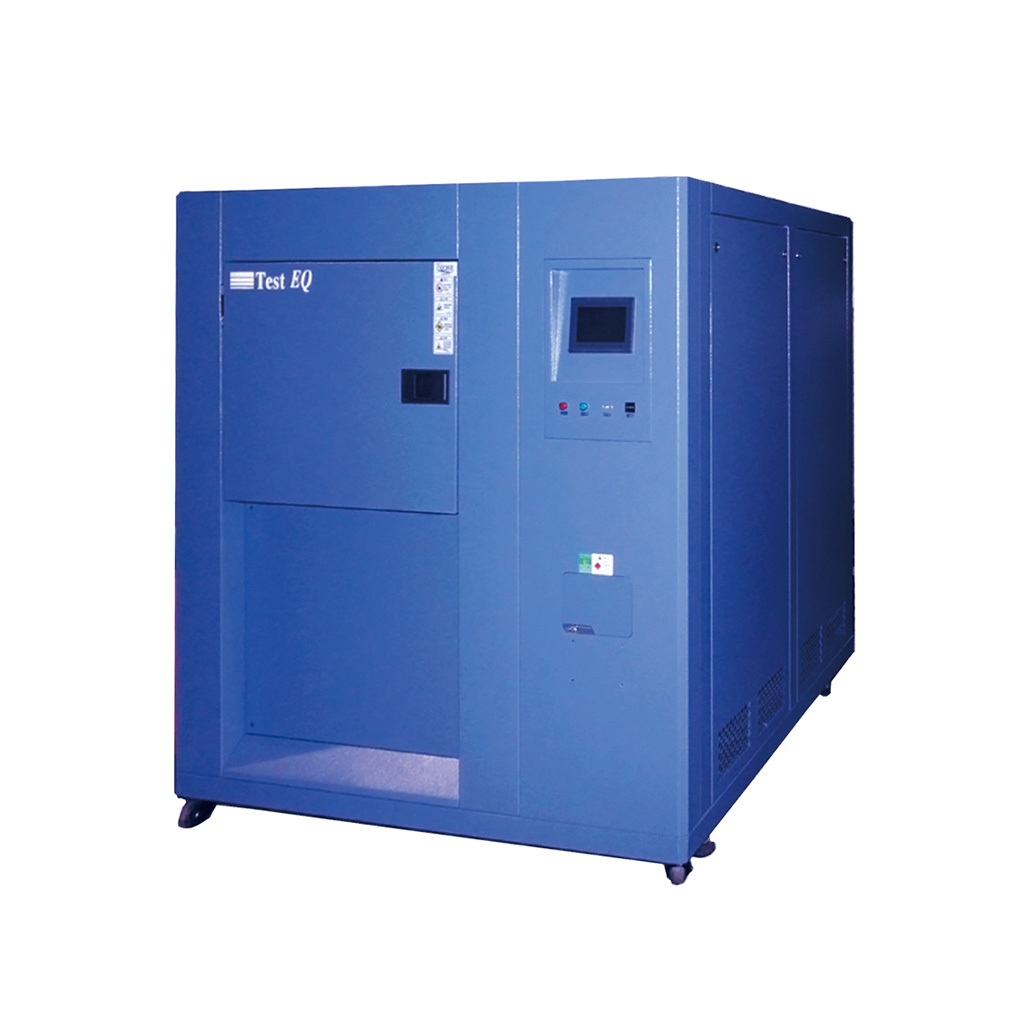
Ideal for evaluating thermal fatigue, solder joint reliability, electronic component durability and accelerated life testing under fast temperature transitions.
Related Standards
European Space Agency thermal vacuum testing standard used for spacecraft environmental qualification, thermal balance verification and mission reliability validation.
Learn how MIL-STD-810 environmental testing evaluates product durability through temperature, vibration, shock, humidity, and altitude testing to improve reliability in military, aerospace, and industrial applications.
Technical Resources
Learn how thermal vacuum testing simulates space environments, evaluates thermal balance, verifies material outgassing and validates aerospace hardware before launch.
Learn how TVAC and thermal vacuum chambers simulate space environments for satellites, spacecraft and aerospace electronics. Discover testing principles, industry applications, key specifications and practical selection criteria for mission-critical reliability validation.
FAQ:
What is a thermal vacuum test chamber?
A thermal vacuum chamber simulates space conditions by combining high vacuum and extreme temperature environments for reliability testing.
What is thermal vacuum testing used for?
It is mainly used for satellite, aerospace, and space electronics testing before launch.
What vacuum level is required for space simulation?
Typical thermal vacuum testing requires vacuum levels around 10⁻⁶ to 10⁻⁷ mbar depending on application.
What is the difference between thermal vacuum and thermal shock?
Thermal vacuum combines vacuum + temperature, while thermal shock focuses on rapid temperature change only.