Opening:
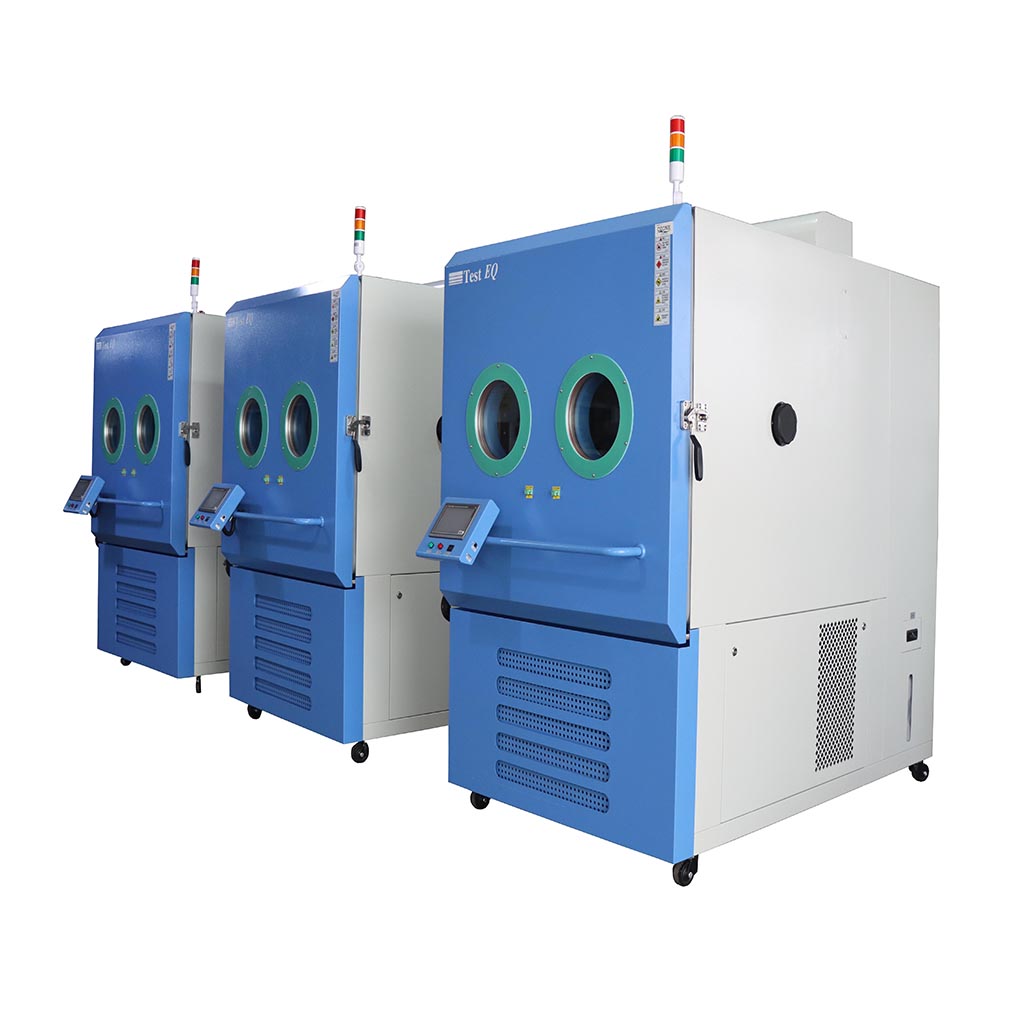
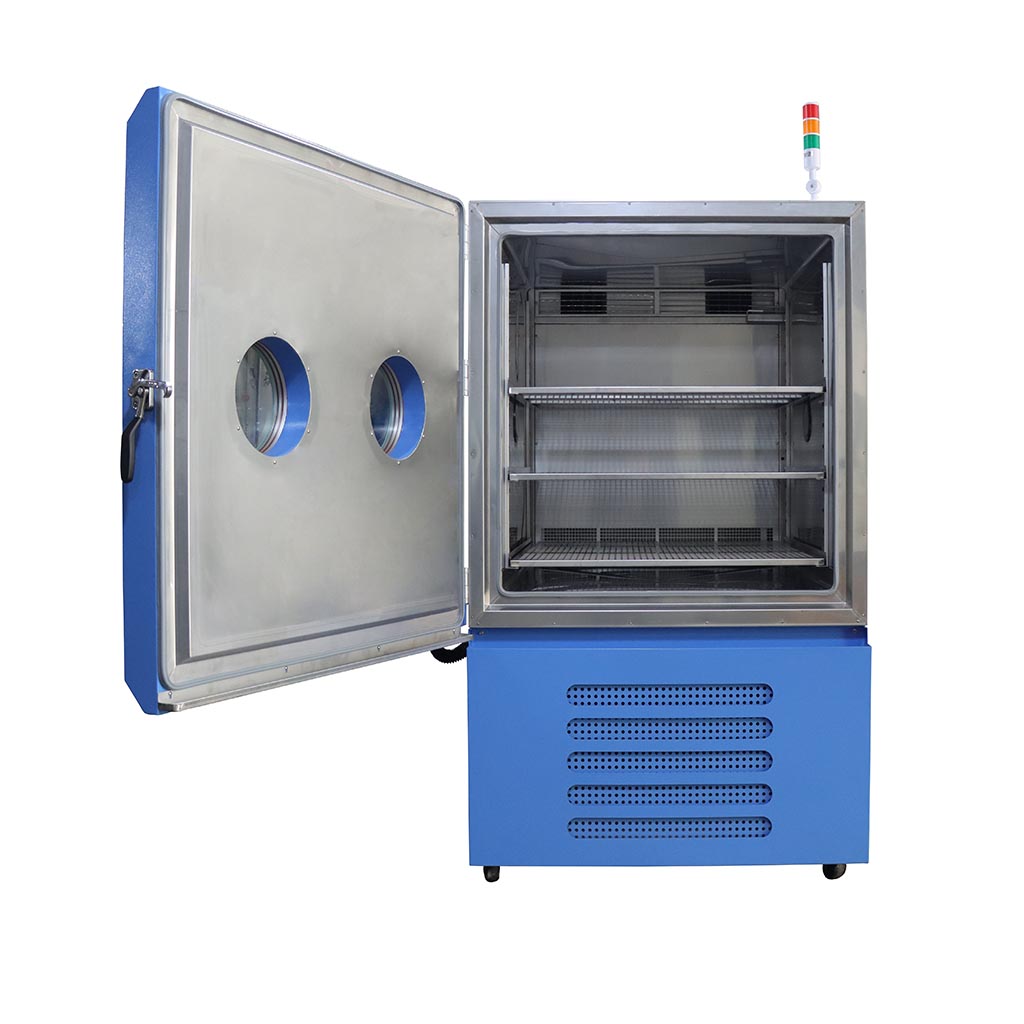
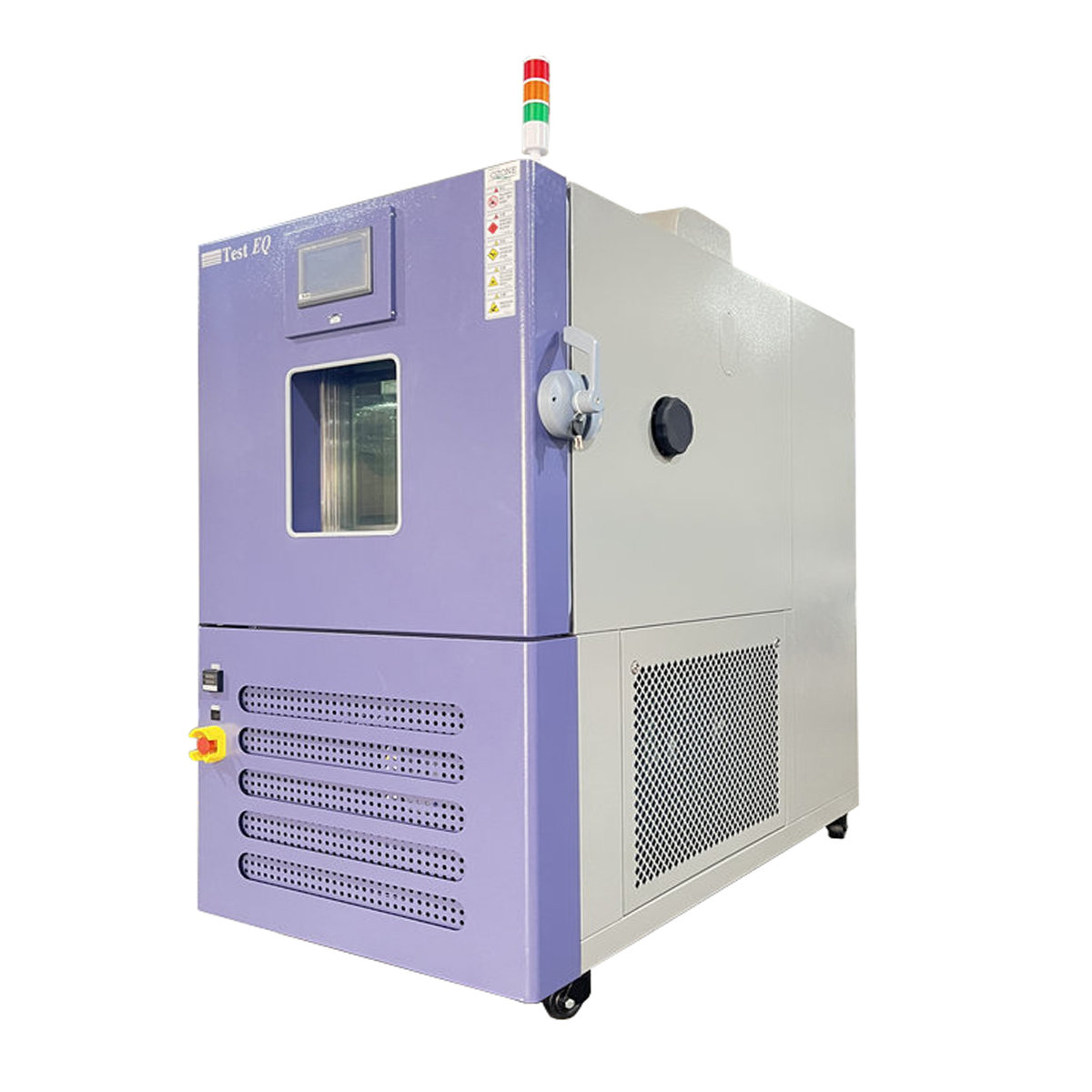
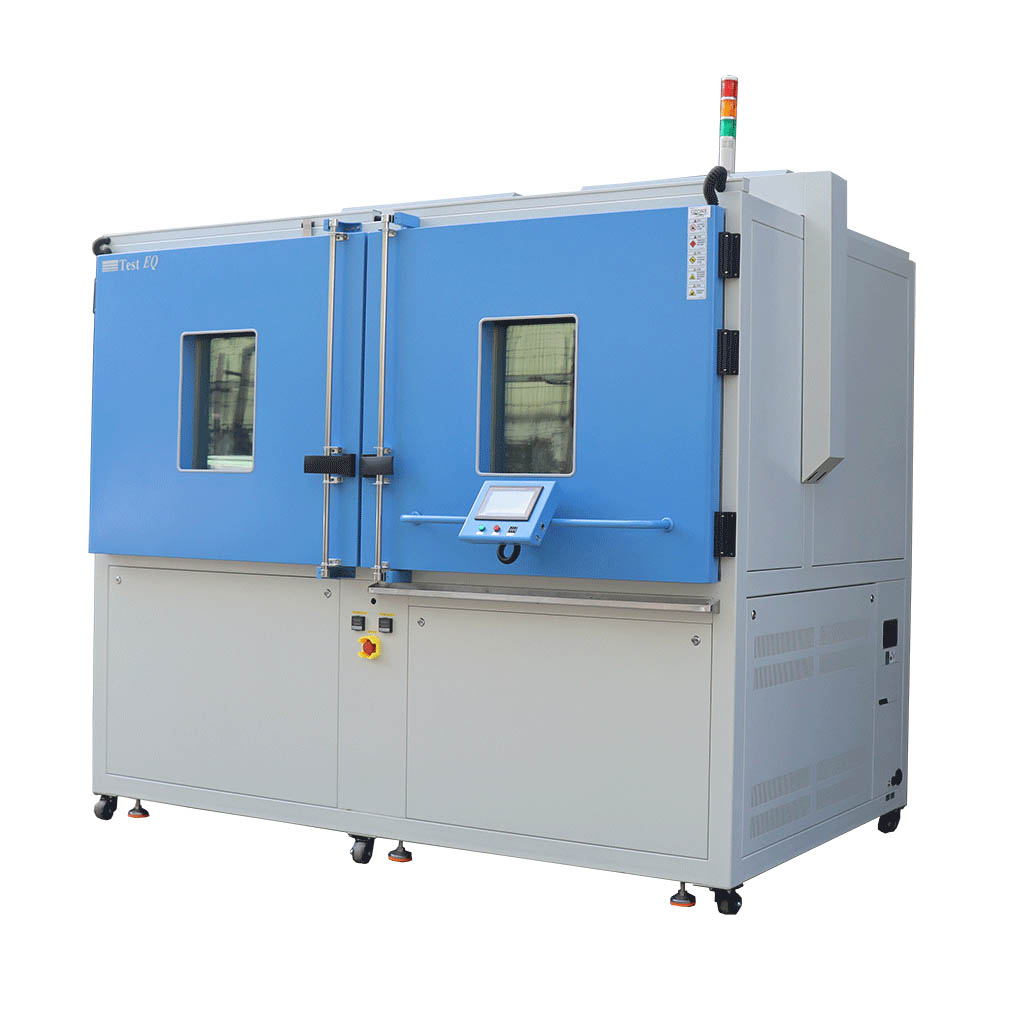
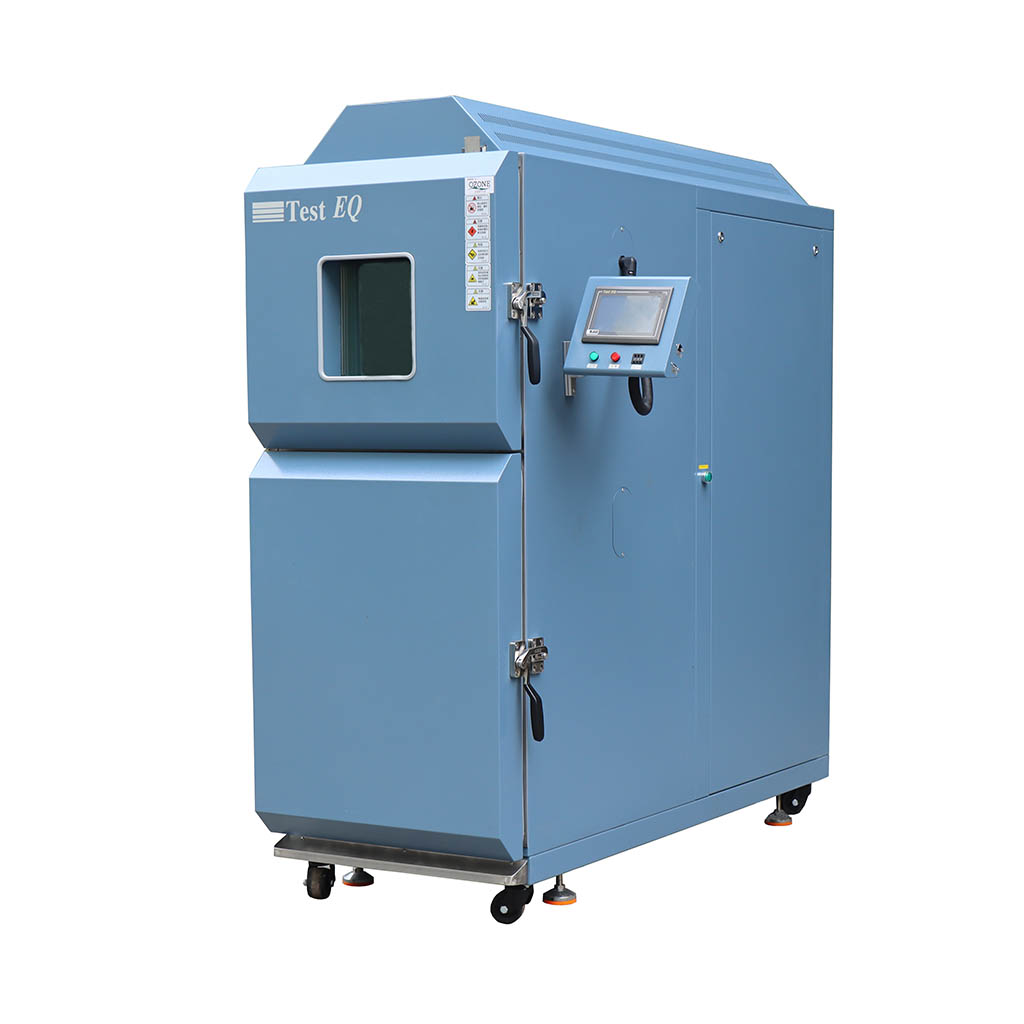
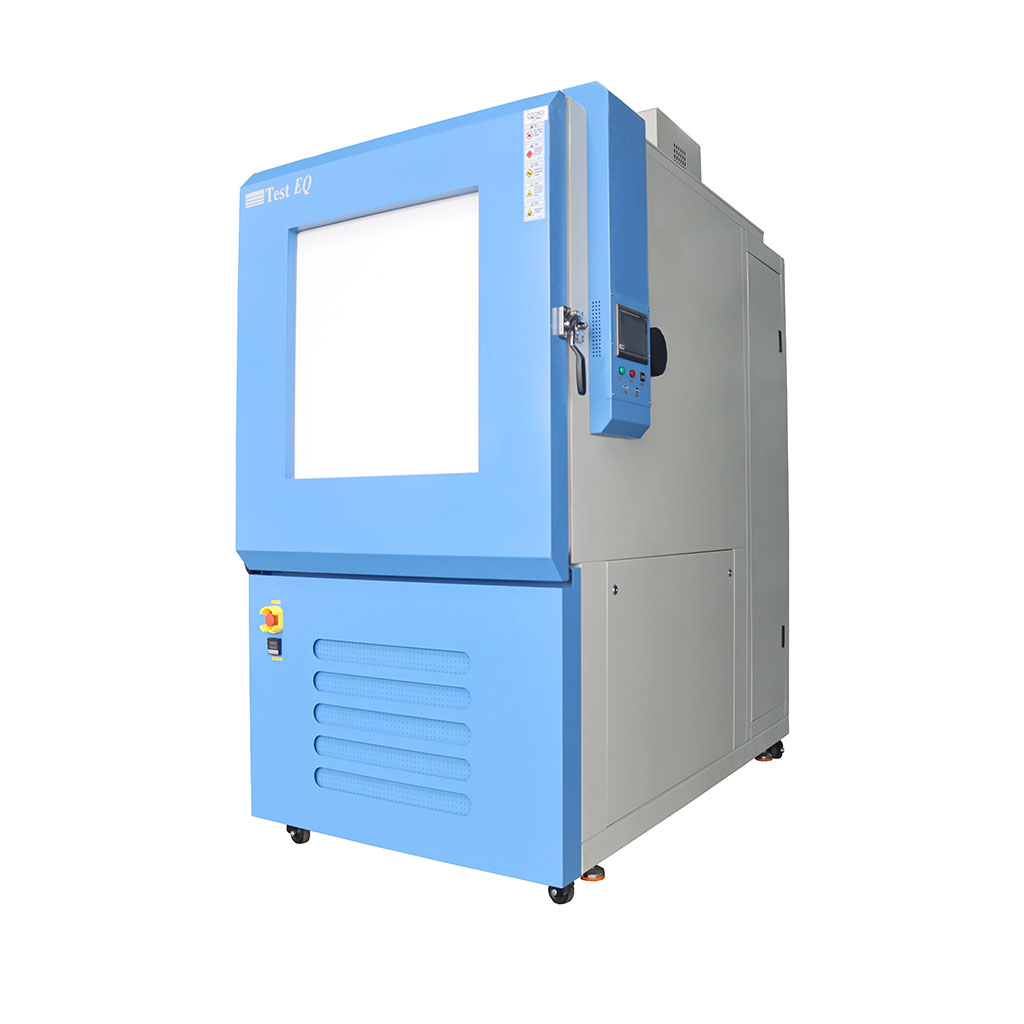
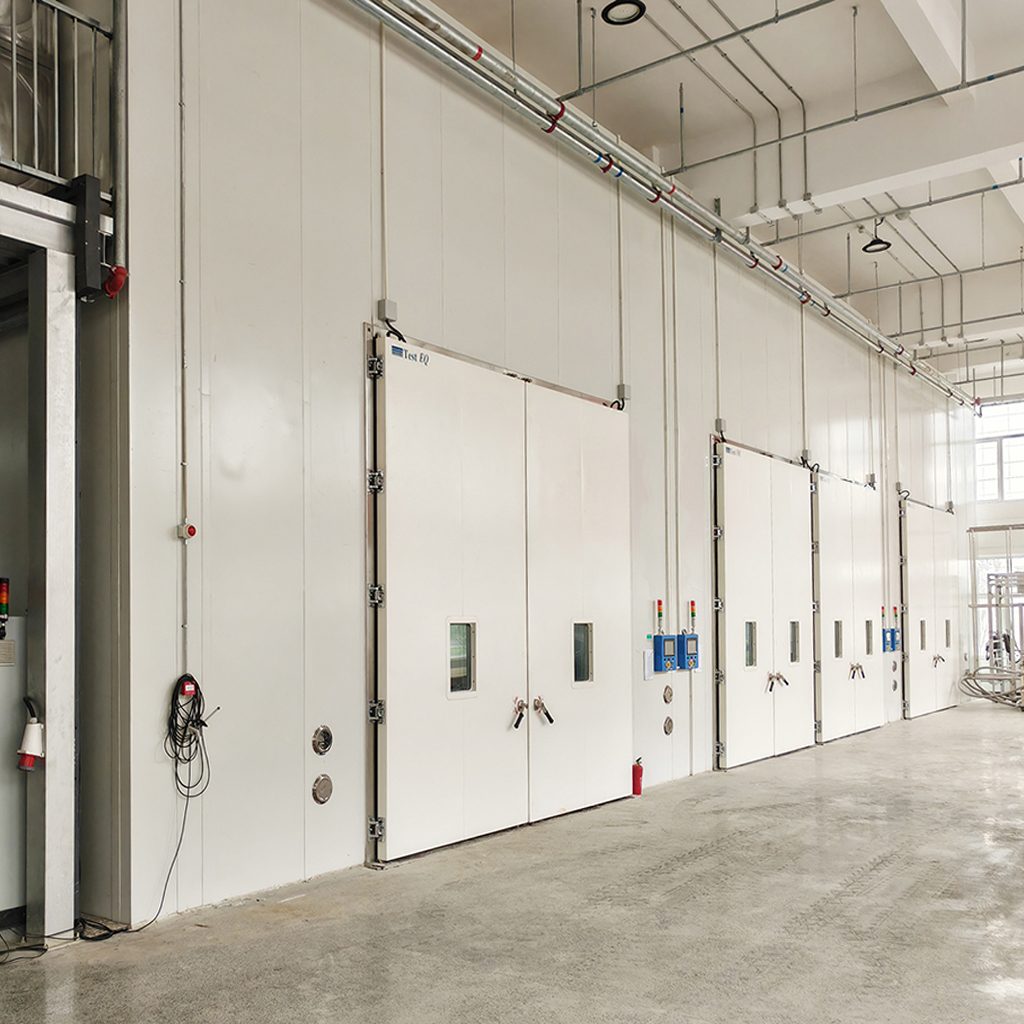
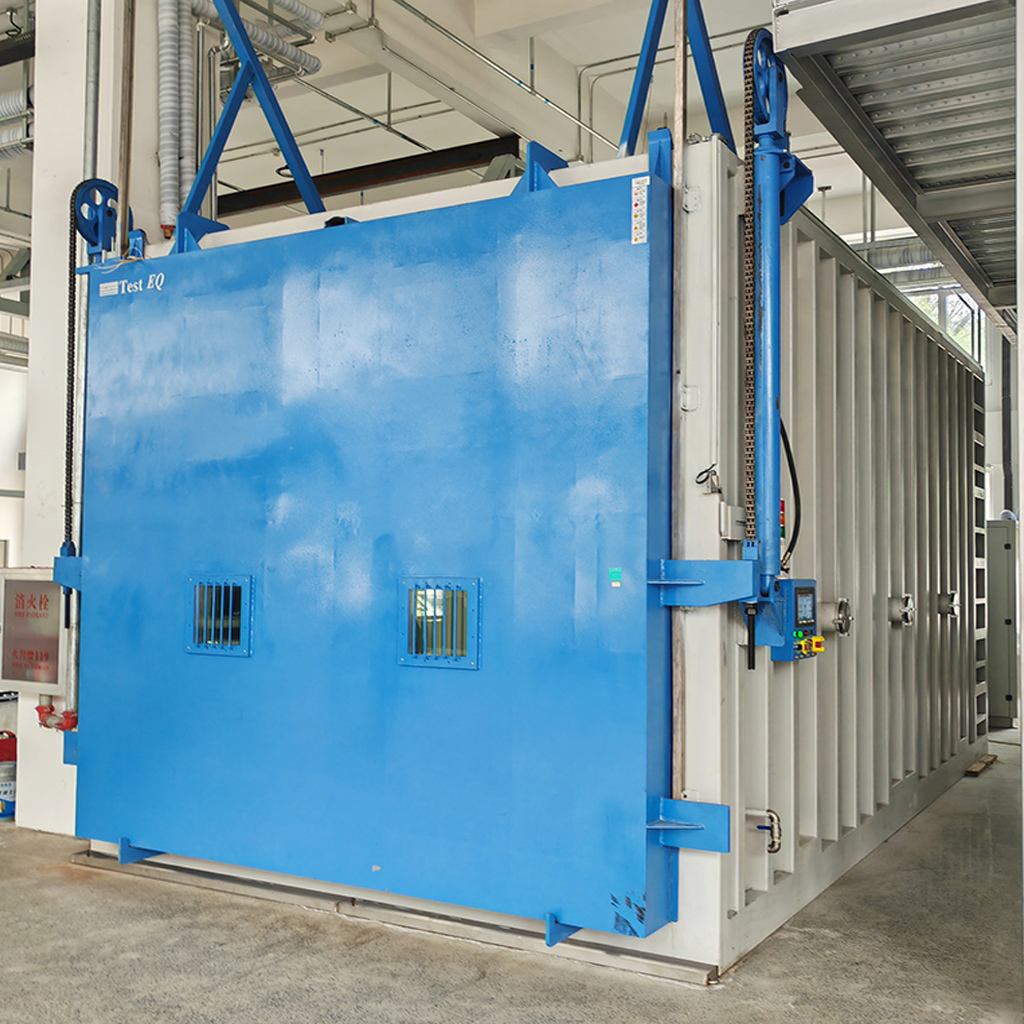
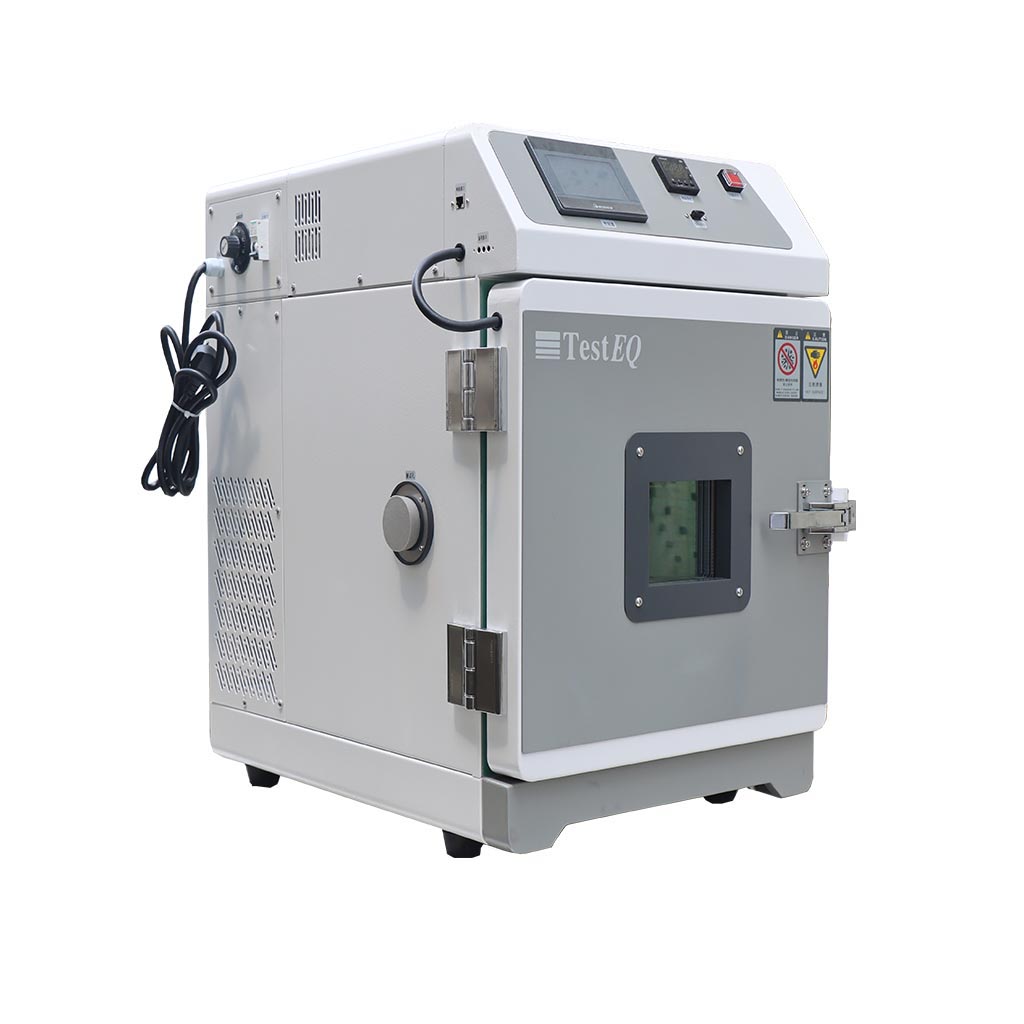
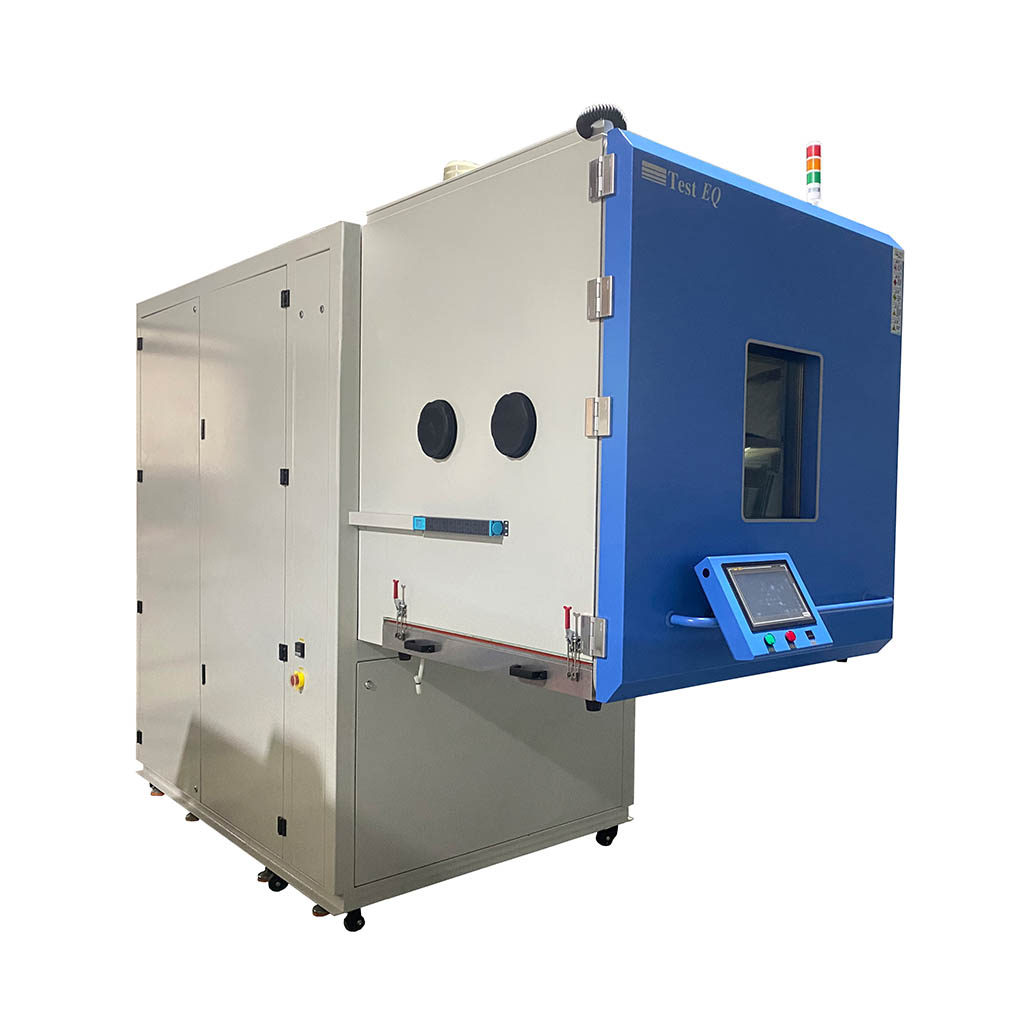
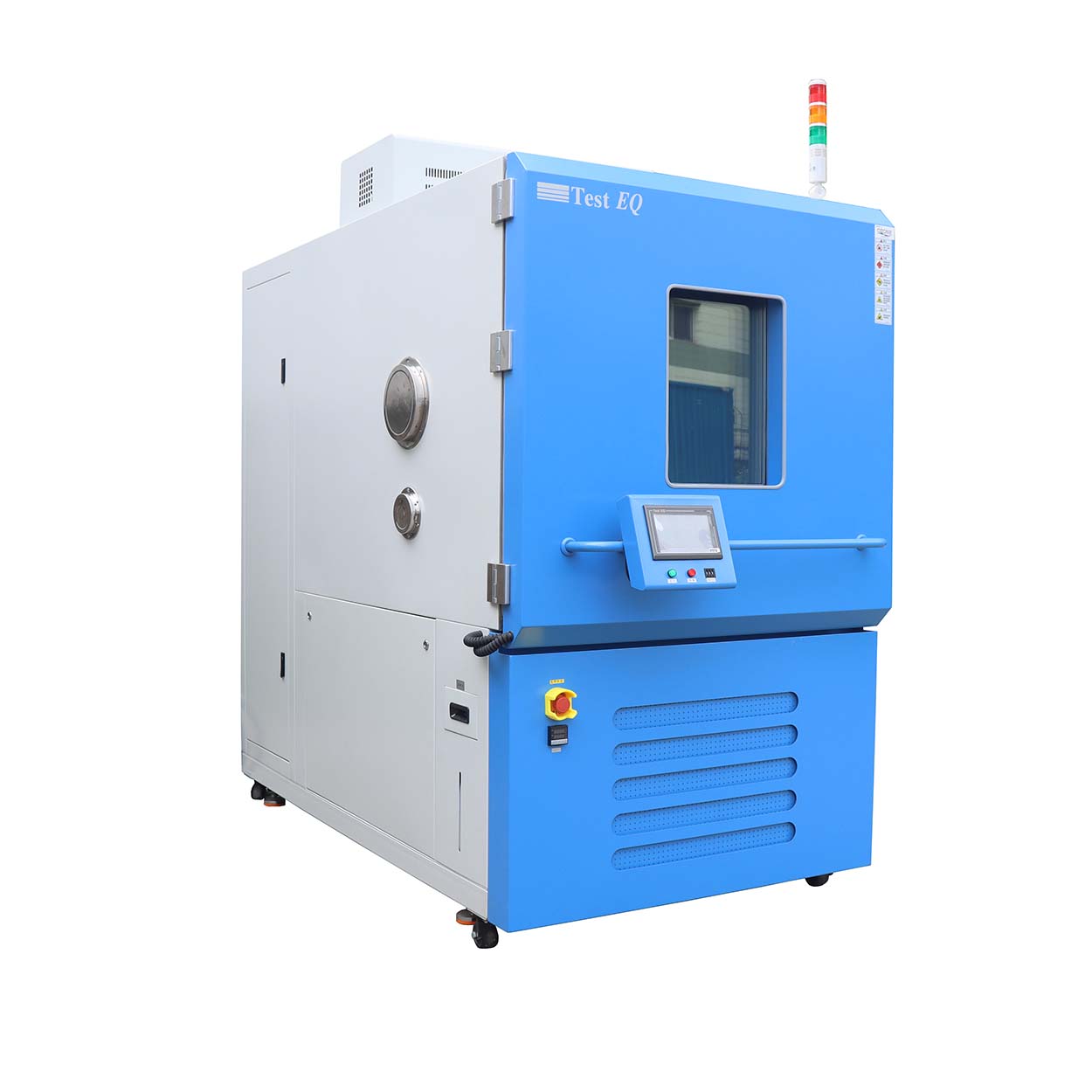
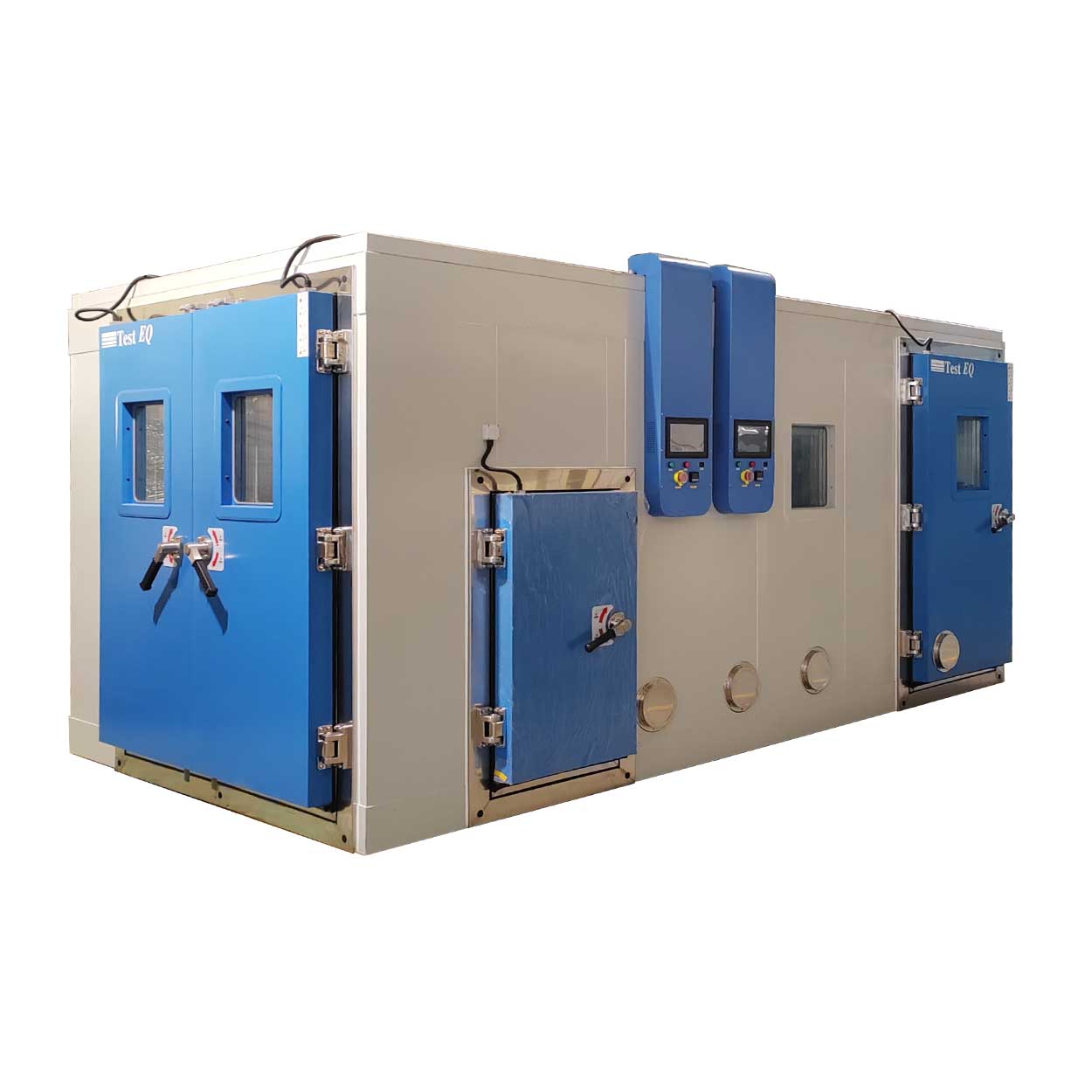
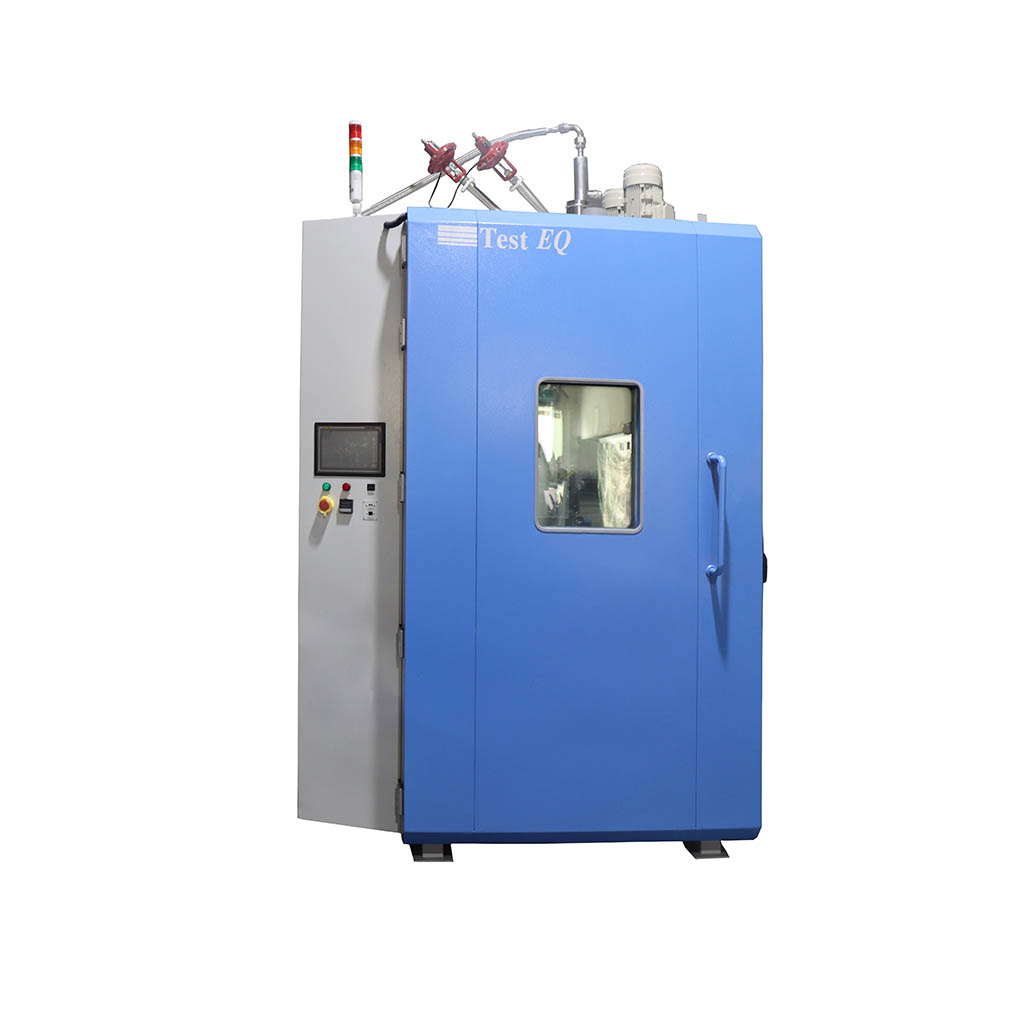
The Thermal Cycling Chamber is engineered for accelerated reliability testing of electronic, automotive, and aerospace components. By rapidly cycling temperatures between extreme conditions, it simulates real-world thermal stress to identify early-life failures and ensure long-term product durability.
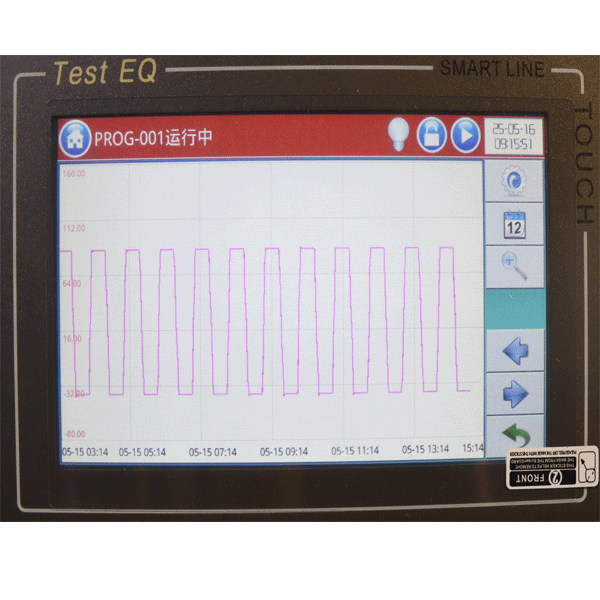
With ramp rates up to 30°C/min and a wide temperature range from -70°C to +180°C, this chamber is ideal for ESS (Environmental Stress Screening), R&D validation, and quality assurance testing.
The advanced chamber control enables seamless switching between extreme temperatures, mimicking real-world operational stress. Fully compliant with RTCA DO-160E/G, MIL-STD-810G, and GB/T2423.22, it is trusted by OEMs and Tier-1 suppliers for flight-critical component validation.
Designed forESS Testing:
Thermal cycling is a critical method in Environmental Stress Screening (ESS). By repeatedly exposing products to temperature extremes, latent manufacturing defects can be identified early in the production process.
This chamber supports:
• Rapid stress screening for electronics
• Burn-in and failure analysis
• Reliability growth programs
Why Choose TestEQ:
• Proven experience in high-end environmental testing systems
• Trusted by aerospace, defense, and advanced labs
• Advanced thermal balance technology
• Stable performance even under extreme testing conditions
• Custom engineering support for complex test requirements
Optional Configurations:
• Extended ramp rate (up to 30°C/min or higher)
• Multi-zone temperature control
• Remote monitoring & IoT integration
• Liquid nitrogen cooling system (LN2 boost)
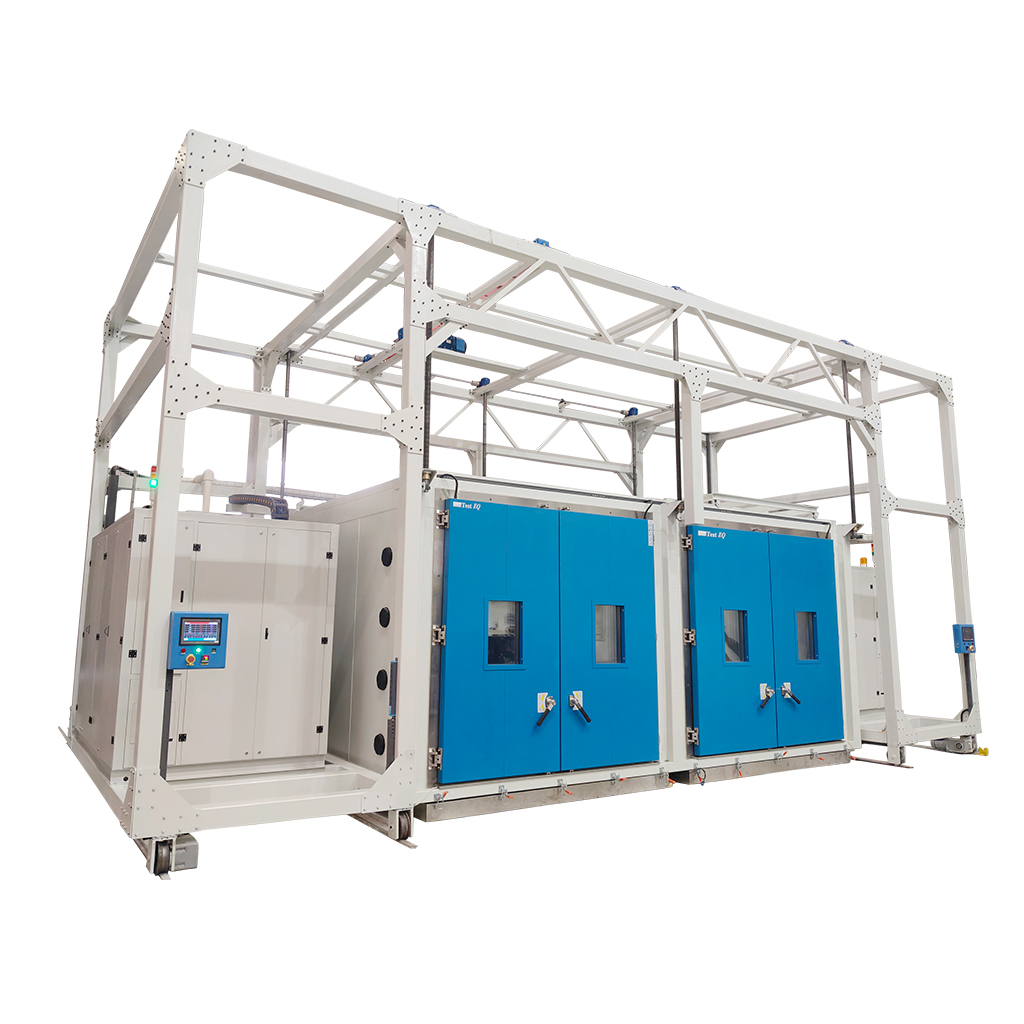
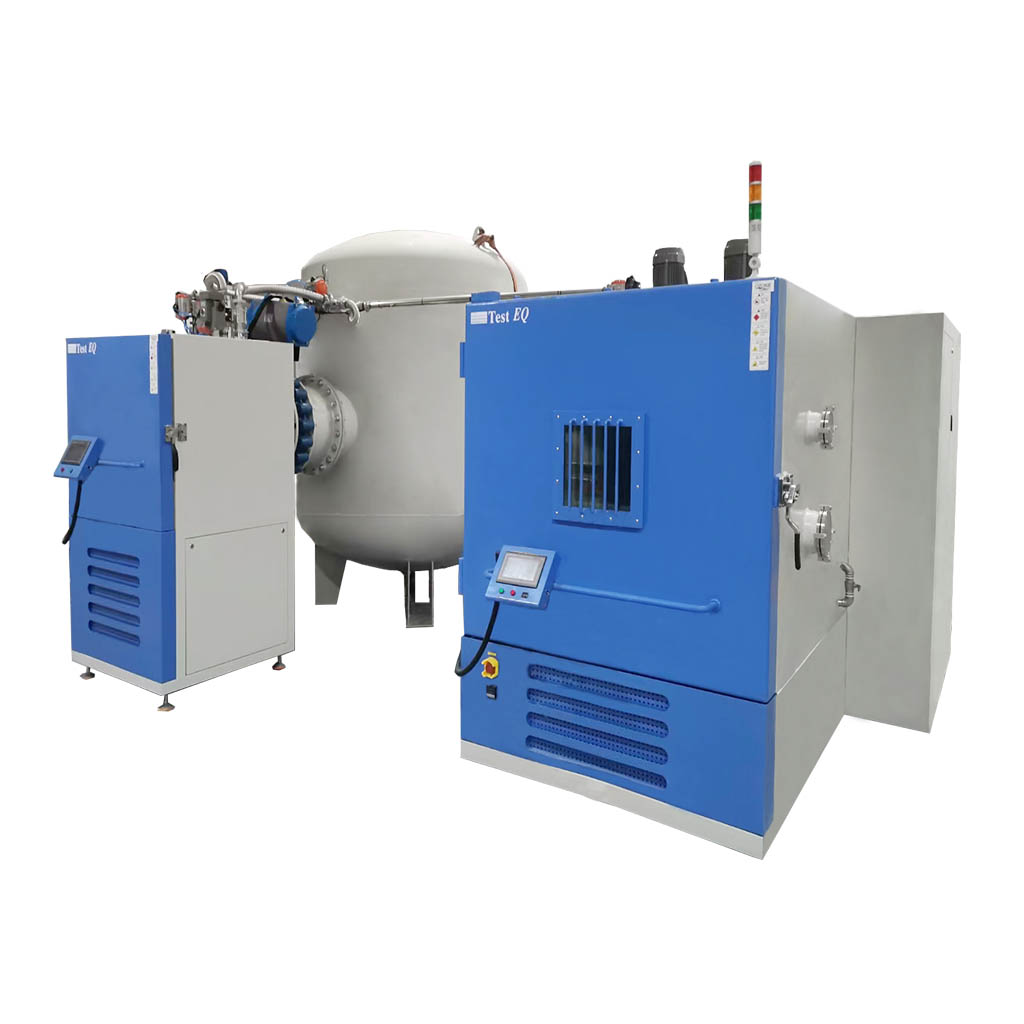
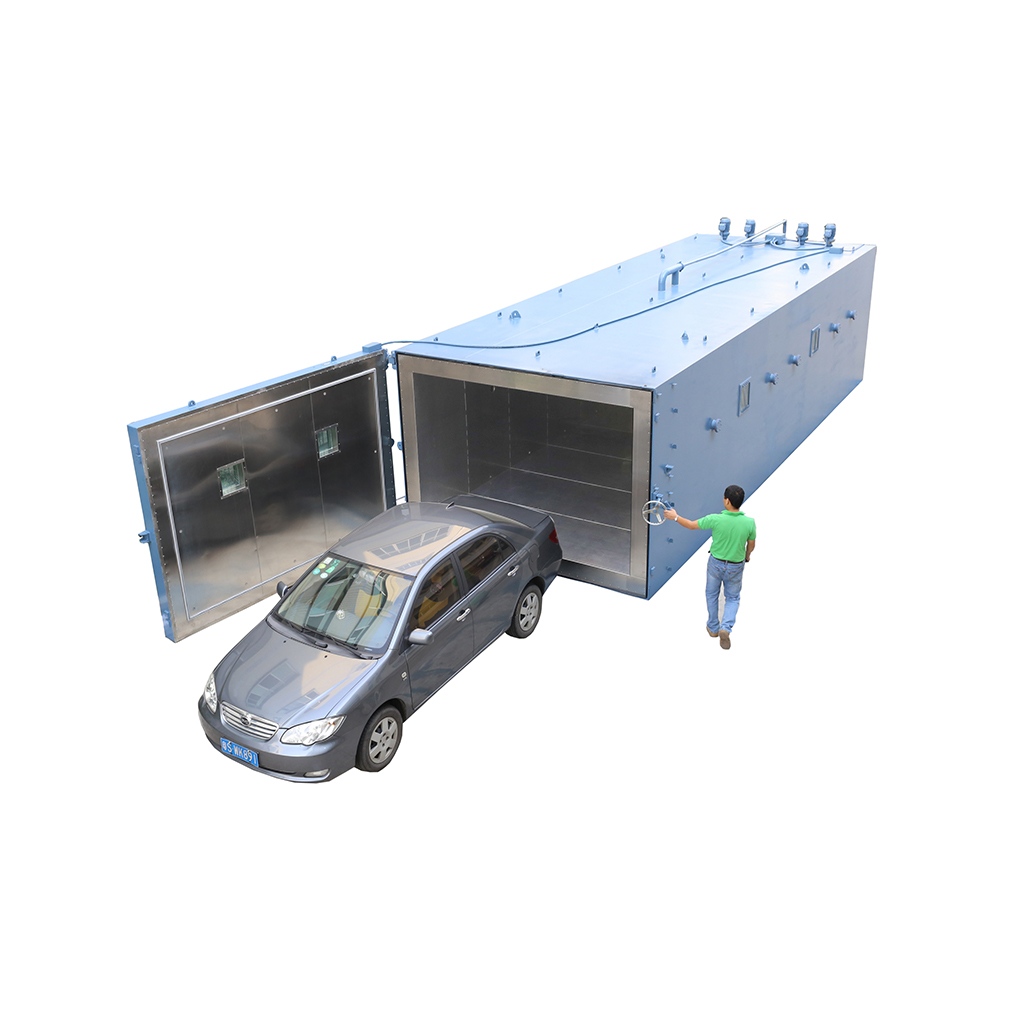
• Large-volume customized chambers
Internal Linking Module
Recommended Equipment
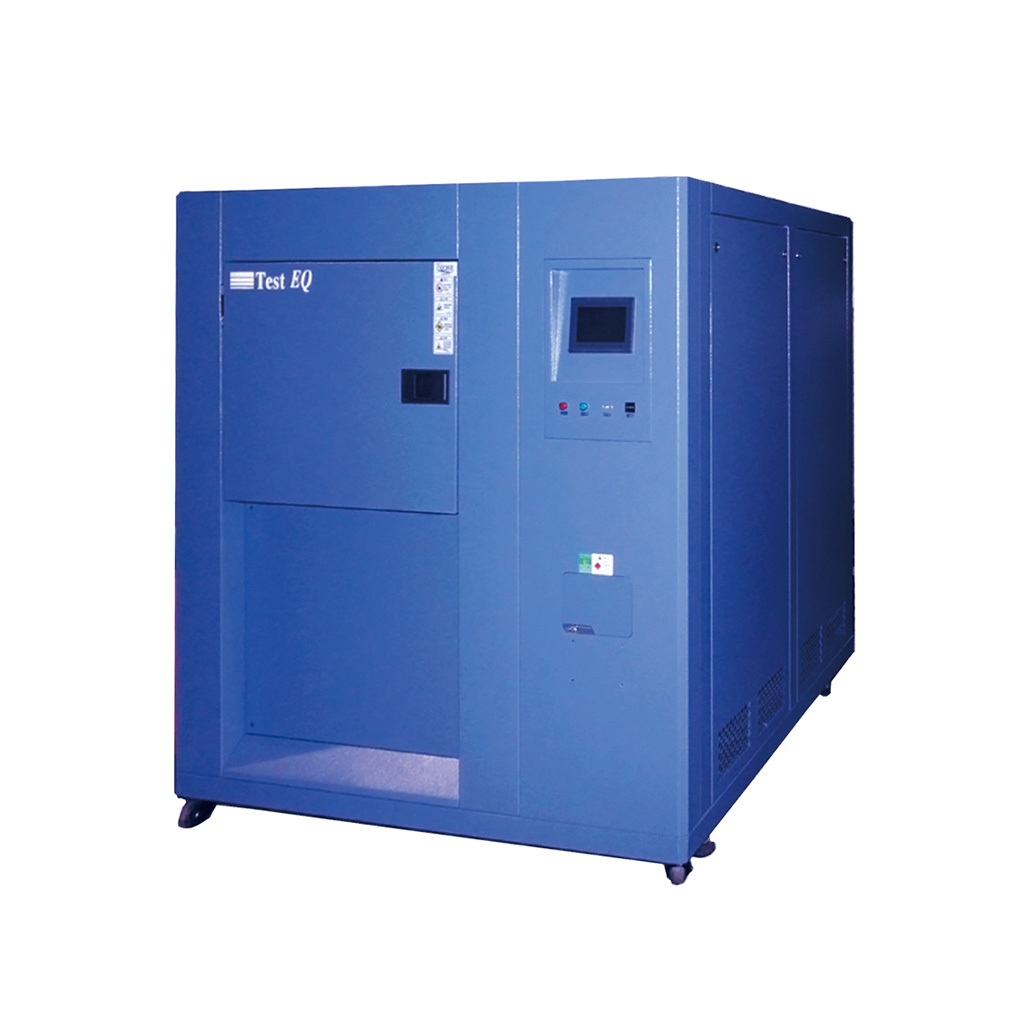
Designed for extreme temperature transition testing between hot and cold zones. Ideal for semiconductor packages, automotive electronics, aerospace components, and reliability qualification programs requiring rapid thermal stress evaluation. Supports IEC 60068, JESD22, and MIL-STD testing requirements.
Engineered for Environmental Stress Screening (ESS) applications with rapid temperature ramp rates and long-duration reliability testing capabilities. Commonly used in automotive, electronics, defense, and aerospace manufacturing environments.
Related Testing Standards
Learn the JEDEC JESD22-A104 thermal cycling methodology for semiconductor reliability qualification, including temperature profiles, cycle counts, failure mechanisms, and industry acceptance criteria.
Overview of IEC 60068 environmental testing requirements covering temperature cycling, thermal shock procedures, environmental stress evaluation, and product durability verification for electronic and industrial equipment.
Reliability Testing Resources
Compare HALT and Thermal Cycling testing methods, understand failure discovery mechanisms, acceleration principles, and selection criteria for product reliability improvement programs.
Understand the differences between thermal cycling and thermal shock testing, including transition rates, stress mechanisms, applicable standards, and recommended use cases for electronics, automotive, and aerospace industries.
FAQ
What is a thermal cycling chamber?
A thermal cycling chamber is a test system that simulates repeated temperature changes to evaluate product reliability under thermal stress conditions.
What is the difference between thermal cycling and thermal shock?
Thermal cycling involves gradual temperature transitions, while thermal shock exposes products to sudden temperature changes between extreme conditions.
What ramp rate is required for semiconductor testing?
Typically, semiconductor testing requires ramp rates between 10–30°C/min, depending on JEDEC standards and test objectives.
What standards does this chamber comply with?
This chamber supports MIL-STD-810, IEC 60068, JESD22, and other international reliability testing standards.
How to choose a thermal cycling chamber?
Key factors include temperature range, ramp rate, chamber size, uniformity, and compliance standards based on your application.