Opening:
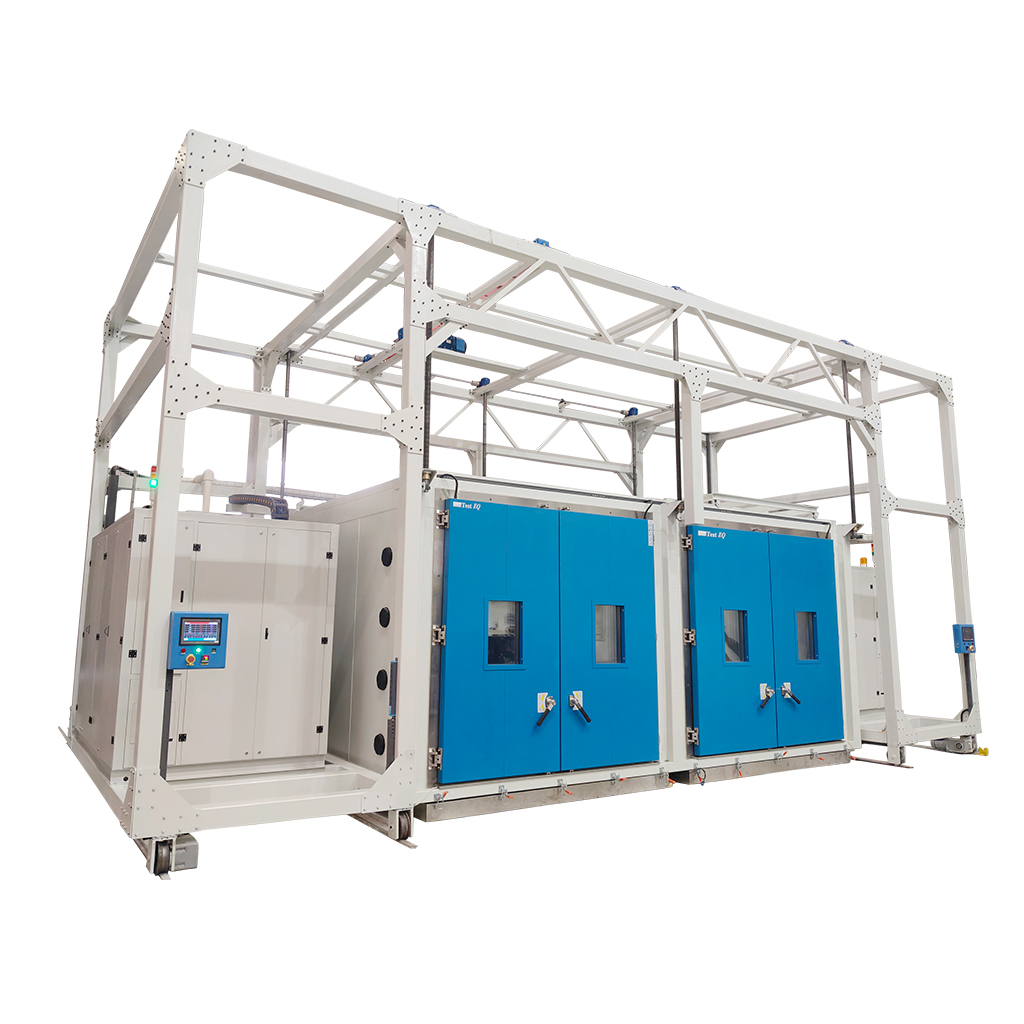
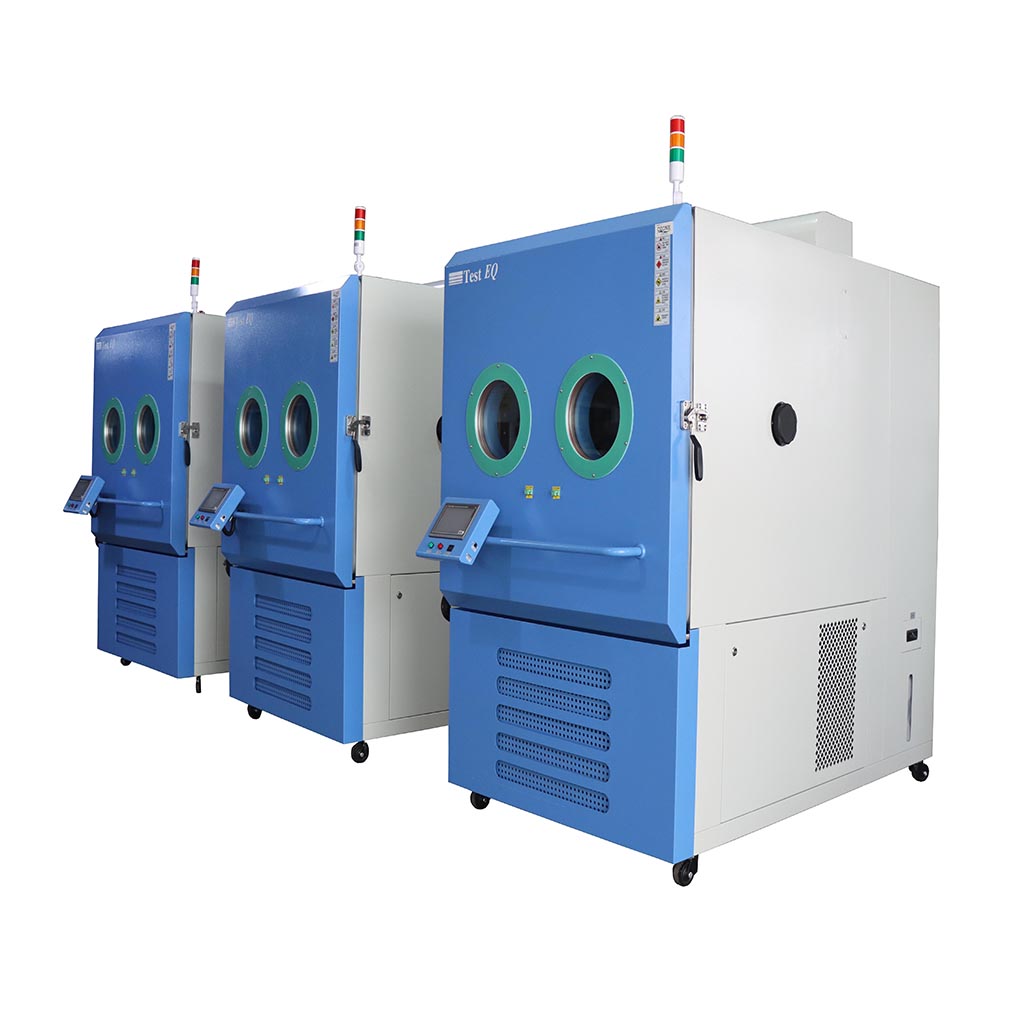
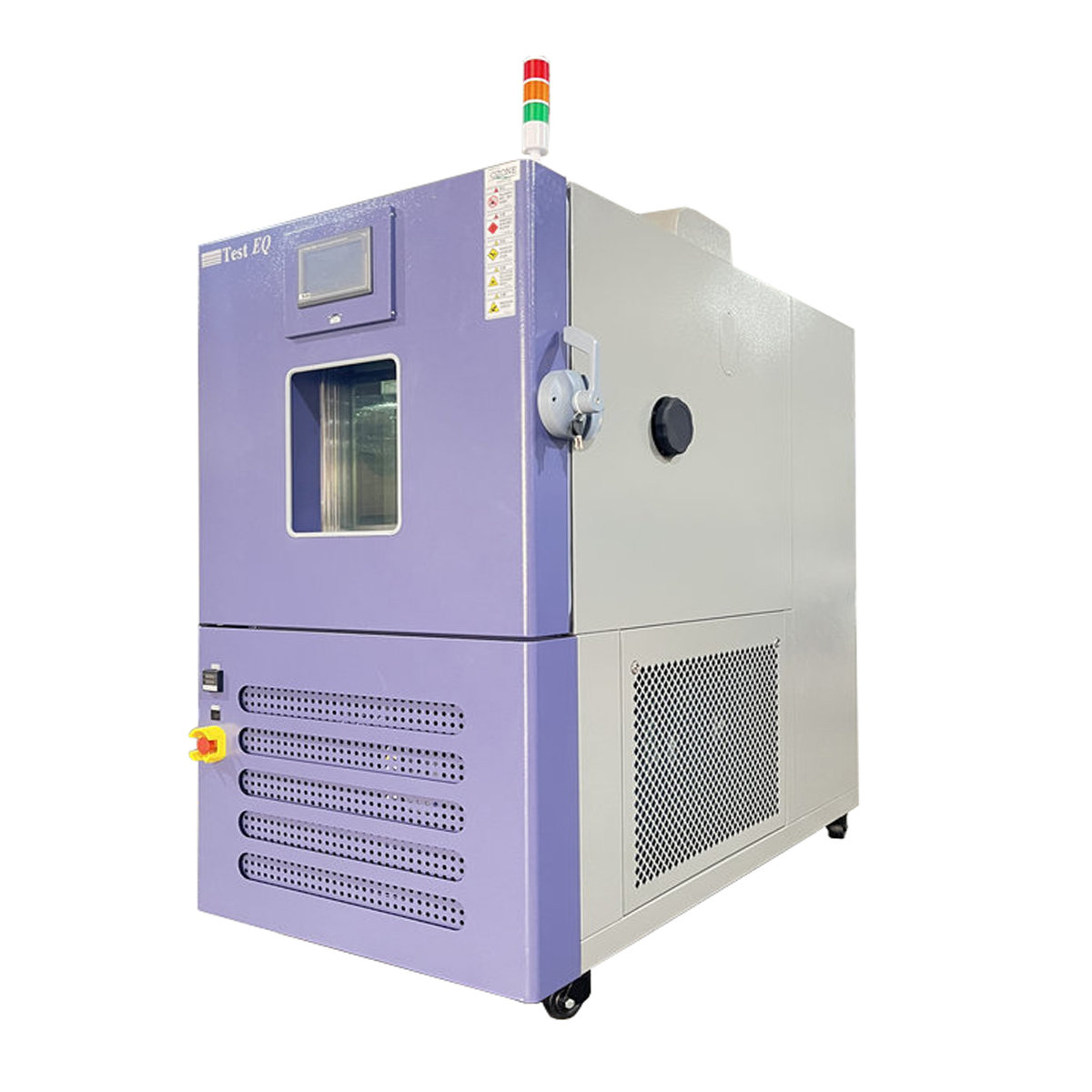
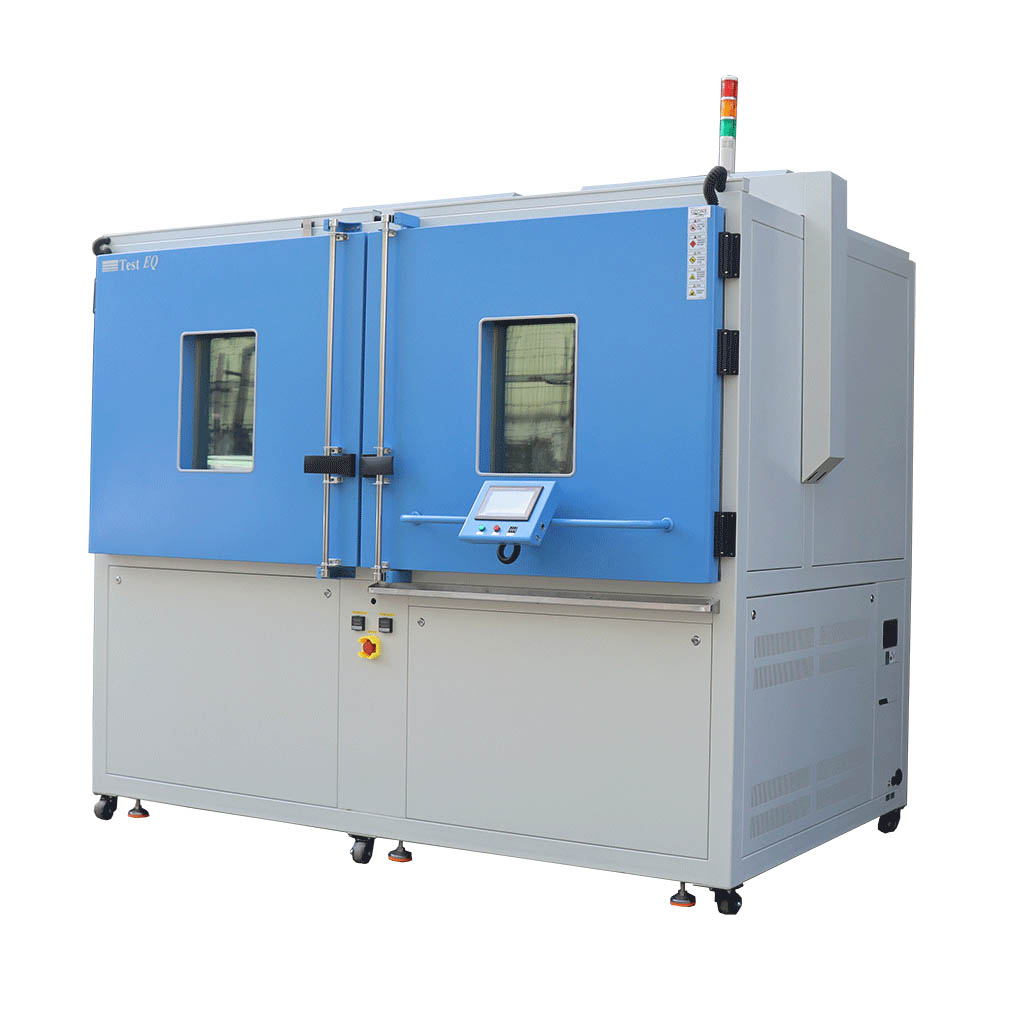
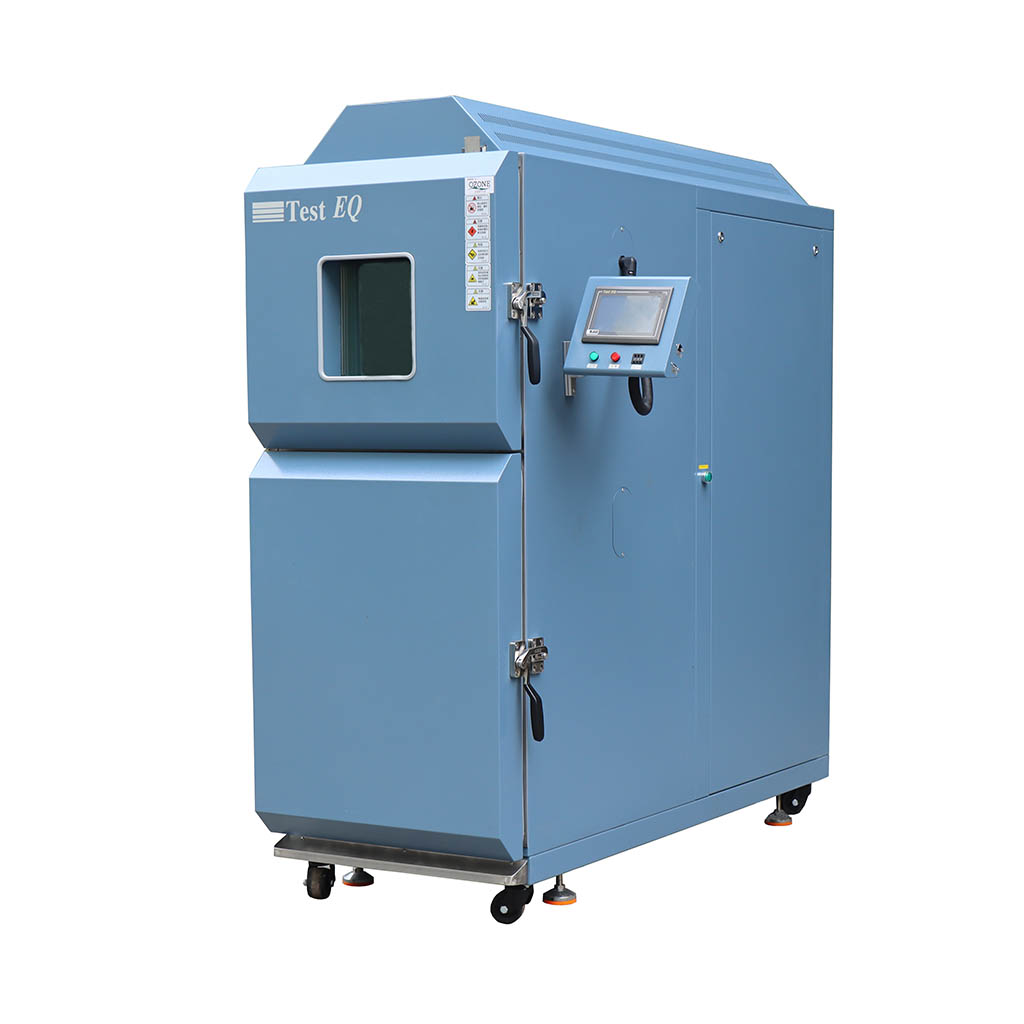
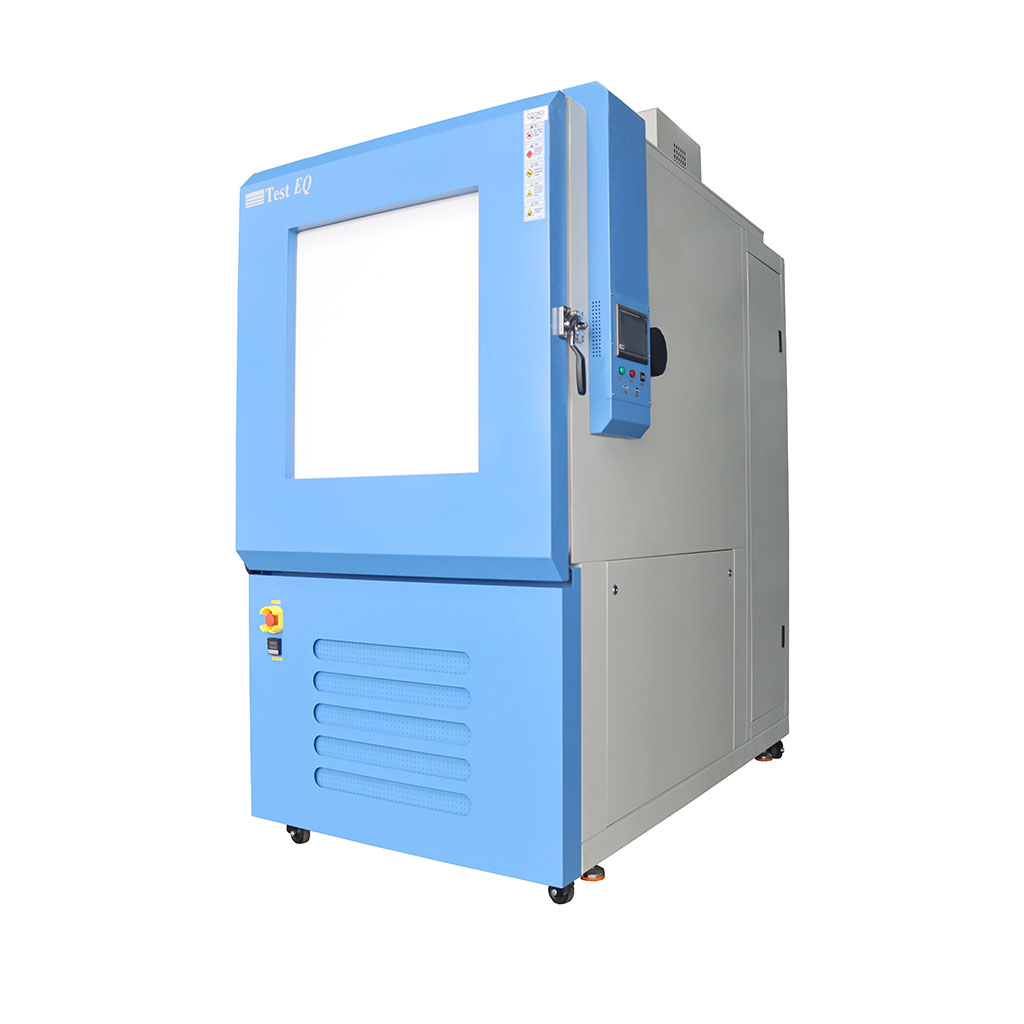
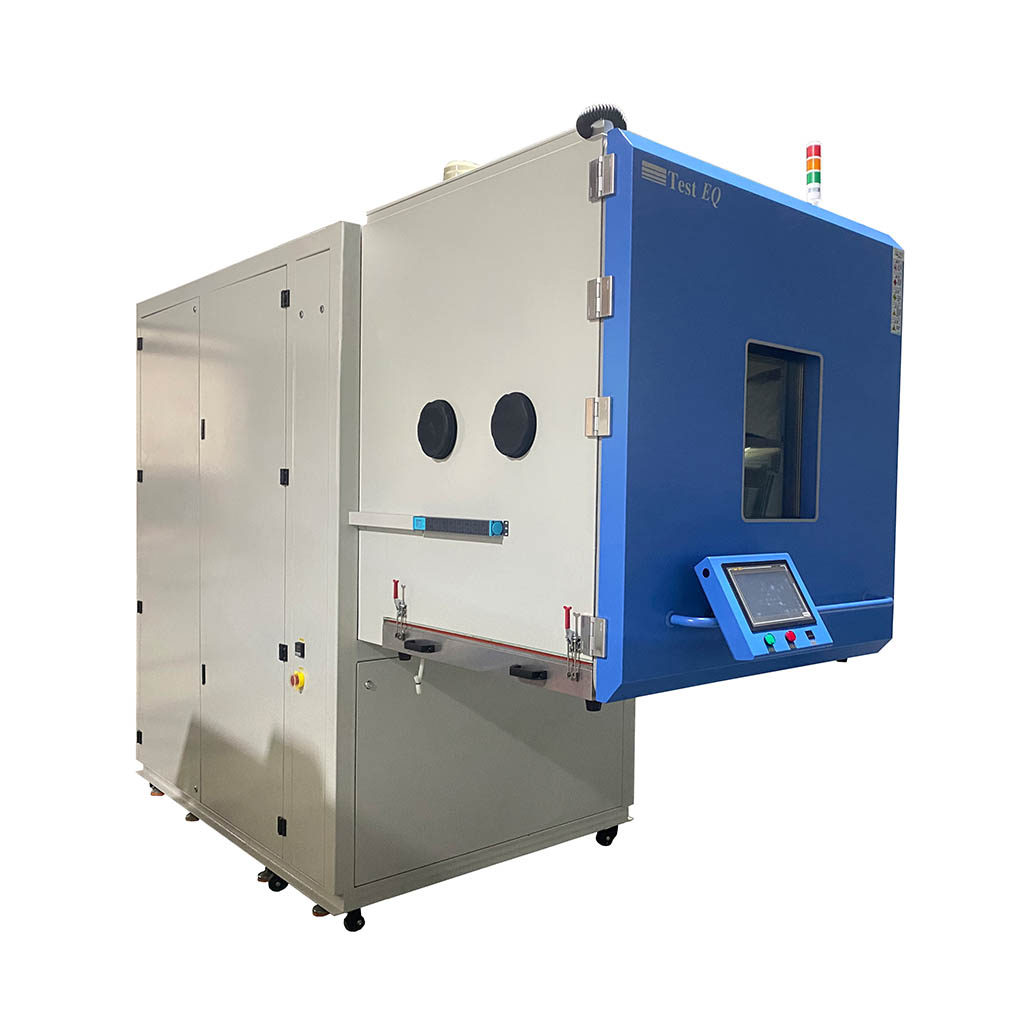
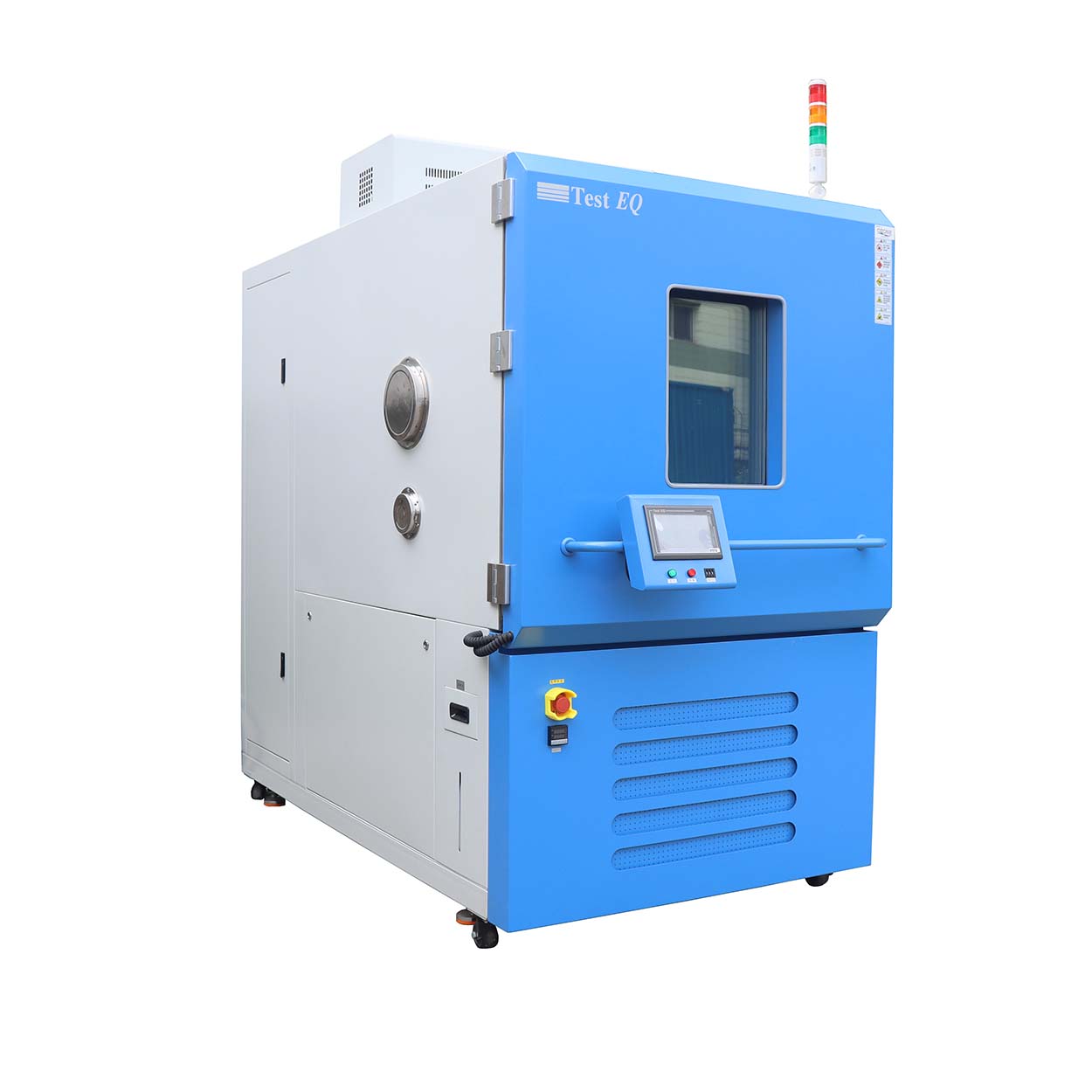
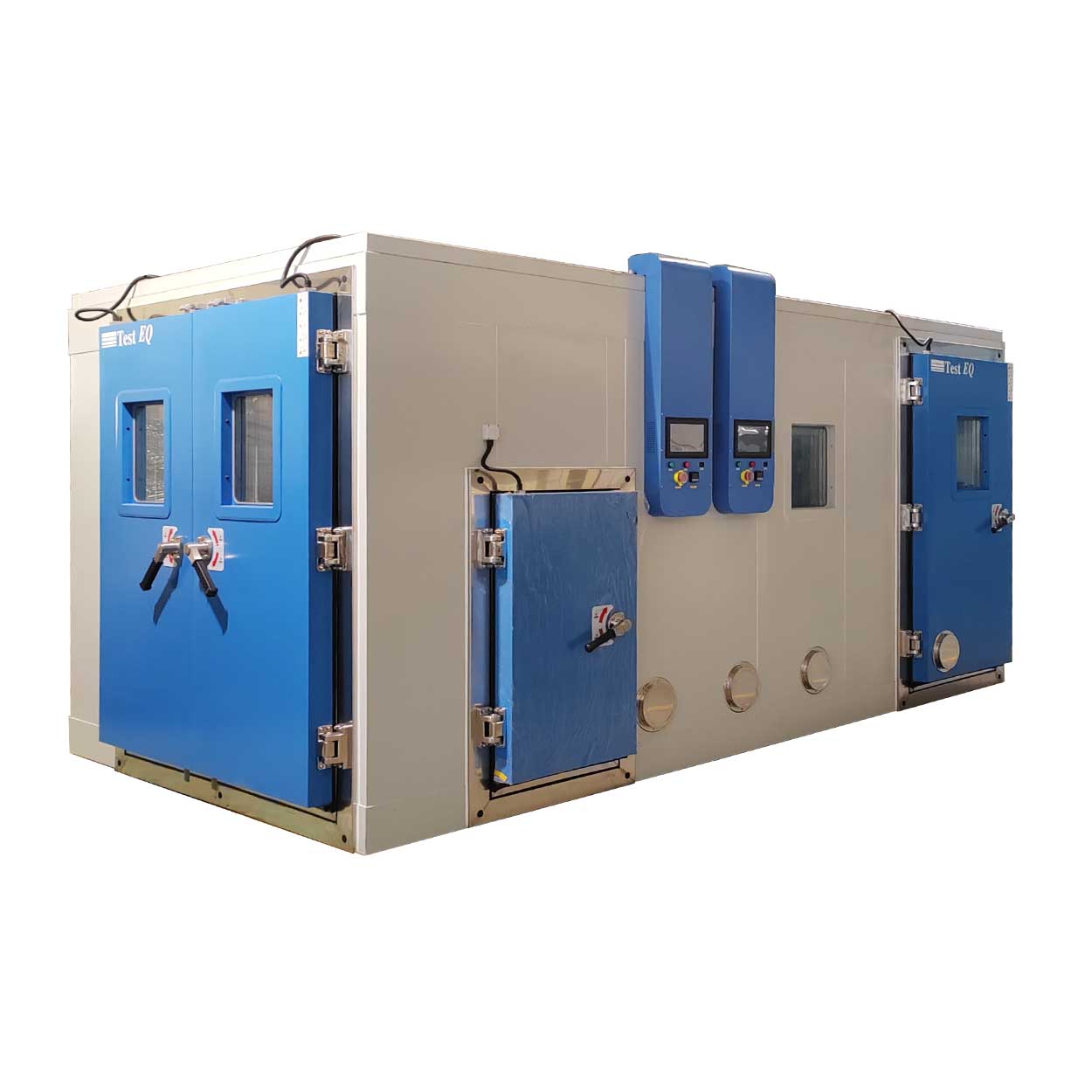
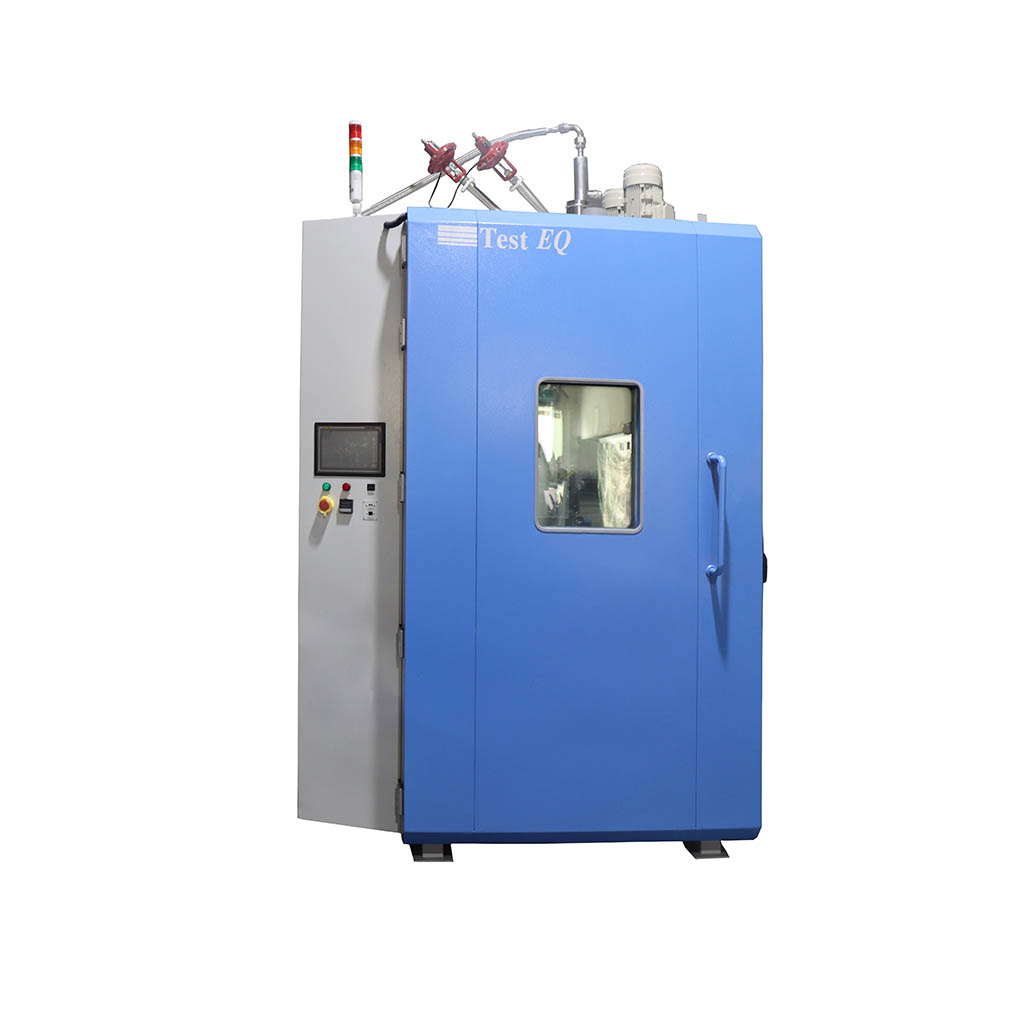
The Temperature Vibration Test Chamber is designed for combined environmental stress testing, allowing products to undergo simultaneous thermal cycling and mechanical vibration. This chamber simulates real-world operating conditions to identify latent defects, ensure reliability, and validate product durability.
With a wide temperature range from -70°C to +180°C and precision vibration control, this chamber is ideal for electronics, automotive components, aerospace systems, and advanced materials testing.
Working Principle:
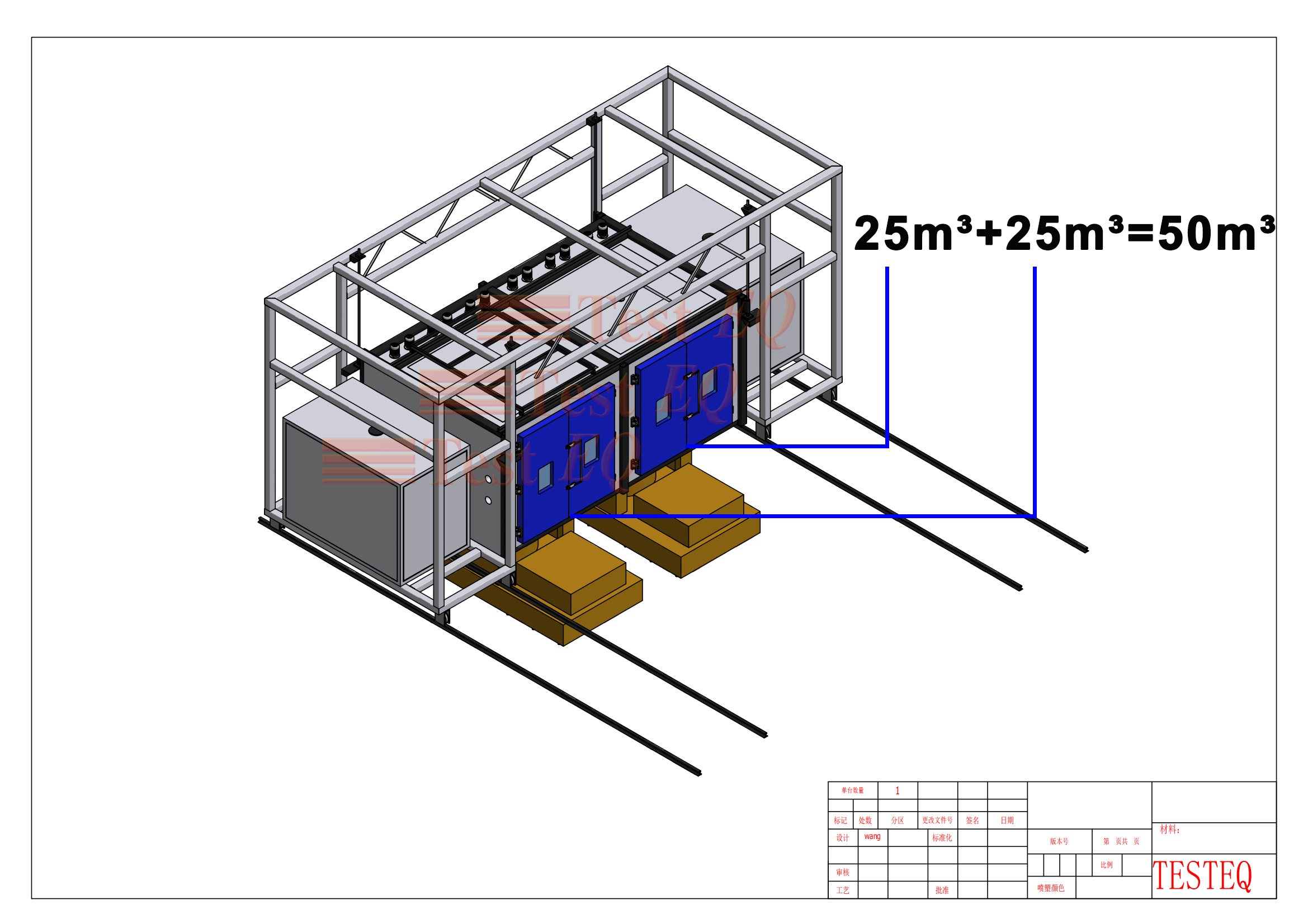
The chamber combines precise thermal control with advanced vibration systems, allowing simultaneous testing of temperature extremes and mechanical stress. By integrating the temperature and vibration control, engineers can simulate real-world operational stresses to detect structural weaknesses or early-life product failures.
Temperature Vibration vs Separate Testing:
| Feature | Combined Temperature Vibration | Separate Thermal & Vibration Testing |
|---|
| Stress Accuracy | High | Medium |
| Test Duration | Shorter | Longer |
| Equipment Footprint | Compact | Larger |
| Reliability Detection | Higher | Lower |
Why Choose TestEQ:
Proven expertise in environmental reliability testing
Advanced temperature and vibration integration technology
Stable and repeatable testing even under extreme conditions
Customizable solutions for automotive, aerospace, and electronics industries
Energy-efficient operation and low maintenance requirements
Optional Configurations:
Reference Standards:
•GB/5170.2-1996: Verification Methods for Environmental Testing Equipment Parameters (Temperature)
•GB2423.1-89: Basic Environmental Testing Procedures (Test A: Low Temperature)
•GB2423.2-89: Basic Environmental Testing Procedures (Test B: High Temperature)
•GB/T2423.3-93: Damp Heat Testing Methodology
•GJB150.3-86: Military Equipment Environmental Tests (High Temperature)
•GB/T 28046.4, ISO 16750-4, GMW 3172, VW80101, GB/T 10485
Internal Linking Module
Recommended Equipment
Designed for accelerated reliability verification under rapid temperature transitions from 5°C/min to 30°C/min. Ideal for automotive electronics, semiconductors, aerospace components, and ESS validation.
Combines extreme temperature stress and high-intensity vibration to identify design weaknesses and reduce product development cycles for high-reliability industries.
Related Testing Standards
Covers international guidelines for combined temperature, humidity, and vibration testing to ensure reliable performance of electronics and automotive components under complex environmental conditions.
Automotive reliability testing standard defining vibration and mechanical load requirements for electrical and electronic systems installed in road vehicles.
Related Resources
Learn how a three-comprehensive vibration test chamber enables simultaneous temperature, humidity, and vibration testing for UAV structural durability and flight reliability validation.
A practical guide covering major EV battery testing standards including UN38.3, IEC 62660, SAE J2464, and ISO 16750, helping engineers select the right environmental validation methods.
FAQ:
Q1: What is a temperature vibration test chamber?
A chamber that combines temperature control and mechanical vibration to evaluate product reliability under real-world stress conditions.
Q2: What standards does it support?
Supports MIL-STD-810, IEC 60068, JESD22, and other global reliability testing standards.
Q3: Which industries use it?
Used in semiconductors, automotive, aerospace, batteries, electronics, and communication systems.
Q4: What vibration modes are available?
Sinusoidal, random, and swept-sine vibration modes are supported.
Q5: How to choose the right chamber?
Consider temperature range, vibration type, acceleration, chamber size, and test standards.
Note: Technical specifications subject to iterative upgrades. Consult TESTEQ's latest documentation for current configurations.