Opening:
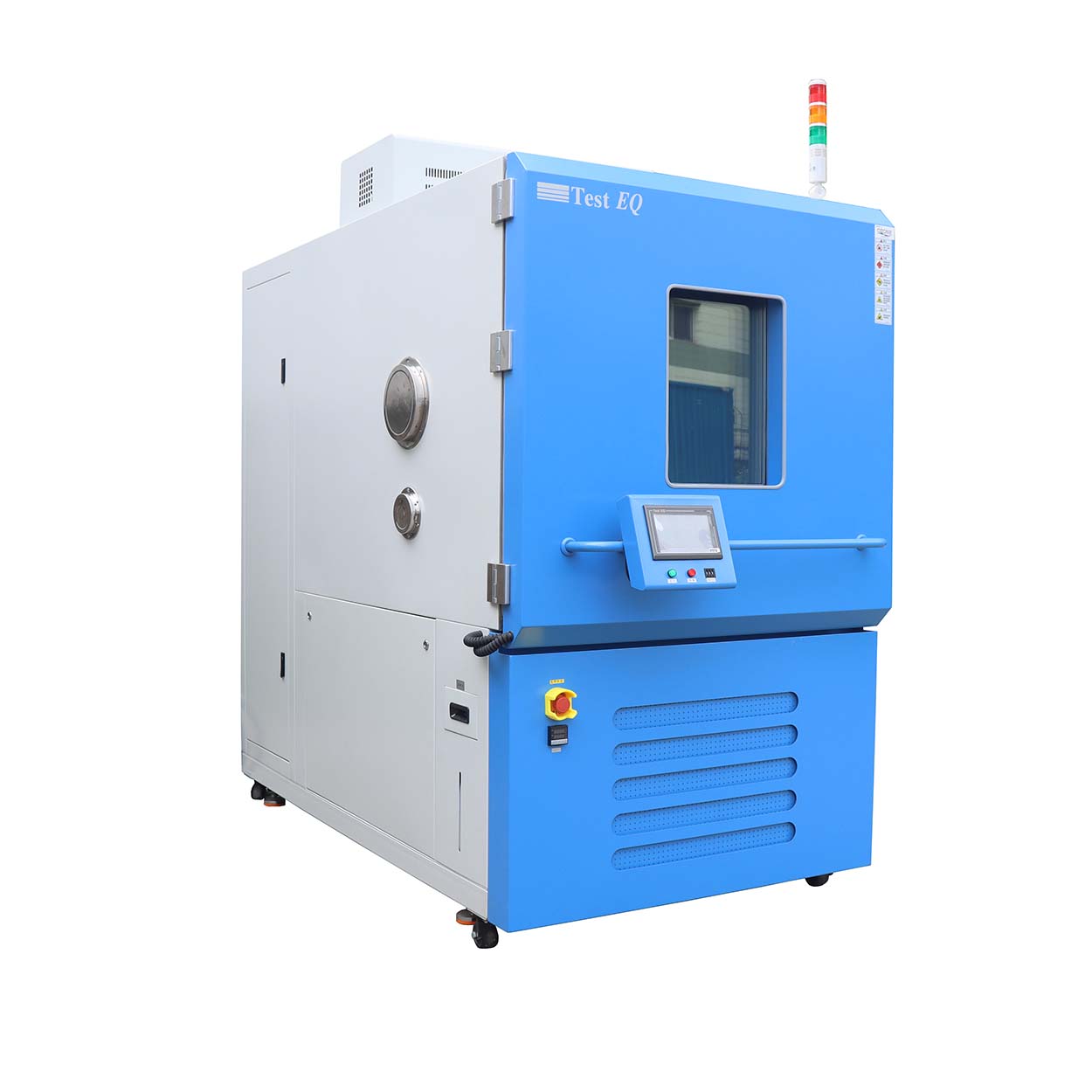
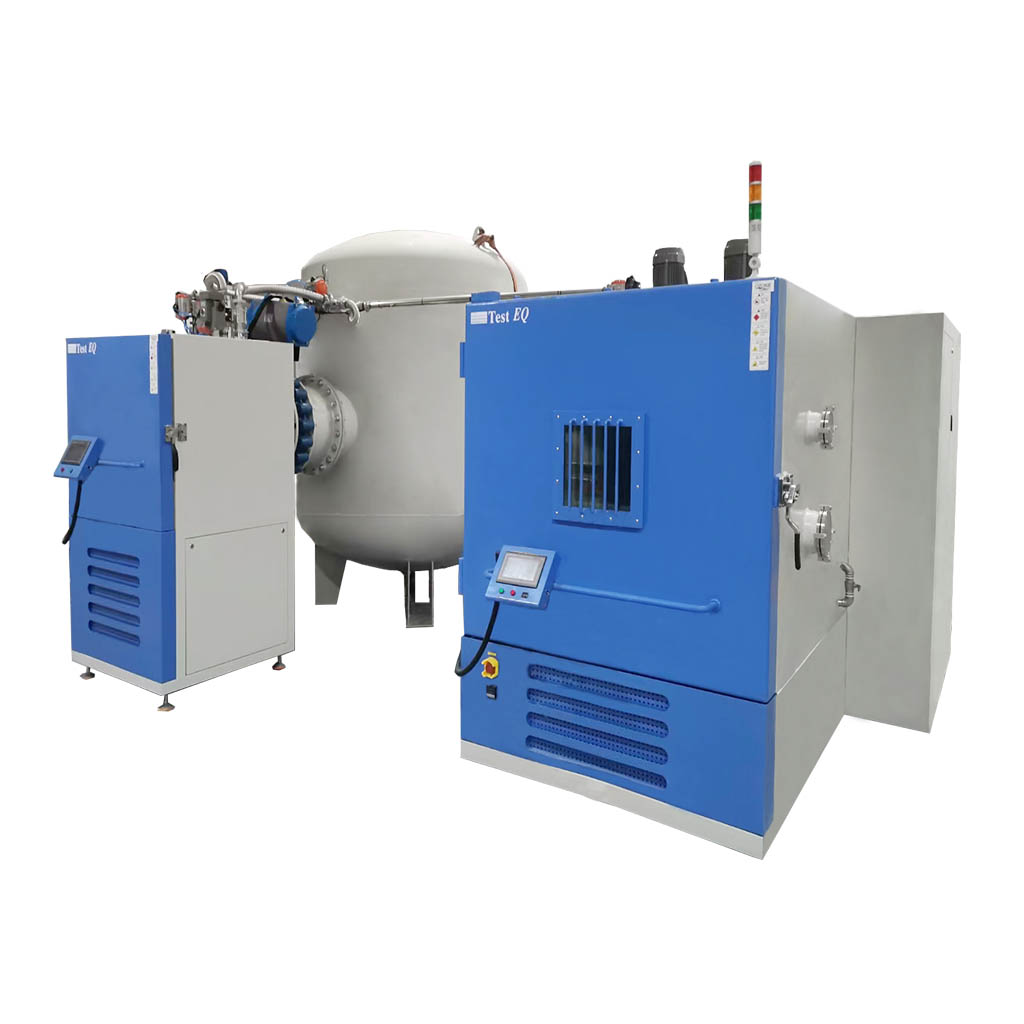
The Temperature Humidity Test Chamber is designed to simulate controlled environmental conditions for reliability, durability, and stability testing across a wide range of industries.
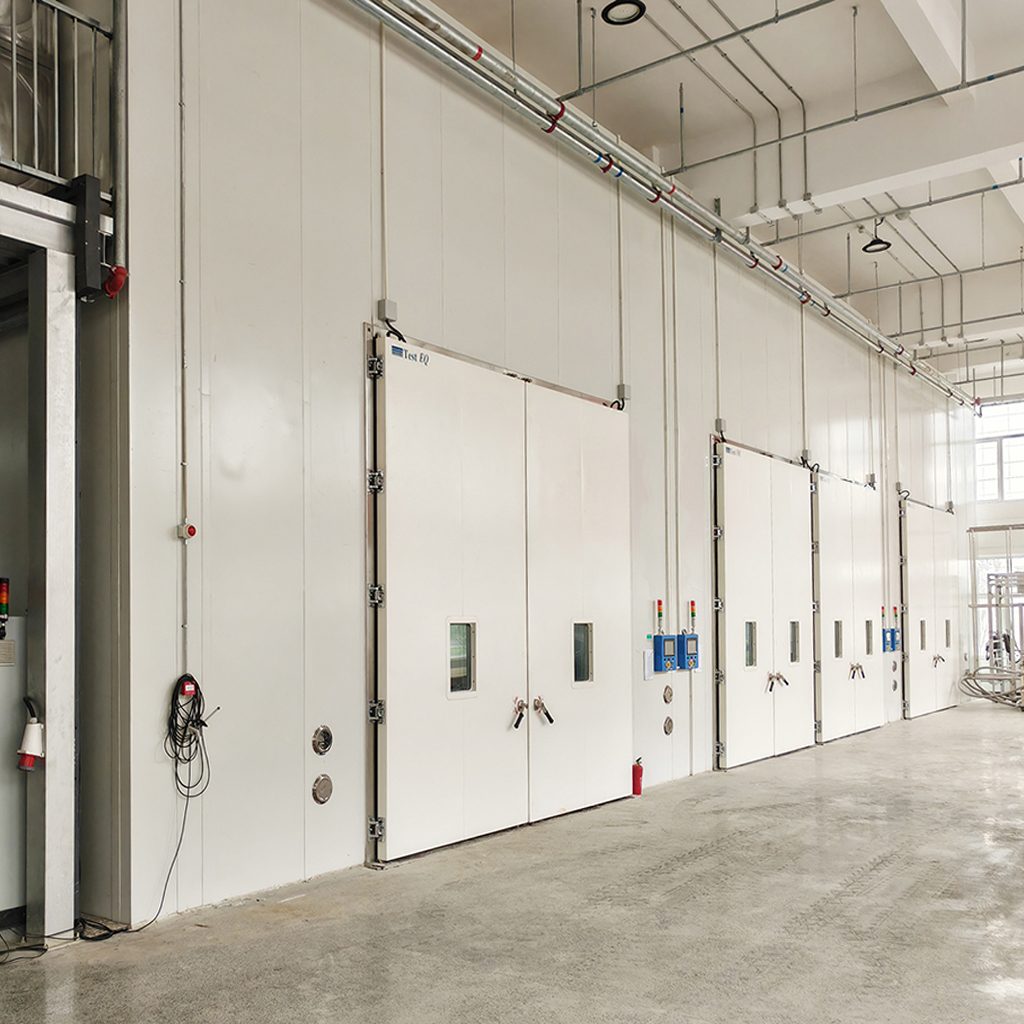
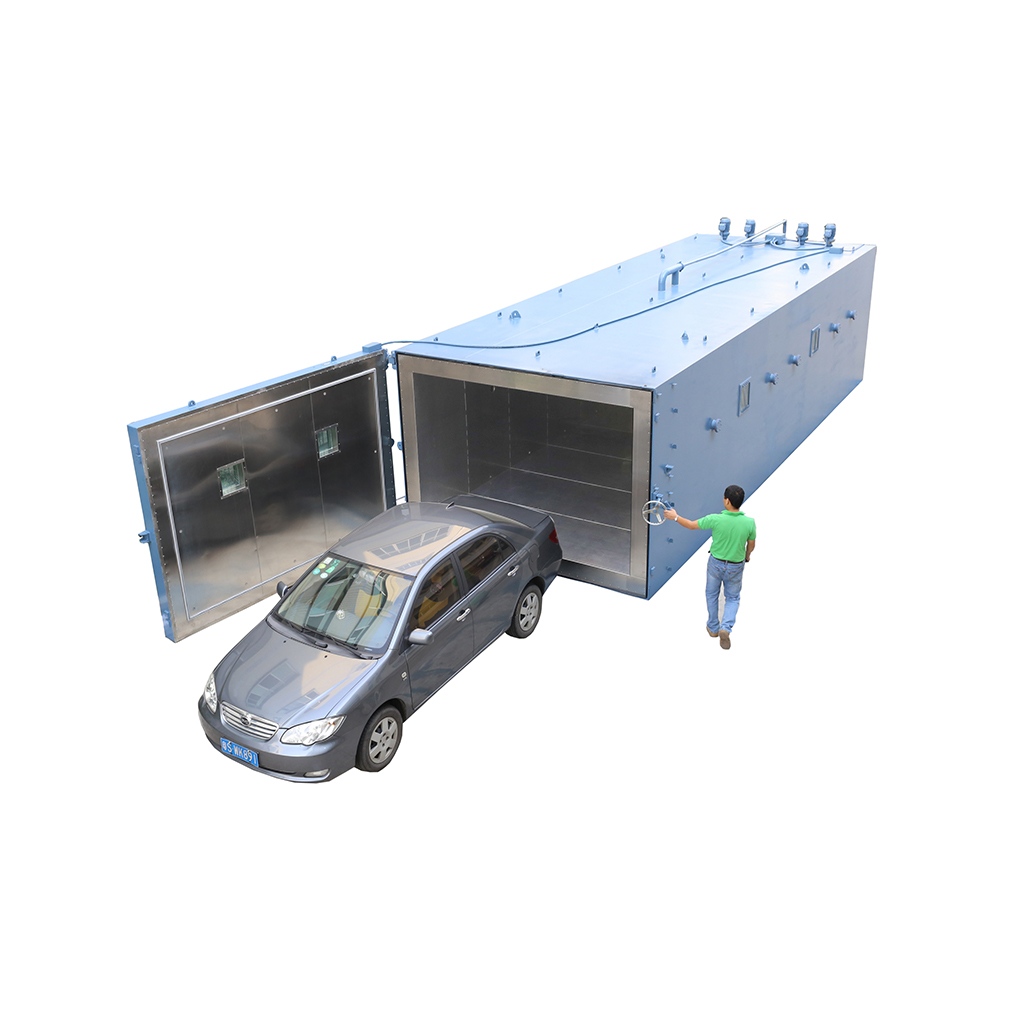
TestEQ provides both standard temperature humidity chambers and large-scale walk-in environmental chambers up to 4500m³, enabling laboratories and manufacturers to test everything from small electronic components to full-scale assemblies, battery packs, and vehicle systems.
With precise control of temperature and humidity, our chambers support international testing standards including IEC 60068, MIL-STD-810, JEDEC, and ISO environmental testing protocols.
Product Types Covered by This Temperature Humidity Chamber Series
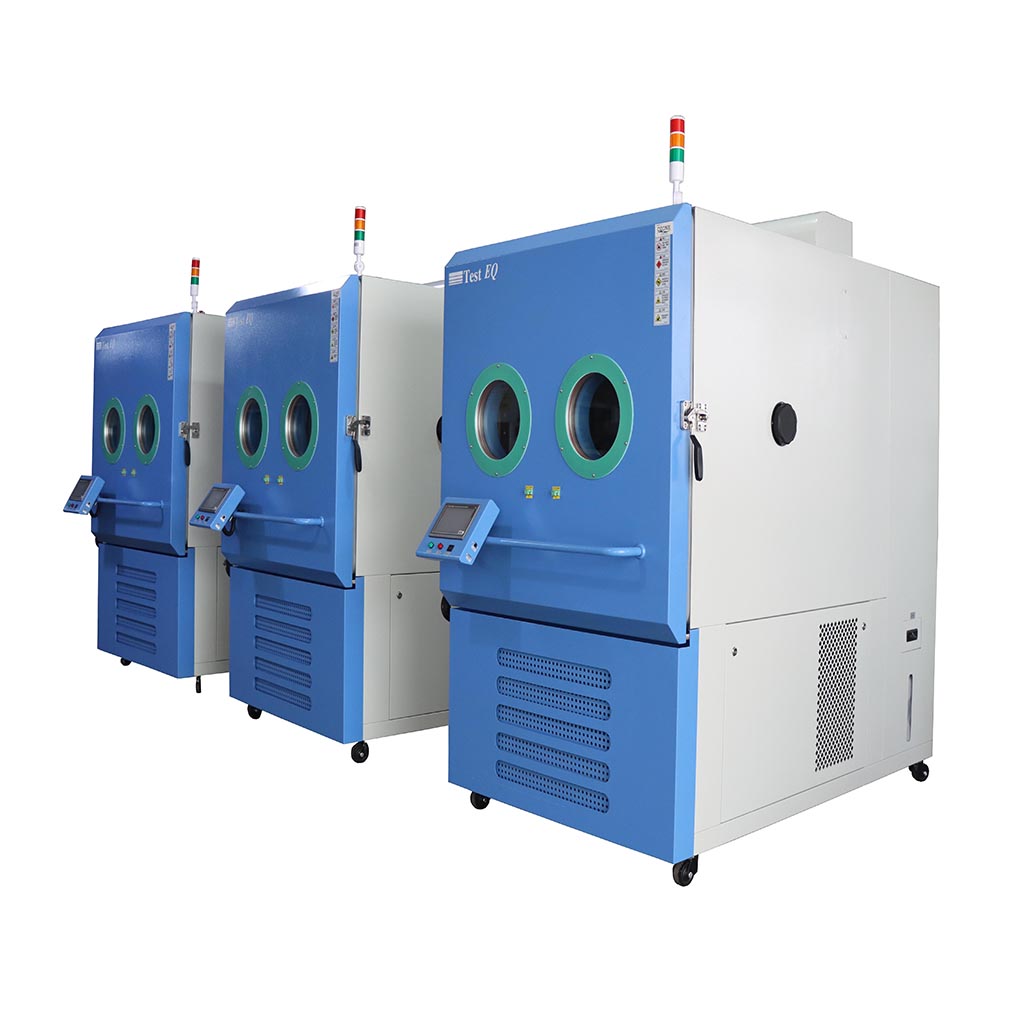
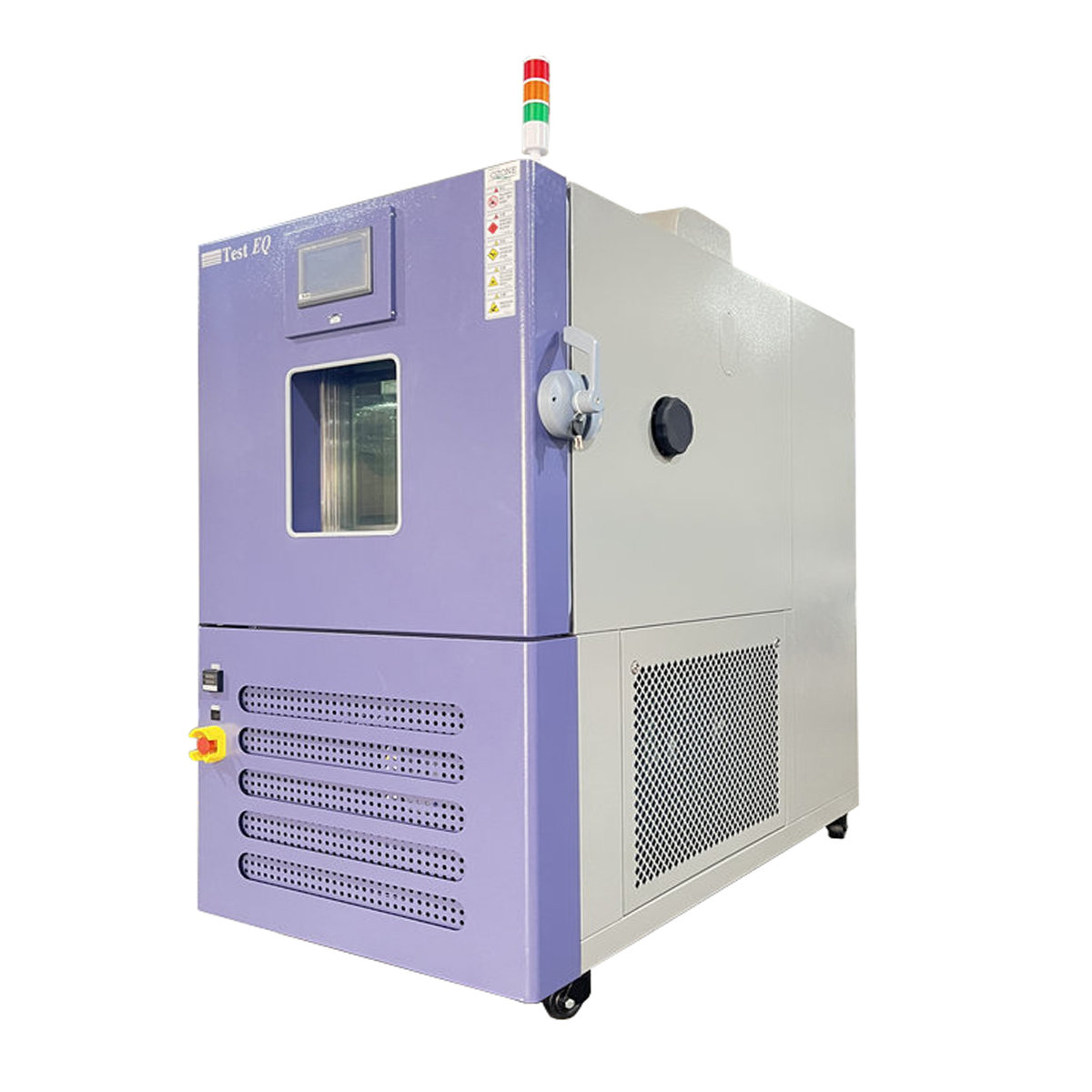
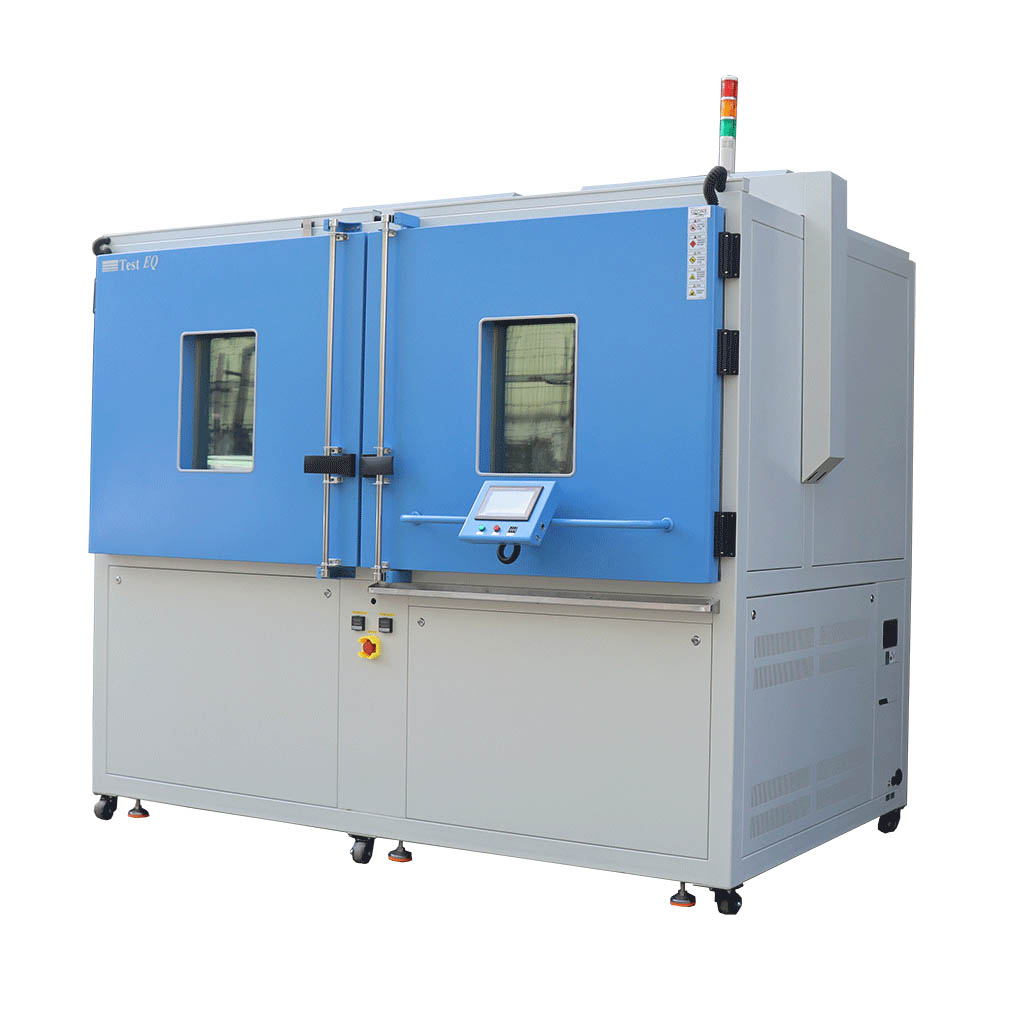
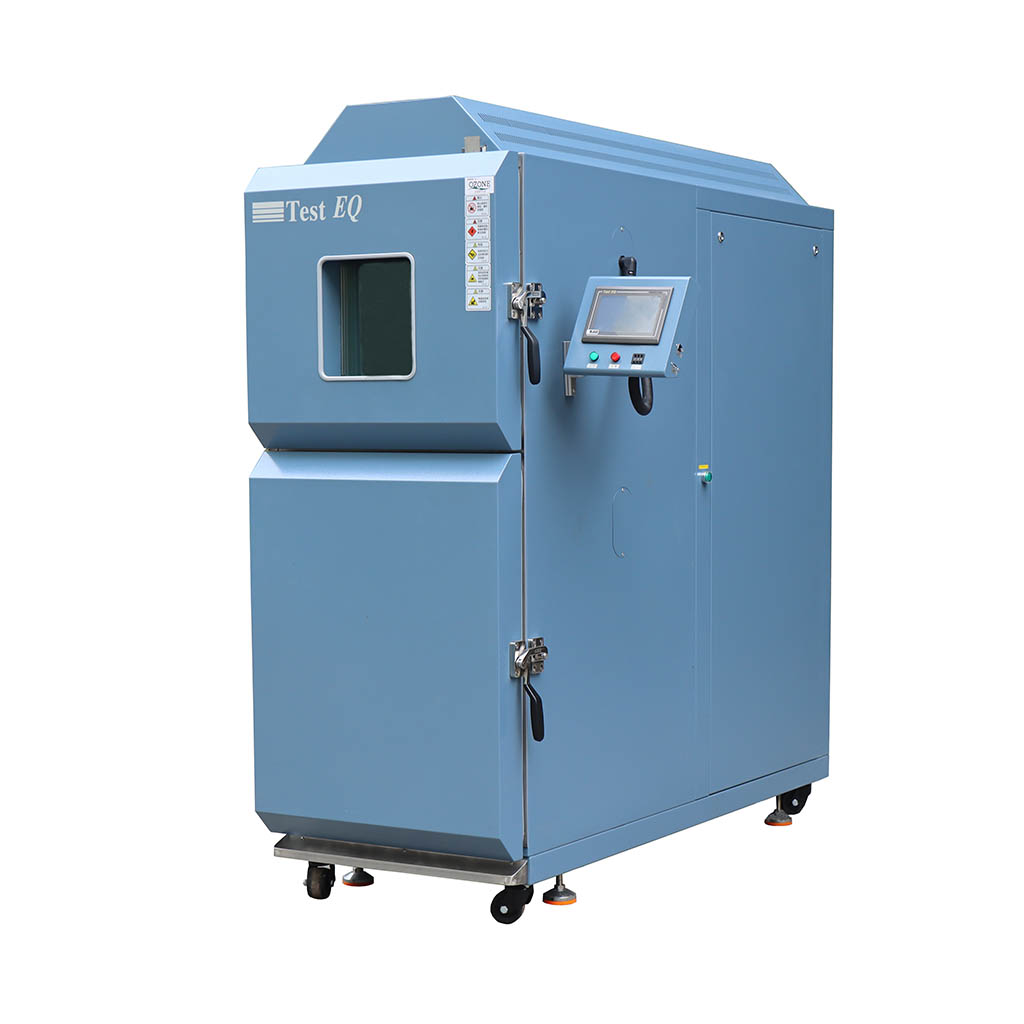
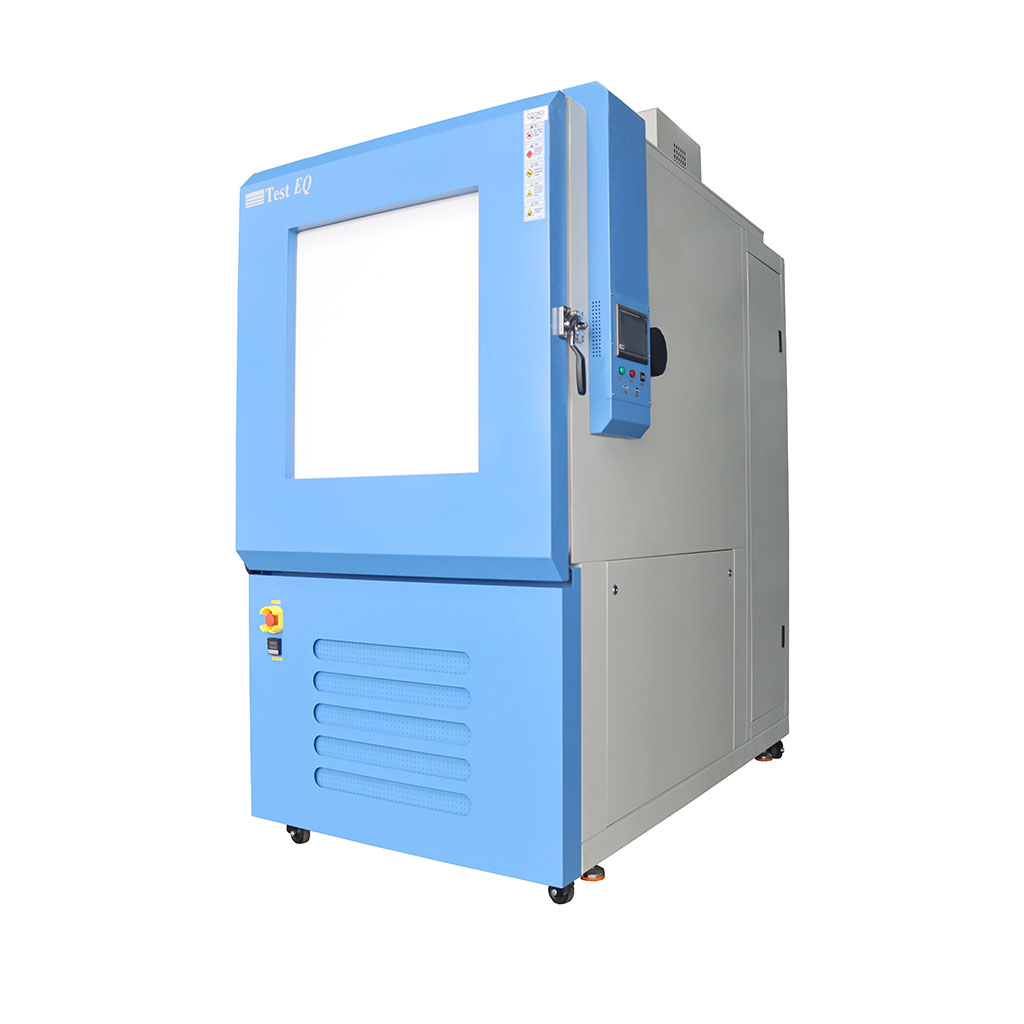
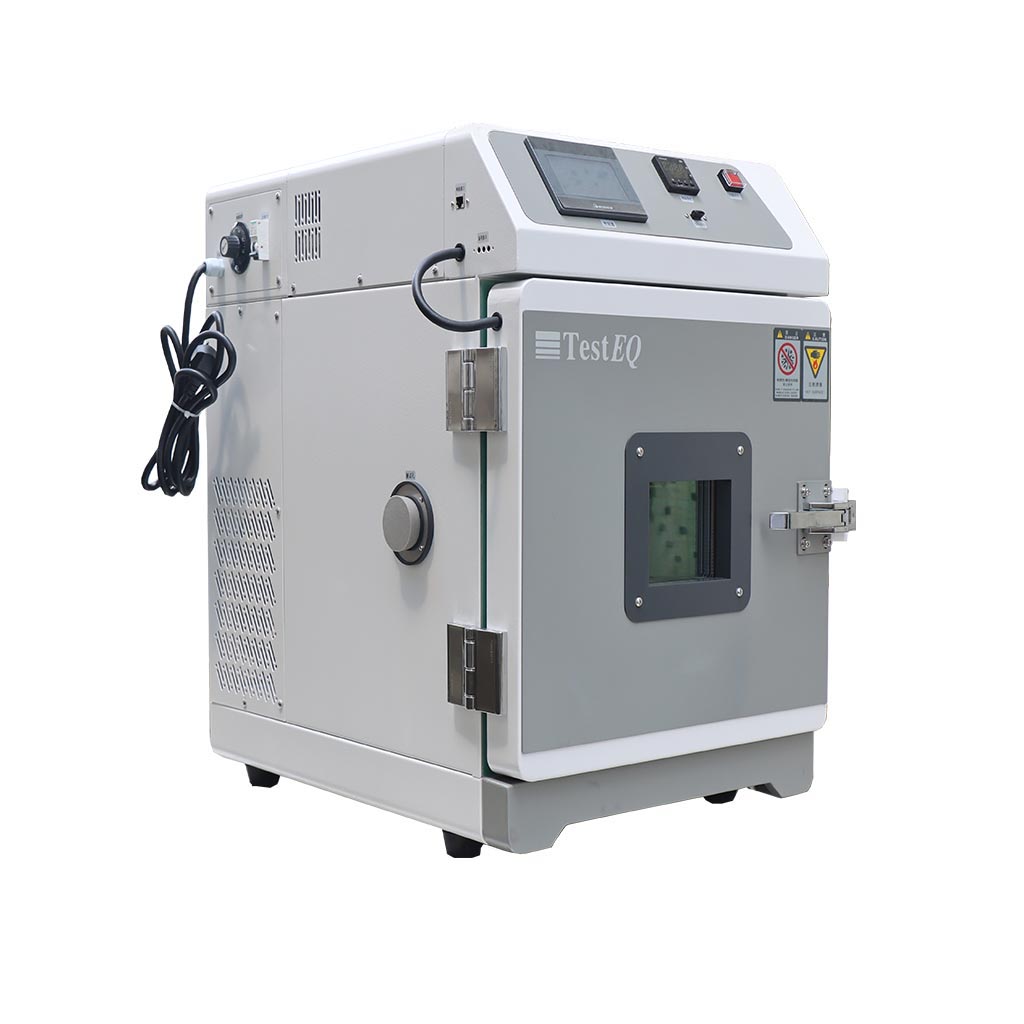
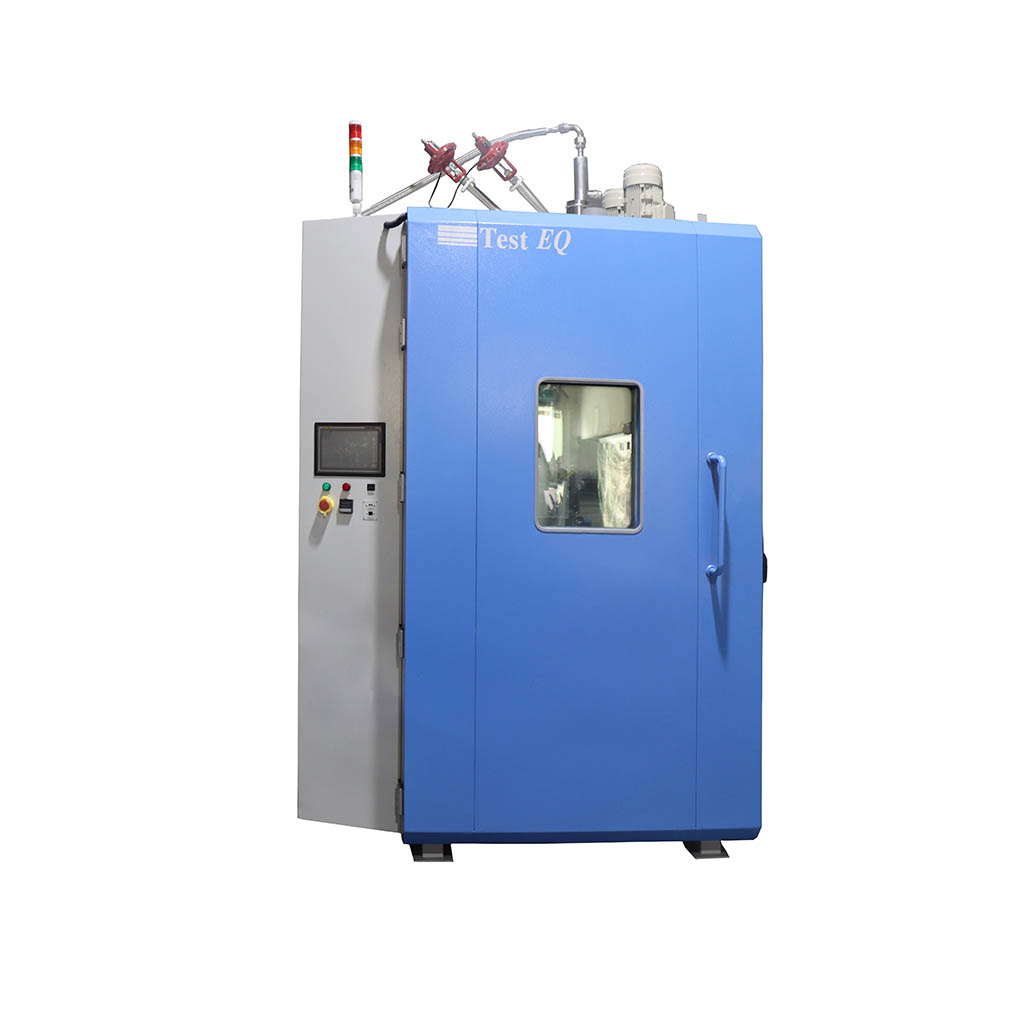
Standard Temperature Humidity Test Chambers
Designed for laboratory and production testing of small to medium-size products.
Typical applications include:
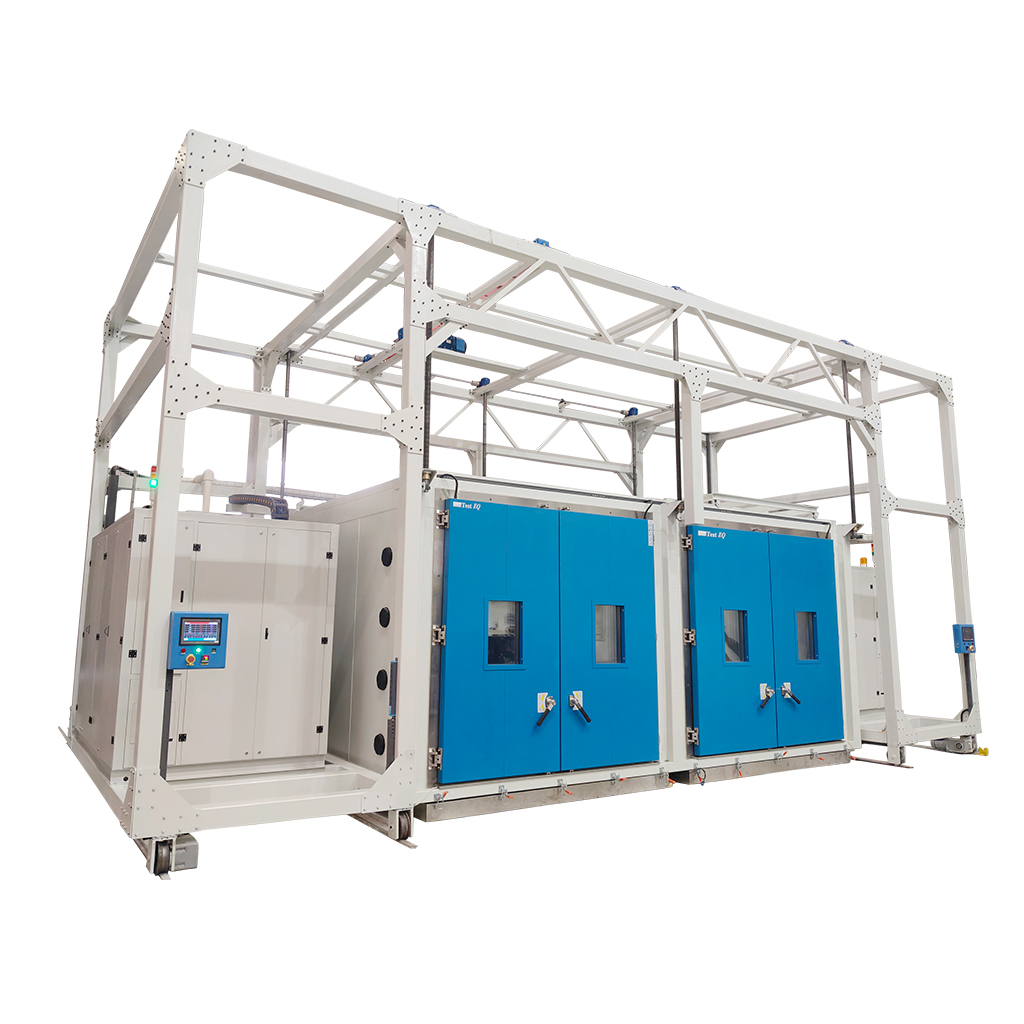
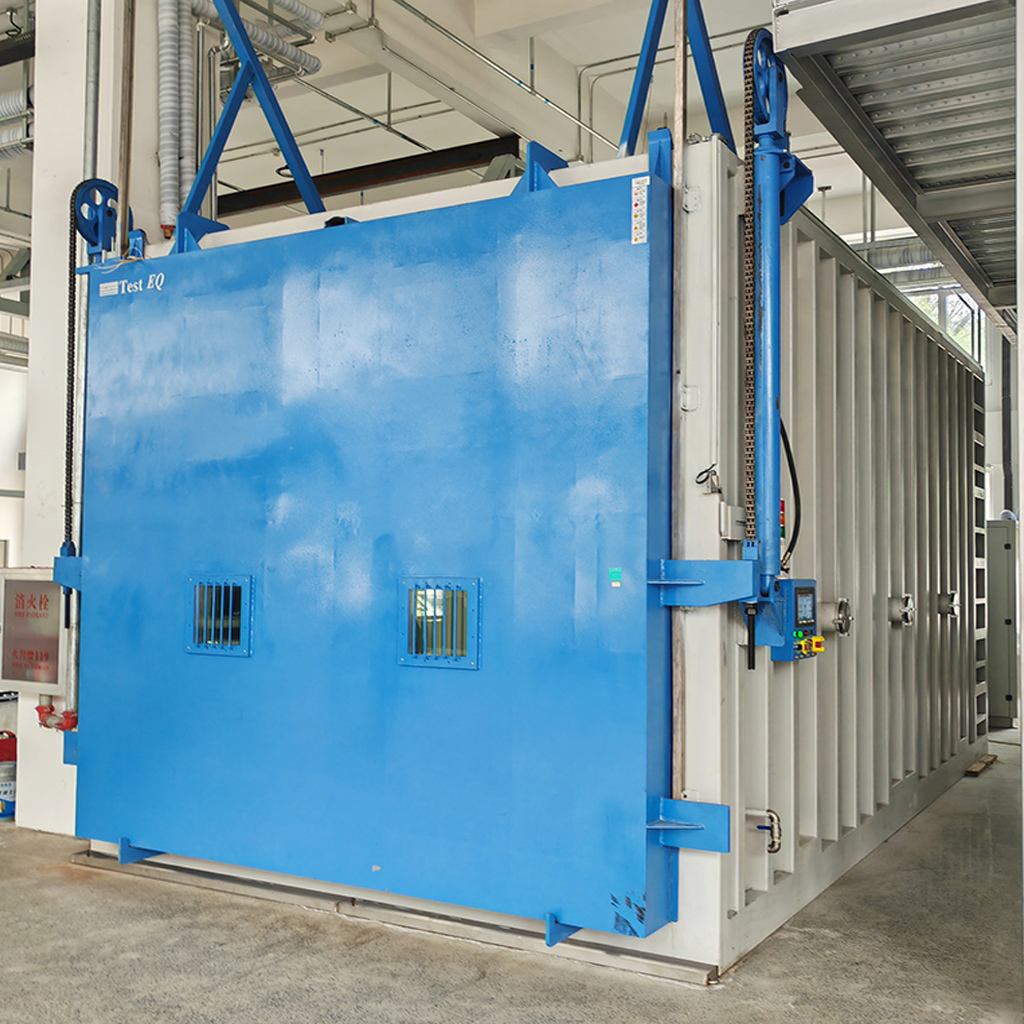
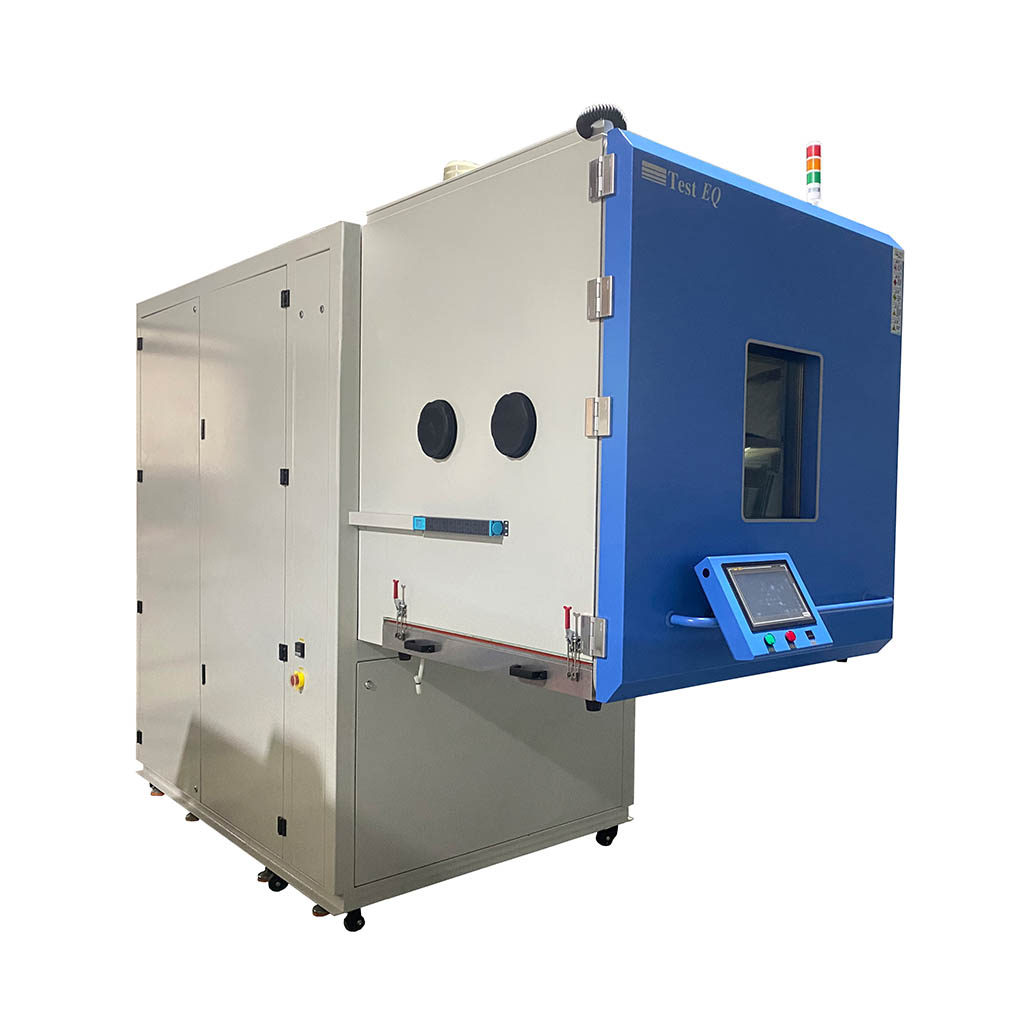
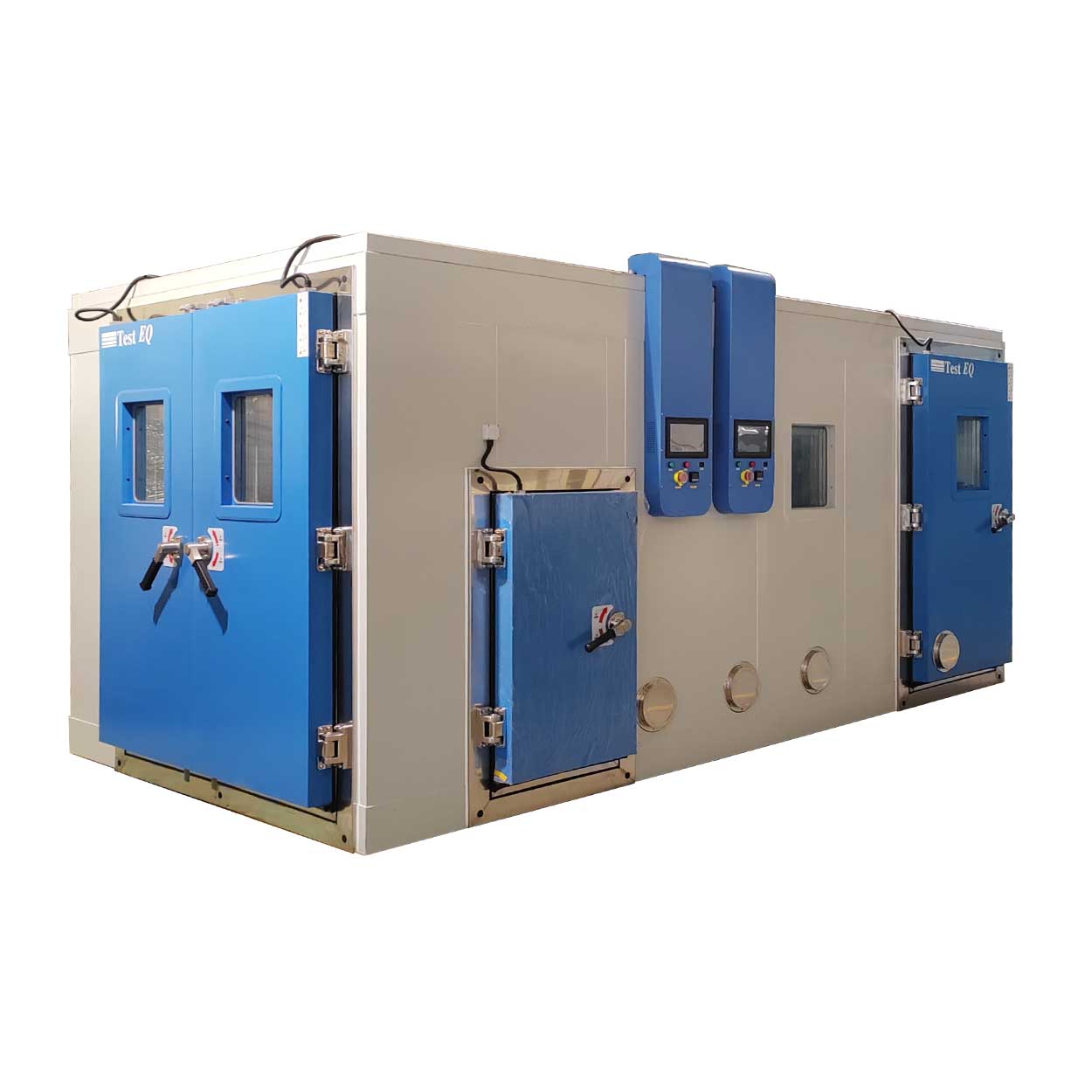
Walk-In Temperature Humidity Chambers:
Large-capacity environmental rooms engineered for oversized DUTs and batch testing.
Our walk-in systems support:
Maximum chamber volume: 4500m³ customized design
Designed for Environmental Simulation Testing
Temperature humidity chambers are widely used for:
Product reliability validation
Accelerated aging tests
Thermal/humidity cycling
Material degradation studies
Packaging and transportation simulation
Stability and shelf-life testing
Why Choose TestEQ Temperature Humidity Chambers
Proven expertise in large-scale environmental simulation systems
Custom walk-in chamber engineering up to 4500m³
Advanced refrigeration and humidity control technology
Uniform airflow design for oversized test spaces
Reliable long-cycle operation for 24/7 testing
Full customization for special DUT dimensions and standards
Standard Chamber vs Walk-In Chamber
| Feature | Standard Chamber | Walk-In Chamber |
|---|
| Test Volume | Small / Medium DUT | Large DUT / Batch Testing |
| Installation | Plug-and-Play | On-Site Assembly |
| Capacity | Up to 1000L | Up to 4500m³ |
| Typical Use | R&D / QC Labs | Automotive / Aerospace / Battery |
Optional Configurations:
LN₂ Boost Cooling
Low Humidity Control (<10% RH)
Rapid Temperature Change Option
Explosion-Proof Battery Testing Design
Multi-Zone Environmental Control
Remote Monitoring / IoT Integration
Meet standard:
IEC 60068 Series - Environmental Testing International Standards
Military walk-in test chambers must comply with the IEC 60068 basic environmental test procedures, where IEC 60068-2-1 (Cold Tests) and IEC 60068-2-2 (Dry Heat Tests) specify military temperature testing ranges from -65°C to +200°C, with typical test durations of 48-96 hours.
MIL-STD-810 - US Military Environmental Engineering Standard
Section 516.7 explicitly requires walk-in test chambers to have rapid temperature change capability (≥10°C/min) and pass 24 thermal shock cycles, with chamber temperature uniformity controlled within ±2°C.
ISO 16750 - Road Vehicle Environmental Conditions Standard
For military vehicle component testing, Chapter 4 specifies that walk-in test chambers should achieve -40°C to +120°C temperature cycling while simultaneously simulating 5000m altitude (54kPa) low-pressure environments.
RTCA DO-160 - Airborne Equipment Environmental Tests
Temperature test chambers to maintain temperature gradients ≤3°C/m³ in the -55°C to +85°C range, while Chapter 24 (Sand/Dust Tests) specifies particle concentration at 10.6g/m³±7g/m³.
DEF STAN 00-35 - UK Defense Standard
Part 3 requires military test chambers to have triple-protection functions (anti-humidity/anti-salt spray/anti-mold), with mold tests lasting 28 days using test strains compliant with IEC 60068-2-10.
NATO AECTP 300 - NATO Environmental Testing
Clause 4.3.4 mandates walk-in test chambers to support -46°C to +71°C thermal shock testing with transition time ≤5 minutes and rate ≥15°C/min.
IEC 60721 - Environmental Parameters Classification
The standard categorizes military environments as Class 3K5 (shipboard), 4K5 (vehicle-mounted), etc., requiring test chambers to simulate combined temperature, humidity and vibration conditions.
ASTM E595 - Material Outgassing Tests
For aerospace materials, chambers must achieve vacuum levels of 5×10⁻⁵ Torr with quadrupole mass spectrometers to detect Total Mass Loss (TML) ≤1.0%.
ISO 9022 - Optical Instrument Environmental Tests
Part 12 specifies sand/dust test chambers must use ≥97% SiO2 content particles with adjustable wind speeds of 1-20m/s for military optical equipment testing.
EN 60068-3-6 - Test Chamber Calibration Methods
This European standard requires annual calibration of military test chambers, with sensor accuracy of ±0.1°C/±1%RH and 6-month calibration report validity.
Internal Linking Module
Recommended Equipment
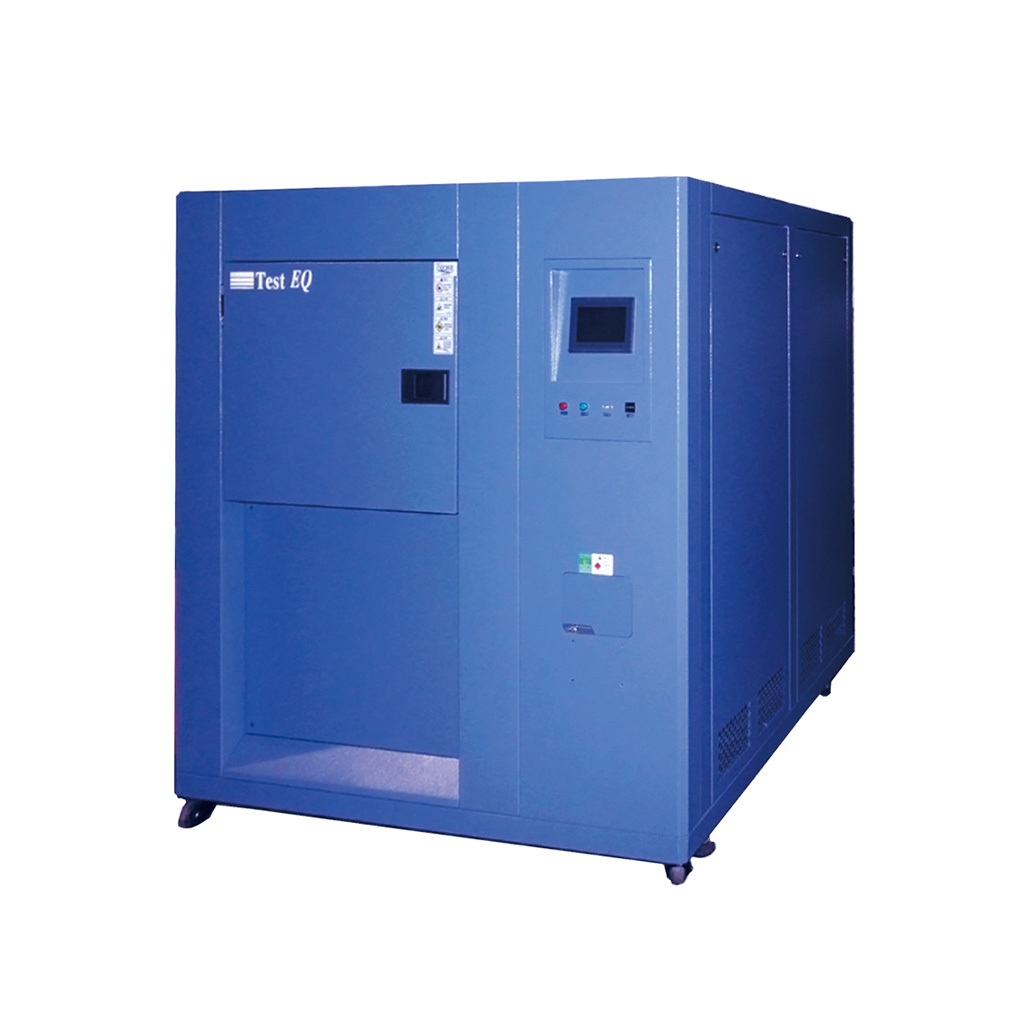
Designed for accelerated reliability testing with rapid temperature transitions, ideal for automotive electronics, semiconductors, batteries, and aerospace components requiring thermal fatigue evaluation.
A 3-in-1 environmental simulation system combining temperature, humidity, and vibration stress testing to evaluate product durability under real-world operating conditions.
Related Standards
International environmental testing standards covering cold, dry heat, humidity, temperature cycling, and combined environmental stress testing for reliability verification. The Temperature Humidity Test Chamber supports major IEC 60068 testing requirements.
Engineered to meet MIL-STD-810H environmental testing requirements, this chamber simulates extreme temperature, humidity, altitude, thermal shock, and other harsh operating conditions. Ideal for defense, aerospace, electronics, and industrial applications requiring rigorous reliability and durability validation under demanding environments.
Technical Resources
Learn how temperature humidity chambers simulate climatic conditions for product qualification, accelerated aging, stability testing, and reliability validation across multiple industries.
Learn how to select the right environmental test chamber based on temperature range, humidity control, test standards, product requirements, and industry applications. This guide helps engineers and laboratory professionals improve testing accuracy, reliability, and compliance while optimizing equipment investment.
FAQ:
What is a temperature humidity test chamber?
A temperature humidity test chamber simulates controlled climatic conditions to evaluate product reliability under varying temperature and humidity environments.
What is the difference between a standard and walk-in temperature humidity chamber?
Standard chambers are for small to medium products, while walk-in chambers are designed for large assemblies, vehicles, battery packs, or batch testing.
How large can a walk-in chamber be?
Custom walk-in chambers can be engineered up to 1600m³ or larger, depending on project requirements.
What industries require walk-in environmental chambers?
Industries include automotive, aerospace, EV battery, telecom, and industrial equipment manufacturing.
What standards are supported?
IEC 60068, MIL-STD-810, ISO environmental testing, JEDEC, and customer-specific protocols